
US Import Prices Rise 0.3 Percent in June as Higher Costs Add Pressure on Inflation

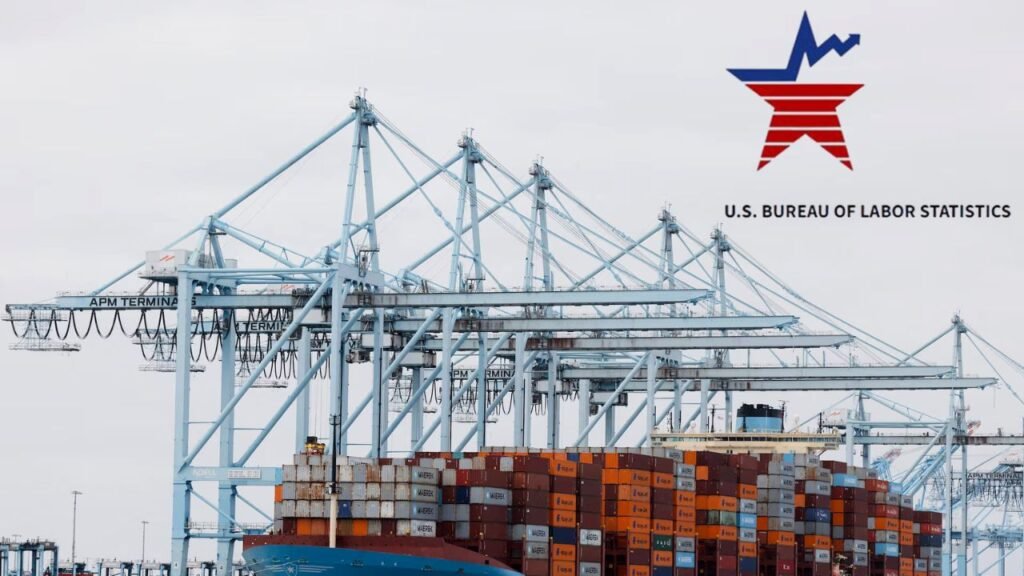
US import prices rise 0.3 percent in June 2026, indicating inflation is still an issue despite cheaper oil. US import prices rose in the month as gains in nonfuel products, capital goods and consumer items more than offset drops in fuel costs, according to new statistics from the US Bureau of Labour Statistics. The jump was a surprise as analysts had been expecting import prices to fall. What’s remarkable about this study is that the price of imports affects prices paid throughout the U.S. economy.

Latest Import Prices Ex Fuel Are Rising
The gain was mostly attributable to nonfuel imports. Prices excluding food and gasoline increased as companies paid more for industrial inputs, technology items and completed goods.
 Moonshot Plans IPO Within Six Months After Its China AI Breakthrough Gains Global Attention
The cost of capital goods went up 0.4 % in June. The gains were also driven by higher prices for computers, semiconductors, industrial gear and scientific equipment as corporations continued to invest in technology and artificial intelligence infrastructure.

Other consumer products increased 0.3 percent throughout the month. Clothing, footwear and household products were the most expensive imports.

Main Economic Highlights Import Prices Growth
Import prices +7.1% y/y Core import prices +0.4% Capital goods imports +0.4% Consumer goods ex-autos +0.3% Imported fuel costs -0.4%.
Demand for technology items is high, which is pushing up capital goods spending. The installation of artificial intelligence systems and upgrading of infrastructure is require numerous technology related imports notably sophisticated equipment in organisations.
The results also imply inflation fears are coming in. While energy prices have been lower recently, we’re seeing other categories contribute more to the increase in overall import spending.
Signs of Inflation: Market and Investor Reaction
For companies that depend significantly on global supply chains, the increasing cost of imports is an uncertainty. Retailers, manufacturers and technology companies that rely on imported components will face increased operating costs.
Markets also will be watching for signs that firms can absorb the pain or pass it on to consumers. If companies respond by boosting prices to protect margins, inflation could last longer.
And also the subject on altering inflation dynamics. The bulk of the prior inflation spikes have come from energy and supply chain shocks. The new figures show rising pressure on manufactured goods and business equipment.
Implication for investors and economies
If firms pass on higher import prices to customers, it could delay the fight against inflation. But lower fuel prices and better supply conditions should ease some of the squeeze on inflation.
Investors are likely to continue to monitor incoming inflation data, especially consumer and producer prices reports, to determine if the higher import bill prices are starting to be passed on to wider prices.
The Fed also watches these data closely to help steer interest rate policy. Falling price pressures could provide an opening for a more flexible policy stance, with inflation so high that there’s limited possibility for big reduction.
Market and Inflation Expectations
The next checkpoint will be upcoming inflation data to see if the higher cost of imports is being passed onto the consumer.
Companies reporting profits and exposed to global supply chains, manufacturing, IT goods and retail will provide additional information.
U.S. Import and Export Price Index for July by Bureau of Labour Statistics on August 18, 2026. Global commodities will drive import prices and investors will be watching closely to see if price growth can be sustained, held or slowed.
Sources
U.S. Census Bureau
International trade data, import trends, movement in products categories, changes in U.S. trade activity.
FRED
Data on inflation, import price changes, producer prices, and general economic health
U.S. Department of Commerce
Trade data, import activity analysis, and impact of global supply chain expenses on business.
BEA
Economic data on consumer spending, business investment, inflation patterns and its impact on gross domestic product (GDP).
U.S. EIA
Impact of energy price changes on import costs, trends in crude oil, and changes in fuel prices.
