
Moonshot Plans IPO Within Six Months After Its China AI Breakthrough Gains Global Attention

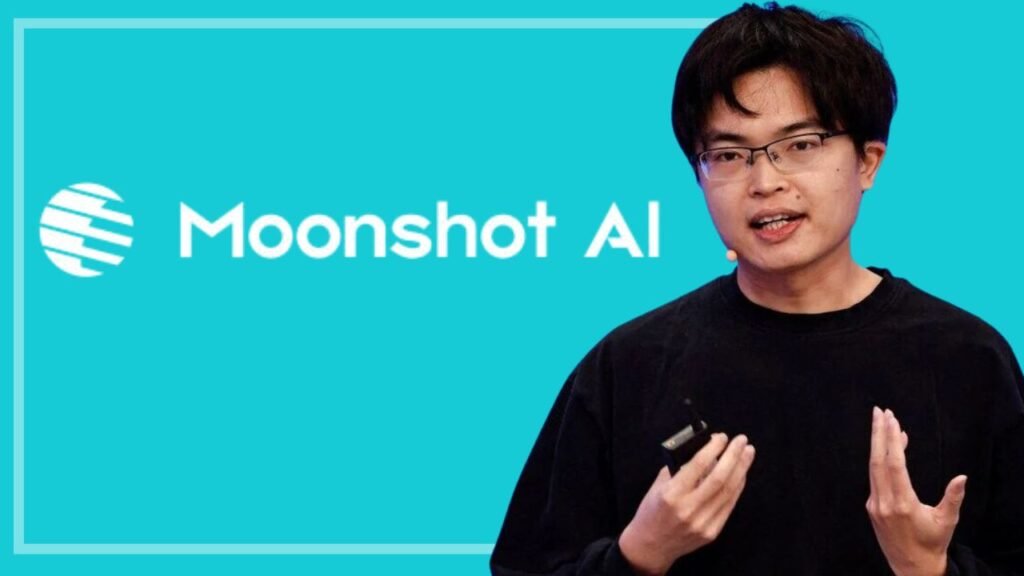
Moonshot plans IPO Catch Investors’ Attention The Chinese company’s latest AI advance has generated global interest and it is preparing for a possible public listing in six months’ time. A big round of financing pegged it at more than $20 billion, and investors are looking to see how it will fight the crowded AI industry.

Moonshot has become a new rival among the world’s AI leaders with the rapid rise of demand for powerful AI models. The company’s Kimi models have helped it build out a solid niche in the expanding AI market in China.
Latest Financial & Moonshot IPO News
Moonshot AI is allegedly close to initial public offering, after the success of its Kimi artificial intelligence (AI) technology sparked interest from investors. The company has been examining its alternatives in the public markets as it looks to navigating changing regulatory environment in China concerning technology listings.

This is a vote of confidence to the recent financial move by the corporation by the investors. Moonshot has raised roughly $2 billion and is valued at around $20 billion. It was supported by heavyweight investors including Meituan’s investment arm, a sign of growing trust in China-based AI startups.
Key financial figures and growth metrics
Moonshot AI, however, does not release quarterly financial reports, stock prices, EPS statistics, or market cap updates like publicly traded firms. But private funding data provides some clue to what investors seek.
Investors poured more money into firms constructing AI infrastructure and software, and the company’s valuation soared in 2026. Bloomberg claimed that Moonshot subscriptions for Kimi and its AI-related services produced more than $200 million in annual recurring income as of April 2026.
Markets and investors have responded
Investors are watching China’s artificial intelligence business as Moonshot rapidly expands its AI models. The launch of Kimi K3 has ignited a global conversation, with analysts claiming that it demonstrates that Chinese AI statups are closing the gap with the discoveries of giant multinational companies.
It’s not simply the stock market that is responding this way. AI competition is a significant worry ahead for tech investors too. Chinese AI models are changing the outlook for semiconductor companies and global technology stocks, with investors increasingly focused on the competition to come.
What does this mean for investors?
An IPO for Moonshot AI would offer investors direct access to one of the fastest growing AI companies in China. This is linked to growing demand for AI services, enterprise automation and large language models.
But investors will also need to weigh the risks. The AI companies have expensive research, stiff competition, regulations to follow and the possibility of not making it. Public investors certainly will want to see further revenue growth and market acceptance before they decide on its pricing.
Moonshot AI: Future Outlook
It is planning an initial public offering, regulatory approvals and further development of its artificial intelligence (AI) capabilities. Investors will want to see Moonshot grow its user base and translate its technological superiority into a steady stream of financial wins.
The company’s competitive position against global AI companies would also be factored into market expectations ahead of any listing attempt.
Sources
Reuters
Kimi K3 model launch 2.8 trillion-parameter AI system Competing with U.S. AI businesses Impact on global AI industry and Moonshot’s expansion strategy
CNBC
Kimi AI breakthrough vs OpenAI and Anthropic models, investor fears about China’s expanding AI capabilities and tech competition.
Financial Times
China AI startup funding landscape investor desire for big language model businesses private market valuations and AI infrastructure investment trends
The Economic Times
Moonshot AI raises $2 billion, valued at over $20 billion, Meituan-led investment, trust in Chinese AI firms
Nikkei Asia
China’s AI startup ecosystem, regulatory climate, IPO potential and competitiveness among local AI startups.
