
Louisiana Extreme Heat Warning Continues as Heat Index Reaches Up to 115 Today

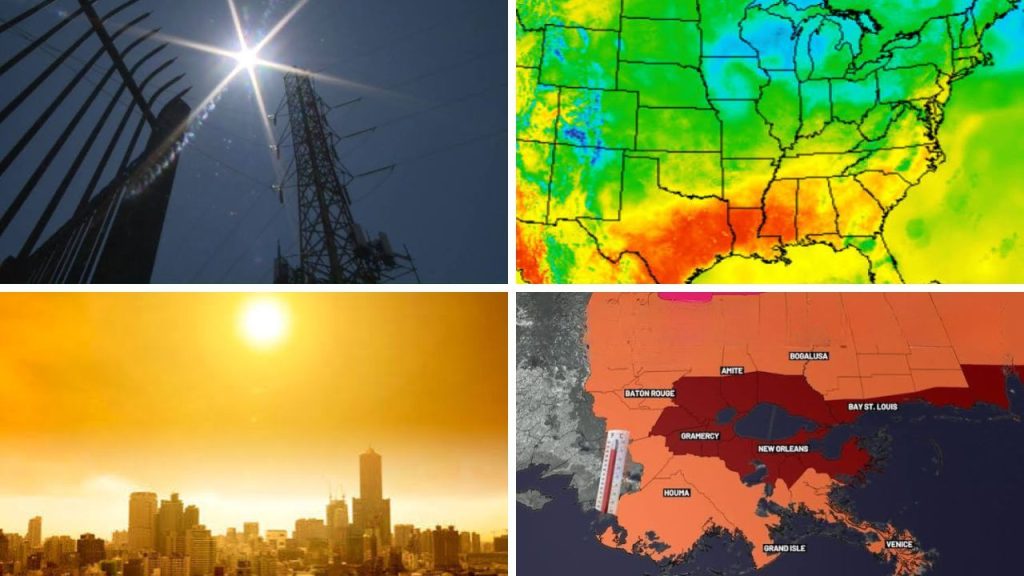
Louisiana faces another day of severe weather as the Extreme Heat Warning persists and heat index values might reach as high as 115°F. The hotter the temperature and the higher the humidity, the hotter it will feel than the actual temperature of the air. Residents, outdoor workers, older persons, children and anyone without reliable air conditioning should take extra measures throughout the day.
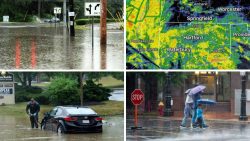
Louisiana Hot Index
Dangerous heat index levels are forecast in Louisiana today, increasing the risk for heat exhaustion and heat stroke. “Prolonged outdoor exertion with a heat index near 115 degrees can make it difficult for the human body to cool itself. Even healthy people can become ill if they are exposed to these conditions for too long.
During the hottest hours, usually from late morning to early evening, people should cut down on hard outdoor activities. For those working outdoors, take frequent pauses in shaded or air conditioned areas, drink water regularly and work with a partner so that warning symptoms may be spotted promptly.
Why the Heat Looks More Menacing
Humidity is the biggest thing that makes it seem hot outside. When there is already a lot of moisture in the air, sweat cannot evaporate efficiently. This makes it impossible for the body to cool itself naturally and can result in an increased body temperature.
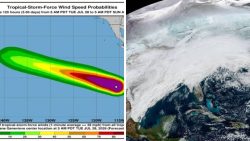 Extreme Weather Across North America Brings Alaska Snow Wisconsin Tornado and Hurricane Genevieve
National Weather Service heat index guidance considers levels in the 103 to 124 degree range to be hazardous. Prolonged exposure increases the risk for heat cramps, heat exhaustion and possibly heat stroke. Sunlight can also contribute to the feeling of heat.
Signs of Heat-Related Illness
Heavy perspiration, weakness, dizziness, headache, nausea, muscle cramps and chilly or clammy skin are symptoms of heat exhaustion. A person suffering these symptoms should be moved to a cooler location, have all unneeded clothing loosened, and be given water to sip and cold, moist cloths to apply.
Heatstroke is a medical emergency. Warning indicators include confusion, fainting, seizures, heated skin or a very high body temperature. Call emergency assistance immediately. While waiting for medical aid, the injured person should be cooled with moist towels, cool water or ice packs.
Safety Steps for Individuals in Louisiana
Residents should drink water frequently, not only when they feel thirsty. Alcohol and drinks that have high quantities of caffeine can lead to dehydration. Loose, light-coloured, lightweight clothing may help the body release heat more efficiently.
Homes could become uninhabitable without proper air conditioning. People can visit a cooling centre, public library, shopping centre or other air-conditioned public area. Electric fans can be a comfort, but they may not do enough to protect you in excessive heat.
Don’t leave children or dogs alone in parked automobiles, not even for a few minutes. Vehicle temperatures can rise rapidly and be deadly. Be sure pets always have plenty of fresh water and shade. Limit outdoor activity during the hottest part of the day.
Dangerous Conditions Possible After Dark
Afternoon should feel the hottest but the uncomfortable temperatures could extend beyond sunset. “Warm night temperatures can interfere with the body’s ability to recover, especially for people with existing medical conditions.
Residents should check for changes to alert times, impacted places and availability of cooling centres on updates from the National Weather Service and local emergency officials. Checking up on neighbours, family and anybody who may need help can also help prevent heat-related emergencies.
Sources
- Weather.gov: The National Weather Service considers heat index values of 103 to 124 degrees Fahrenheit to be hazardous with a risk of heat exhaustion and perhaps heat stroke.
- CDC.gov: Confusion, fainting, seizures and very high body temperature are listed as possible warning signs of life-threatening heat stroke .
- OSHA.gov: OSHA says that outdoor workers in hot weather need to have drink, rest, and shade to protect themselves.
- Ready.gov: advises households who don’t have air conditioning to use public cooling centres when there is extreme heat.
- EPA.gov : Buildings, roads and other surfaces in metropolitan areas can absorb heat and make developed districts warmer than surrounding areas, according to the EPA.
