
Japan Earthquake Death Toll Rises to 34 as Rescue Teams Continue Search Efforts

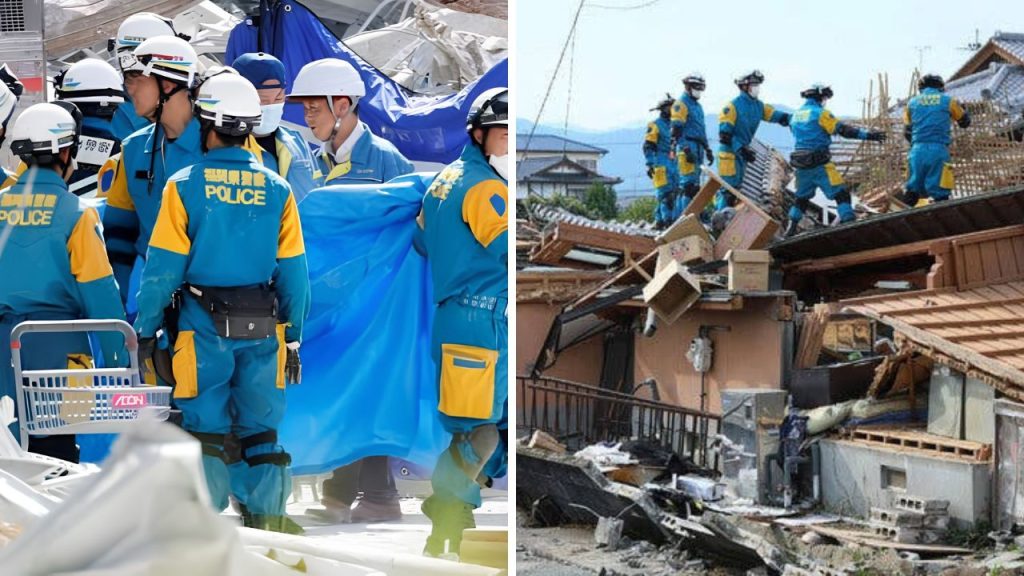
The death toll from the Japan earthquake has risen to 34 as rescue personnel continue to comb devastated areas for anyone still trapped or missing. Rescue personnel are working in difficult conditions to inspect collapsed buildings, blocked highways and unsafe structures. As officials coordinate rescue attempts, medical aid and interim lodging for those displaced from their houses, families are anxious to hear word of loved ones.
Japan speeds rescue operations
But in Japan, the priority for rescue efforts is still to search for survivors as soon as possible. Firefighters, police, medical services and disaster response teams are on the ground in the affected communities. Search teams are using high-tech gear to get inside damaged structures and look in hard-to-reach places. The process is slow since earthquakes and damaged structures can pose additional hazards for survivors and first responders.
Bad roads make it hard to respond to emergencies
Roads are blocked, transit lines are disrupted, and rescue crews, food, drinking water and medical supplies are unable to get through. Debris is blocking access to residential areas and towns outside of major urban centres in various locations. Authorities also need to assess public buildings, bridges and tunnels before they can be utilised again.
Transport breakdown could delay emergency aid especially in isolated areas. Local residents and community organisations can also be crucial in getting information out, guiding responders, and aiding elderly people and children and others who need particular support.

Missing persons Families wait for word of missing persons
The higher death toll has fueled worry among those still waiting to hear about missing relatives. Local towns, hospitals, shelters and rescue teams are expected to provide information to emergency services. If communications networks and transit services are eliminated, it may take some time to identify and verify the condition of missing persons.
Temporary support centres can provide displaced residents with food, clean water, clothing, medicines, sanitary facilities and charging connections for mobile devices. “Priority must be given to inclusive emergency support, particularly for persons with disabilities, the elderly, pregnant people and families with young children.
Areas on edge from aftershocks
After a severe earthquake, aftershocks are a huge fear. Smaller shocks could add to damage to buildings already compromised by the first earthquake. Stay clear from unstable structures and follow the recommendations of local emergency officials.
Schools, community halls and other public buildings may be used as temporary shelters while safety checks are carried out. Engineers will need to assess homes, roadways, hospitals, electricity infrastructure, water supplies and communications networks before normal activity can resume safely.
The recovery effort might take months.
The priority today is to find survivors, but the recovery will carry on long after the search is over. Damaged homes will need to be evaluated, repaired or rebuilt. Utility services will have to be restored. Displaced households may need financial, medical and emotional care.
Japan is well-prepared for earthquakes with advanced warning systems, evacuation plans and strict construction rules. But a big quake can still be a huge drain on towns and emergency services. The human toll of 34 people killed emphasises the toll of the catastrophe and the continuing rescue effort underscores the need to save anyone who might be still alive.
Sources
- Japan Meteorological Agency: Official source for earthquake magnitude, location, seismic intensity, tsunami information, aftershock alerts
- NHK World-Japan: Local coverage of rescue operations, evacuations, transport disruption, shelters and affected villages.
- Reuters: Confirmed casualty figures . Government pronouncements . Rescue developments . Worldwide response .
- Kyodo News Japan: casualties, missing, emergency measures, damage in areas, recovery activities
