
Hurricane Genevieve Becomes the First Category 5 Storm of the 2026 Pacific Season

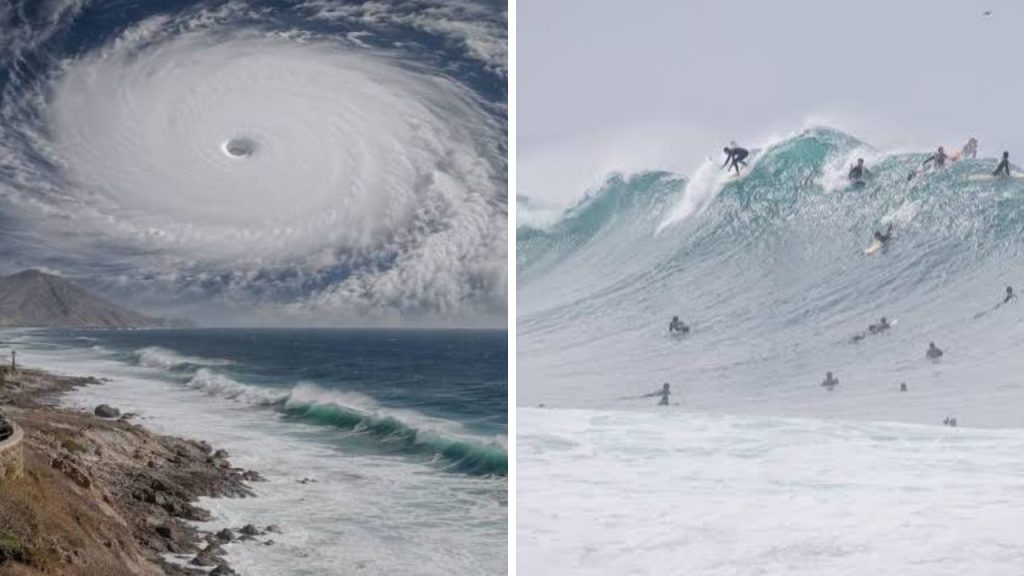
Already, Hurricane Genevieve has become the first Category 5 storm of the 2026 Pacific hurricane season, a sign of increased tropical activity across the basin. If it hits the highest category on the Saffir-Simpson Hurricane Wind Scale, even if peak winds continue out over open oceans, the system becomes substantially more lethal. A Category 5 storm can cause catastrophic devastation, and anyone in locations that could be impacted should always stay tuned to official forecasts as the storm progresses.
Hurricane Genevieve Becomes Category 5
Hurricane Genevieve is a Category 5 storm with 157 mph winds That sentence is about wind speed, not the whole range of dangerous things. Communities far from the eye of the storm could also be threatened by storm surge, heavy rain, strong surf, flash flooding and coastal erosion.
Forecast conditions might change quite fast. Social media posts and old maps won’t cut it. Current info from official weather groups is needed by residents, travellers, fisherman, business owners and emergency response teams.
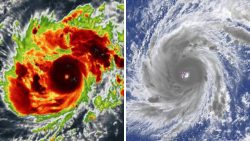
Big milestone for 2026 Pacific Season
Genevieve is the first Category 5 storm of the 2026 Pacific season, a notable milestone for meteorologists. But that doesn’t mean the whole season will be particularly difficult to endure. But it points to an atmosphere and ocean that are suitable for the development of a tropical cyclone of remarkable intensity.

Rapid intensification happens when a cyclone passes over very warm ocean water with little wind shear and a well organised inner core. Those conditions can intensify thunderstorms around the eye and assist the storm convert heat from the water into severe winds.
Category Less Important Than Storm Track
The category of a hurricane is the most talked about, but the harm that it will bring to towns is primarily determined by its predicted route, size, speed and potential for rainfall.
A small Category 5 storm travelling away from land may have less direct impact than a weaker, but much stronger hurricane approaching towards a populous coastal location. That’s why people have to be looking at official forecast cones, rainfall maps, storm surge advisories and local announcements all at the same time.
The cone of forecast shows where the centre of the hurricane could go. It doesn’t cover the whole area that could suffer damaging weather. Strong winds, strong waves and deadly rip currents might be well outside the expected path.
Coastal Communities Brace Don’t Panic
People in locations that could be affected should verify evacuation routes, charge cell phones, secure outside objects and stockpile supplies. Households should also make arrangements for children, the elderly, the disabled, pets.
Warnings need to be easy to understand and easy to find so people have enough time to make safe decisions. Travellers should contact airlines, ports, hotels and local authorities before changing their plans.
High winds and heavy seas can be deadly hundreds of miles from the cyclone’s eye and marine operators are urged to heed official warnings.
Now what do we do?
Hurricane Genevieve could strengthen or weaken or change direction when it encounters new circumstances in the air and water. It also can be weakened by cooler water, dry air, stronger winds aloft or changes in the eyewall.
But that weakening doesn’t mean the danger is gone. Even if it weakens below Category 5 status, the cyclone is expected to continue to produce heavy rain, rough seas, coastal flooding and severe wind gusts.
Genevieve’s development is a reminder that storm classification is only one aspect of the whole risk picture. The finest tools we have to keep people, homes, and property safe are timely forecasts, local emergency notifications, and early planning.
Sources
- National storm Centre: a Category 5 storm on the Saffir-Simpson scale has sustained winds of at least 157 mph.
- NOAA Ocean Service: Storm surge causes dangerous flooding along the coast and can penetrate well inland of where the strongest winds are blowing. The warmth of the ocean can provide the heat and moisture needed to help tropical storms strengthen.
- Ready.gov: Households in locations that could be hit by storms should have emergency supplies, evacuation plans and communication strategies in place.
