
Nearly 150000 California Mail Ballots Were Rejected Despite New Efforts to Count Every Vote

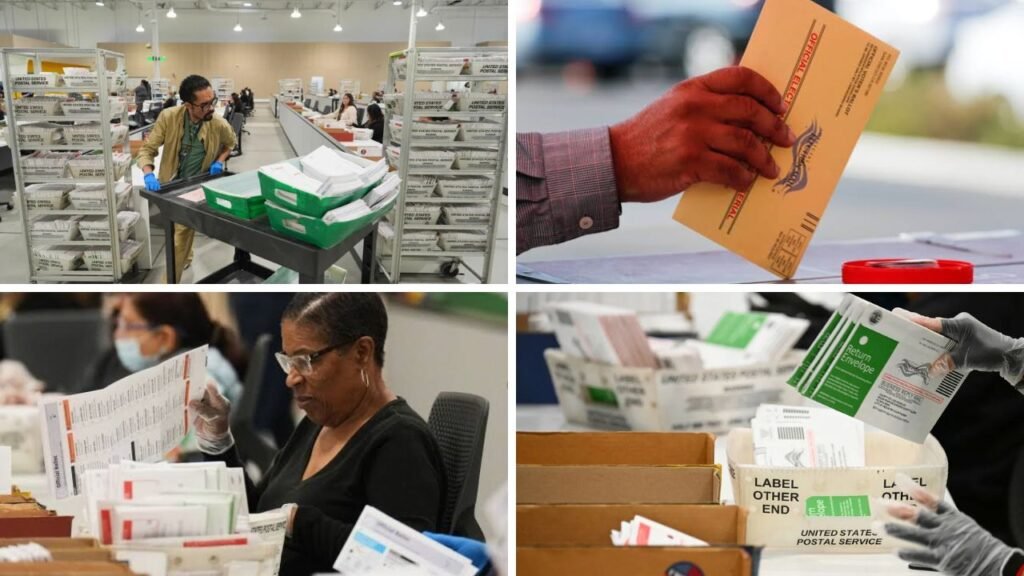
California’s June 2, 2026, primary exposed a major challenge for a state that has repeatedly expanded vote-by-mail access. Election officials accepted more than 8.4 million mailed ballots, yet 148,241 were rejected. That was a sharp increase from the 108,982 rejected in the 2024 primary. The results have renewed questions about mailing deadlines, postmark practices, voter instructions, and whether every eligible voter has a fair chance to correct an error.
 Trump Administration Imposes New 10 Percent Tariffs on More Than 80 Countries in Major Trade Move
California Mail Ballot Rejection Rate Climbs
The California mail ballot rejection rate reached 1.73% in the June primary, compared with 1.56% in 2024. Although 98.27% of returned mail ballots were accepted, the rejected total represents nearly 150,000 voters whose selections were not included. The largest losses occurred because ballots were considered late, while signature problems created another substantial group of rejected votes.
 Trump SAVE Act Push Meets Quiet Response From Republican Lawmakers Over New Election Claims
Late-Arriving Ballots Drove the Rejections
State figures show that 93,479 ballots were rejected because they were not received on time under California’s rules. A mailed ballot must be postmarked by Election Day and reach the county elections office within seven days. California officials had advised voters to return ballots early, but many people waited until the final days of a competitive and unsettled governor’s race.
 SpaceX Starship Flight 13 Launch Set for Today as Biggest Rocket Faces Crucial Test Mission
The timing problem is especially important because a ballot may enter the mail before the deadline but receive a later postmark. That can leave election officials unable to count it under the state’s legal standard. Tulare County recorded the highest rejection rate at 3.52%, while Alpine and Merced counties each reported 3.36%.

Lawmakers Concerned About USPS Postmark Changes
The U.S. Postal Service has clarified that a postmark does not always show the first day it possessed a piece of mail. Transportation and processing changes can mean that some items reach an originating processing center after the day they were collected or dropped off. As a result, the printed postmark date may not match the date a voter actually mailed the envelope.
Voters who mail a ballot close to Election Day can request a free manual postmark at a postal retail counter. California also recommends mailing ballots several days early or returning them through an official drop box, vote center, polling place, or county elections office. Clear multilingual instructions and accessible reminders could be especially valuable for first-time voters, older adults, people with disabilities, and voters who face transportation or language barriers.
Mismatched Signatures and Multiple Ballots in an Envelope
Signature issues formed the second-largest category. Official data shows that 43,977 ballots had signatures that did not match county records, while 8,313 envelopes had no voter signature. Another 743 mail ballots were voided because the voter had already cast a ballot. Smaller numbers involved missing ballots, multiple ballots in one envelope, or identification problems.
California allows voters to correct, or “cure,” missing and mismatched signatures before results are certified. However, voting advocates say the process needs consistent rules, stronger public education, reliable technology, and adequate county funding. The rejection figures do not show widespread mail-voting fraud. Brookings researchers estimated about four fraud cases for every 10 million mail votes across the elections they studied. The central issue is administrative: helping eligible voters meet deadlines, sign correctly, track their ballots, and fix mistakes in time.
Sources
- AP News — Reported that 148,241 mail ballots were rejected and that late ballots accounted for 93,479 rejections.
- California Secretary of State — Official data recorded a 1.73% rejection rate, 43,977 signature mismatches, and 8,313 unsigned envelopes.
- U.S. Postal Service — Explained that a postmark may not match the original mailing date and that voters can request a free manual postmark.
- California Voter Foundation — Identified ballot tracking, signature curing, voter education, and consistent county procedures as important rejection-reduction measures.
- Brookings Institution — Estimated that mail-voting fraud represented approximately four cases for every 10 million mail votes studied.
