
Trump Administration Imposes New 10 Percent Tariffs on More Than 80 Countries in Major Trade Move

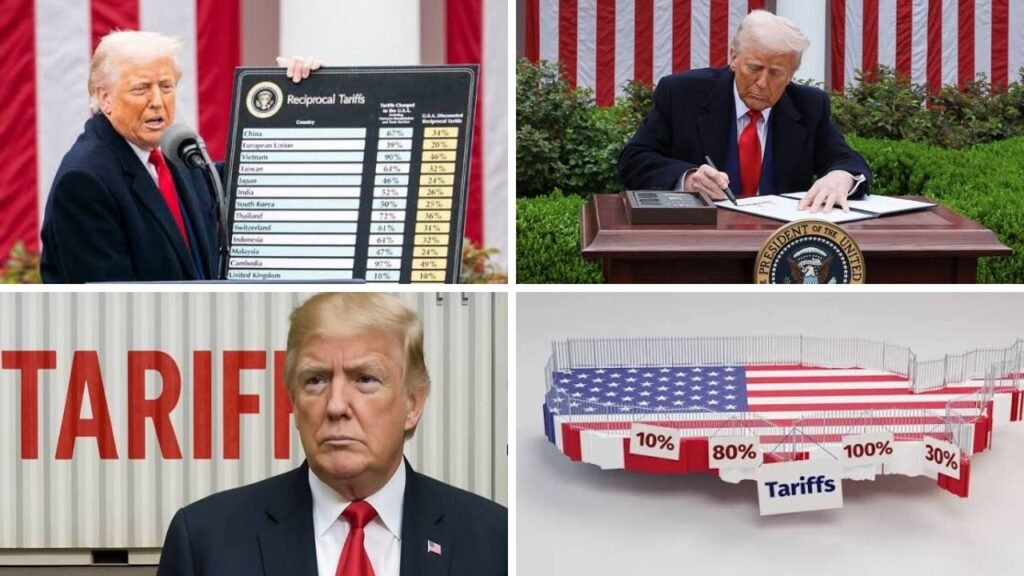
The Trump administration announced another sweeping trade action, slapping new import taxes on products from a broad array of U.S. trading partners. The action keeps a wide tariff system in place when a temporary global tax expires It also links trade penalties to bans on goods produced by forced labour, giving the policy both an economic and human rights rationale.
 Nearly 150000 California Mail Ballots Were Rejected Despite New Efforts to Count Every Vote
Trump Imposes 10 Percent Tariffs on Major Trading Partners
The Trump 10 percent tariffs will apply to economies that have a forced-labor import ban, that have made pledges through a U.S. trade deal, or that have partial limits on such goods. Other economies under investigation will be taxed at 12.5 percent. The Office of the U.S. Trade Representative identifies 60 economies on the official list, but the European Union is considered one economy for the 27 member countries. If you count those countries separately, the action is in more than 80 countries.
 Trump SAVE Act Push Meets Quiet Response From Republican Lawmakers Over New Election Claims
Countries Affected Are Which
The lower rate of 10 percent applies to imports from India, Canada, Mexico, the United Kingdom, Argentina, Bangladesh, Indonesia, Malaysia, Pakistan, Sri Lanka and various Central American countries. Rates are calculated with current most-favored-nation duties for the EU and several other economies. China, Australia, Brazil and many more allies are in the top 12.5 percent bracket.
 SpaceX Starship Flight 13 Launch Set for Today as Biggest Rocket Faces Crucial Test Mission
How Much Will They Have to Pay?
Tariffs cover almost all U.S. imports by value, but crucial exceptions limit their impact. They exclude oil, natural gas, fertiliser, some food products, and products already subject to some national-security taxes. Products that meet the conditions of the United States-Mexico-Canada Agreement are likewise exempt from the increased charges. The ultimate sum may differ per product and trading partner. For the European Union and Taiwan, the extra levy might be added on top of existing tariffs to reach 10%. A comparable strategy may yield a blended rate of 12.5 percent in Japan, South Korea and Switzerland.

Why the Administration Relied on Section 301
The administration imposed the duties under Section 301 of the Trade Act of 1974. The statute authorises the United States to take action against foreign practices that are considered irrational, discriminatory or damaging to U.S. business. The USTR said the decision followed investigations, government consultations, public hearings and more than 2,100 public comments. The legal route is important because the Supreme Court has already struck down an earlier tariff programme imposed under emergency powers. A temporary, 10 percent global tariff was then added for 150 days. The new Section 301 charges are taking effect as that legislation expires, letting the administration preserve a large tariff floor through a separate legal mechanism.
What Tariffs Mean for Americans
Tariffs are collected from U.S. corporations that import foreign items, rather than from foreign governments directly. Businesses may take the hit, bargain with suppliers for lower costs, alter sourcing plans or pass the higher cost on to customers. The impact will vary, as energy sources, fertiliser and a number of food categories will be exempt. Advocates say the idea encourages fair competition and forces governments to ban goods tied to unfair labour practices. Its broad reach could boost costs, upend supply chains and complicate relations with allies, critics argue. Australia, Brazil, Norway and other partners have challenged the administration’s reasoning and are seeking relief.
Sources
- USTR: The final action imposes Section 301 tariffs on 60 investigated economies following hearings, consultations, and more than 2,100 public comments.
- Reuters:The tariffs range from 10 to 12.5 percent, cover 99.4 percent of U.S. imports, and exclude products including oil, gas, fertilizer, and selected foods.
- AP News: U.S. importers pay tariffs and may transfer some costs to consumers, while qualifying USMCA products remain exempt.
- The Guardian: Counting the European Union’s 27 members separately brings the number of affected countries to more than 80.
- The Wall Street Journal: The administration designed the new tariff structure under Section 301 to be more resistant to legal challenges than its previous approach.
