
California Heat Dome and Hurricane Genevieve Expected to Bring Dangerous Weekend Weather

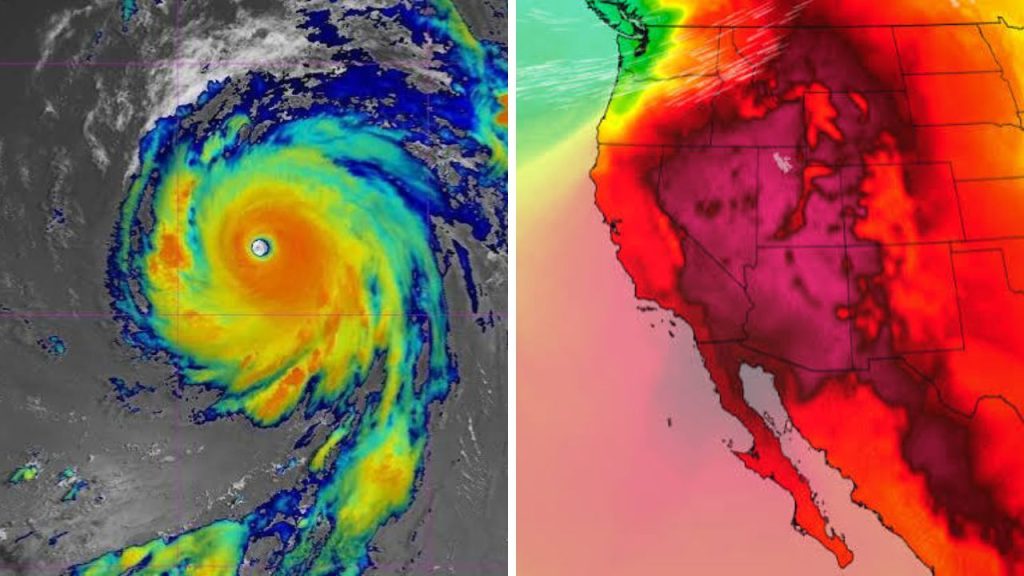
California braces for deadly weekend as severe heat dome collides with tropical precipitation from Hurricane Genevieve. It could bring scorching daytime temperatures, unseasonably warm nights, increasing humidity and a higher likelihood of thunderstorms to sections of the state. The biggest challenge is the added strain on public health, electricity infrastructure, transport and emergency services from many meteorological threats occurring close together.
California heat dome sparks health worries
The California heat dome is predicted to trap hot air over the region and prevent nocturnal cooling. This trend can make prolonged heat extremely deadly as the human body has less time to cool down after nightfall. The worst conditions could occur in inland valleys, desert villages and heavily built-up urban regions. If the cooling sea air lessens, coastal locations could potentially become warmer than usual.
Extreme heat can impact anyone. But outdoor workers, youngsters, pregnant individuals, older persons, those with impairments and residents without adequate air conditioning may be at increased danger. Profuse perspiration, dizziness, weakness, nausea and headaches are the initial symptoms of heat exhaustion. Heat stroke. Confusion, fainting, or very high body temperature. Call 911 or get emergency medical help.
More cooling for households and businesses also could raise electricity demand. Residents can also assist ease the load on the grid by closing curtains throughout the afternoon where possible and not using major appliances during peak times. Energy-saving methods should never substitute needed cooling for medically sensitive patients.

Hurricane Genevieve might bring tropical moisture north
Hurricane Genevieve doesn’t need to hit the California coast to impact the state’s weather. Moisture from a Pacific hurricane can be carried northward, adding to humidity and aiding in showers or thunderstorms across mountains, deserts and inland cities.
This might be a tricky mix. High humidity makes the hot temperatures feel more oppressive and inhibits the body’s ability to cool by sweating. While thunderstorms may provide a momentary break from the heat, they can also bring lightning, brief heavy downpours, powerful wind gusts and localised flash flooding.
In areas with dry vegetation, lightning could be a particular problem. Rain may be falling in certain areas while other areas are dry and prone to lightning caused wildfire starts. Drivers along desert highways, mountain roads or low-lying crossings should be prepared for rapidly changing situations.
Safety Precautions for Residents and Visitors Over the Weekend
Residents should perform outside activities before the warmest part of the day. To decrease your exposure to heat, drink plenty of water, wear light-weighted clothing and do heavy work in the morning or evening. Never leave children, older folks or pets alone in a parked vehicle, even for a minute.
People should also check on neighbours, relatives and acquaintances who are alone or have restricted access to cooling. Libraries, community centres and designated cooling centres might have safer indoor places. Pet owners should check the temperature of the pavement before walks and have clean drinking water accessible.
Keep weather alerts activated on your mobile devices. Because circumstances can vary greatly across California, local National Weather Service offices and county emergency agencies can issue alerts tailored to your location.
Risks of fire and flooding can overlap
Extreme heat may be a greater hazard than California’s weekend threat. Dry environments can encourage wildfire growth . Tropical moisture can create short bursts of heavy rain . One community can have fire weather while another suffers from flooding, lightning or severe winds.
Residents should avoid anything that can cause sparks, remain off flooded roadways and keep emergency supplies on hand. It might all come into play during a weekend requiring careful planning, with heat, fire, thunderstorms and flooding.
Sources
- National Weather Service – weather.gov: Official heat warnings, thunderstorm watches, extreme heat outlooks and local safety information.
- National Hurricane Centre – hurricanes.gov: Tracks eastern Pacific hurricanes, forecasts storm location and intensity, and possible risks.
- California Governor’s Office of Emergency Services – caloes.ca.gov Provides assistance for high heat, wildfires, evacuations and emergency preparedness particular to California.
- Centres for Disease Control and Prevention – cdc.gov: Details the symptoms of heat exhaustion and heat stroke and highlights populations that are at greater risk.
- Ready.gov – ready.gov: Suggests turning on emergency alarms, getting ready with supplies, drinking plenty of water and finding safe places to cool down.
