
Steam Machine Returns? Valve Reveals Premium Pricing That Surprises Gamers

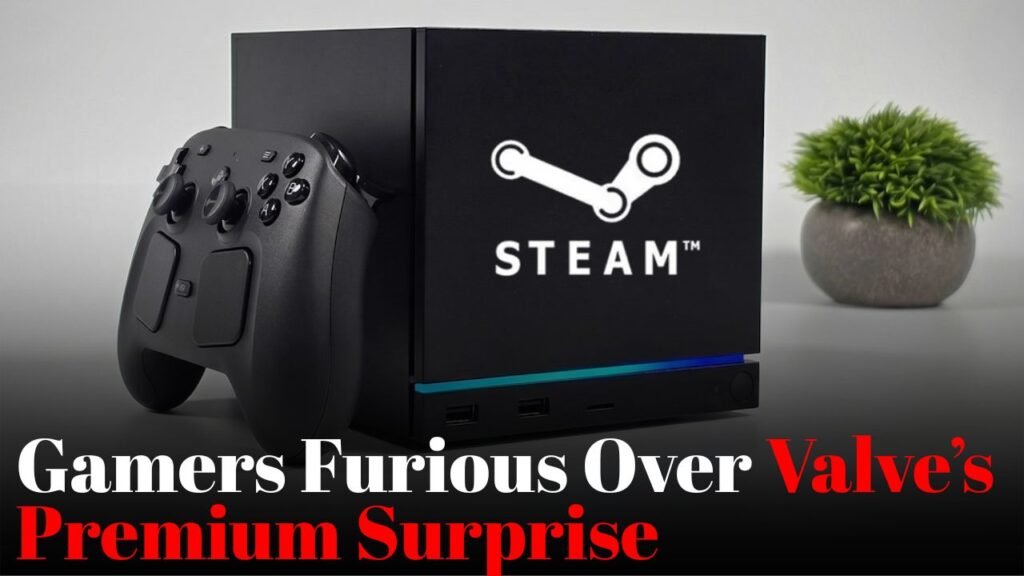
Valve Reveals Premium Pricing : Valve has brought the Steam Machine back into the limelight, but it’s not returning as the budget friendly shock many gamers were hoping for. The new, SteamOS-based gaming machine is being marketed as a living-room PC, not a typical console, and that makes all the difference. There’s been chatter for years and now Valve has actually released pricing that firmly puts the gadget in the premium space. The announcement has been met with a mixture of excitement, uncertainty and disappointment among gamers hoping for a console-style alternative to PlayStation and Xbox.

Cost of Steam Machine
The major discussion topic is the pricing of the Steam Machine. Valve’s new system starts at $1,049 for the 512GB variant and the 2TB version is $1,349. Valve doesn’t bundle the Steam Controller as standard, so purchasers wanting the full living-room gaming experience from Valve will have to shell out even more for the full setup. Bundle pricing eases this somewhat, although the machine is still priced significantly higher than most mainstream consoles. That is why the disclosure has come as such a surprise to many gamers who viewed the Steam Machine as a potential console competitor.

Valve Discusses Not Subsidising the Steam Machine
The high price is due to Valve’s choice not to subsidise the hardware. Console makers often sell their systems at a low profit or even at a loss, hoping to recoup their money later through sales of games, subscriptions and platform fees. Valve is going a different route.

The business has been clear that it views the Steam Machine as a piece of the greater PC gaming market. That means it’s more in line with a tiny gaming PC than a console. Valve’s point is simple: hardware subsidies generally lead to closed ecosystems. The business would like to keep the Steam Machine open, flexible and more in the spirit of PC gaming. That mindset may appeal to dyed-in-the-wool PC gamers, but it doesn’t make the gadget any easier to sell to casual gamers. A buyer putting it next to a PlayStation 5 or Xbox Series X will notice the price difference straight away.

RAM Drives Costs Crisis Up
Valve has also cited increased component costs as a big role in the final price. Memory and storage prices have become more difficult to control and the business has hinted that the market moved more quickly than anticipated throughout development. This so-called “RAMpocalypse” is not simply Valve’s problem. Driven by demand from AI businesses and broader supply concerns, memory parts have become more expensive and difficult to secure. For a small gaming device that is dependent on current RAM and storage, those price hikes are significant.
A Premium PC, Not a Console Replacement
Much of the value of the Steam Machine is defined by what purchasers think it is. Seems a bit expensive for a console replacement price. As a tiny form factor gaming PC with SteamOS it starts to make more sense. The PC Gaming Couch gadget. It runs SteamOS, supports Steam libraries and has a console-like interface without locking users into a full console ecosystem. And it has the lure of PC versatility. You can plug other controllers into it, get to a big Steam catalogue, and perhaps consider the device as a more open gaming system.
That’s the crux of Valve’s pitch. The Steam Machine isn’t attempting to be the cheapest box under the TV. It aims to make PC gaming easier for those who don’t want to build, maintain or troubleshoot a specialised gaming setup.
What gamers are getting for their buck
The new Steam Machine is offered in 512GB and 2TB capacities. It’s powered by bespoke AMD technology and claims to have way more power than the Steam Deck. Valve has pitched it as a small form factor system that can support recent PC games with SteamOS, including support for things such as upscaling to increase performance.
The 2TB version also comes with a few more design touches like extra faceplates. These things give the higher-end model a more premium feel, but they don’t affect the main argument. Still gamers are debating if the price is worth the performance and convenience.
Gamers react to the premium price tag
The reaction has been strong with expectations high. The Steam Deck gained Valve a lot of goodwill, showing that PC gaming could be done successfully in a more focused, accessible way. There were plenty of players hoping the Steam Machine could replicate that living-room triumph.
The discussion has affected the price instead. The Steam Machine now feels more like a niche premium product, rather than a mass-market console challenger. It might be a winner with Steam devotees, Linux gaming aficionados, and those who desire PC independence without a typical desktop tower.
The bigger question for the valve
That comeback is significant because it demonstrates Valve hasn’t abandoned the living room. The initial Steam Machines failed years ago because the software, hardware and market weren’t ready. Today SteamOS is stronger, the Steam Deck has demonstrated the concept and PC gaming is more pleasant outside the desk arrangement.
But pricing might determine the extent of the rebound. While the new Steam Machine may be powerful, polished and adaptable, it is entering a market where gamers are already sensitive to growing pricing. Valve has made a premium gaming box. Now it has to persuade gamers that the extra pricing is justified.
