
Washington DC Extreme Heat Wave Forces Independence Day Parade to Be Canceled Across the Capital

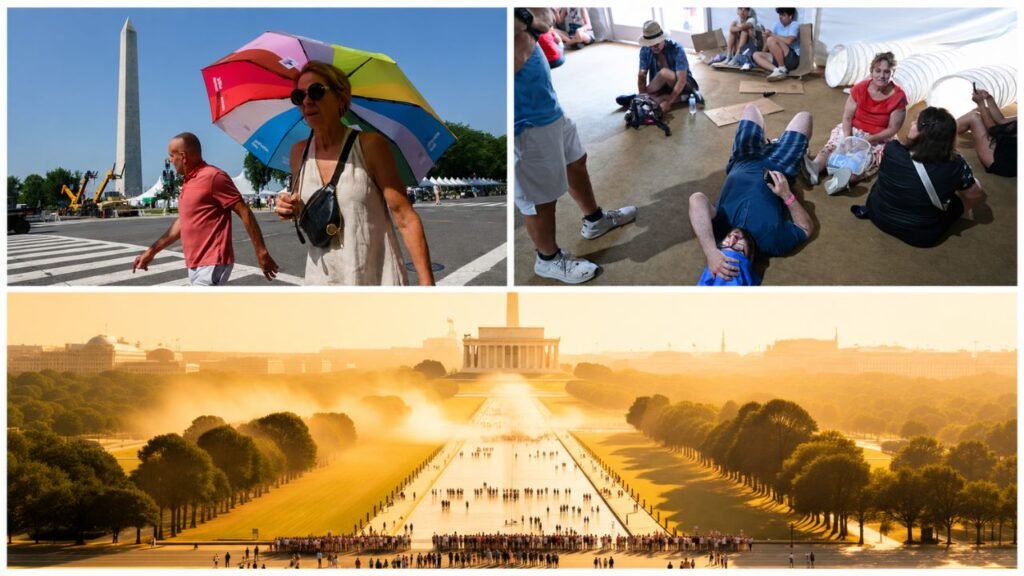
Washington DC Extreme Heat Wave DC forced organisers to cancel America’s National Independence Day Parade on July 4, 2026, after forecasts warned that heat index values could reach 110°F to 115°F. The decision removed one of the capital’s biggest daytime Independence Day traditions from a historic holiday marking 250 years of American independence.
The parade had been scheduled to begin at 10:30 a.m. Organisers said the decision followed consideration of the risks facing participants, spectators and event staff, with dangerous heat expected during the hours when thousands of people would otherwise have been outside along the parade route.
Which July 4 Events Were Still Scheduled?
Other parts of the capital’s July 4 programme were subject to separate schedules and safety decisions. National Park Service information continued to list major weekend activities on the National Mall, including the Salute to America celebration and fireworks.
At the same time, other events across Washington, DC, and the surrounding region were delayed, temporarily closed or modified as officials responded to dangerous temperatures.
Why Did Extreme Heat Force Parade Cancellation?
The National Weather Service placed Washington, DC, under an Extreme Heat Warning for July 4, with dangerously hot conditions and heat index values of 110°F to 115°F expected.
The warning covered Washington as well as parts of Maryland and Virginia, raising concerns about prolonged outdoor exposure during one of the busiest public holidays of the year.
A daytime parade creates a different level of heat exposure compared with a shorter evening event. Marching groups, performers, volunteers, security staff and spectators may spend several hours outdoors, often with limited access to shade or air-conditioned spaces.
Who was most vulnerable to heat?
Residents and visitors are asked to minimise time spent outside, especially during the hottest parts of the day, the district government said.
Officials also encouraged people to use air-conditioned locations and check up on people who may be more at risk during extreme heat such as older adults, young children and people with certain medical conditions or disabilities.
This safety guidance was especially important for July 4th celebrations when large public gatherings can keep people outside for extended periods of time and make it difficult to quickly get to shade, water or cooling facilities.
How Did Heat Disrupt Celebrations Beyond Washington?
Washington DC was not facing the heat in isolation. The severe heat wave disrupted Independence Day plans across large parts of the central and eastern United States.
Reuters reported widespread cancellations and postponements involving parades, concerts and fireworks events. The intense heat also increased pressure on electricity systems as demand for air conditioning surged.
The broader heat event reportedly affected more than 185 million people. PJM Interconnection, which serves a region covering about 67 million customers, also sought electricity conservation amid high power demand and generator problems.
What Other Washington Events Faced Heat Disruptions?
The event was temporarily closed during dangerous heat, showing how organisers were responding to conditions on an event-by-event basis rather than imposing a complete shutdown of the capital’s Independence Day celebrations.
For visitors, the result was an unusual July 4 experience. A major national parade disappeared from the schedule, while other celebrations continued under heat precautions, adjusted schedules and modified operations.
Implication for Future Events?
When it’s really hot, it’s not just a matter of whether a particular event technically can go ahead. Organisers also need to consider how long participants and spectators will be exposed to the heat, whether there will be enough shade and cooling facilities and how quickly emergency services can respond to heat-related illness.
Big parades can be particularly hard to manage when there are thousands of participants and spectators along a lengthy route. Smaller or shorter events may be easier to get people into cooled indoor spaces quickly.
Sources
- America’s National Independence Day Parade: Used for the official cancellation announcement, original parade time and forecast heat-index range.
- National Weather Service: Used for the Extreme Heat Warning affecting Washington, DC, and the forecast heat index of 110°F to 115°F.
- DC Government: Used for heat-safety guidance, information about vulnerable groups and the availability of cooling facilities.
- National Park Service: Used to distinguish the cancelled parade from other separately scheduled National Mall Independence Day events.
