
Missouri Declares State of Emergency as Severe Storms Trigger Dangerous Flooding Across the State

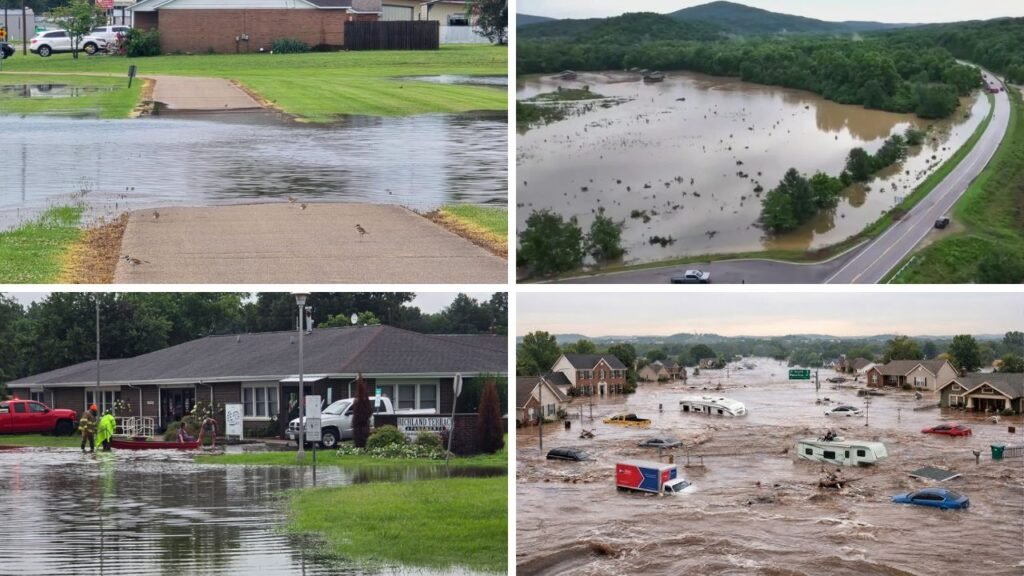
Missouri Declares State of Emergency Flooding was among the biggest weather stories in the U.S. as intense storms dropped 6 to 12 inches of rain across parts of the state over 24 hours. Torrential rain triggered life-threatening flash flooding, prompted hundreds of rescues and led Gov. Mike Kehoe to activate the state’s emergency response plan with more heavy rain on the way.
The emergency declaration will allow state agencies to better coordinate resources with local governments, first responders and emergency management teams. Officials said the action was necessary because flooding quickly overwhelmed roads, bridges, campgrounds and several communities in central, south-central and southeastern Missouri. Residents in areas likely to flood were asked not to travel and to watch out for changes in the weather.
 El Niño 2026 Continues to Strengthen as Experts Predict Big Changes for California Rainfall
Why did Missouri declare a State of Emergency?
Mike Kehoe declared a state of emergency after severe thunderstorms caused catastrophic flash flooding in several counties. Emergency officials said they carried out many swift-water rescues as floodwaters rose rapidly. The National Weather Service said that with the ground already saturated, additional rain could make things even more dangerous over the weekend.

Where were the flooded spots?
The most severe flooding was in south-east Missouri, including Iron and Reynolds counties, where the National Weather Service issued a rare Flash Flood Emergency. Heavy rains caused rivers and streams to overflow, with several neighbouring counties also under flood warnings. In some parts, the Black River rose to record levels, raising concern for populations nearby.

How many people were saved from the floods?
Floodwaters stranded residents and campers and emergency crews conducted hundreds of rescue operations. When the roads became impassable, more than 200 children and staff were flown out of Camp Taum Sauk. Rescue teams also saved campers stuck at Bearcat Getaway Campground and several people caught in trees or surrounded by rising water. No widespread fatalities were reported, but one woman was missing after floodwaters swept away a home in Crawford County, authorities said.
What’s left in the way of weather threats for Missouri?
Officials said the threat of flooding is not over. Forecasters say more thunderstorms are expected and could bring heavy rain, damaging winds, hail and isolated tornadoes. Any moderate rain could quickly produce more flash flooding as soils are already saturated. Residents are advised to monitor official weather alerts and avoid driving through flooded roadways.
What do the emergency declaration mean to residents?
It allows for faster mobilisation of personnel, rescue equipment and state resources to areas where local authorities need assistance. The declaration also will help coordinate emergency agencies responding to road closures, damaged infrastructure, evacuations and ongoing rescue efforts as severe weather continues to threaten the region.
Emergency responders are working around the clock but officials say recovery efforts will depend on how much more rain falls in the next few days. People living in impacted counties are urged to follow any evacuation orders and to stay tuned to official sources for the latest information on flooding.
Sources
- Missouri Governor / State Emergency officials – Activation of State of Emergency, coordination of emergency response, statement from governor.
- National Weather Service (via reporting) – 6 to 12 inches of rain, Flash Flood Emergency, flood warnings, ongoing weather threats.
- The Guardian – Effects of the flood, regions impacted, background of the emergency declaration and predictions.
