
Mamdani Warns New Yorkers to Prepare as Severe Flash Flood Threat Grows

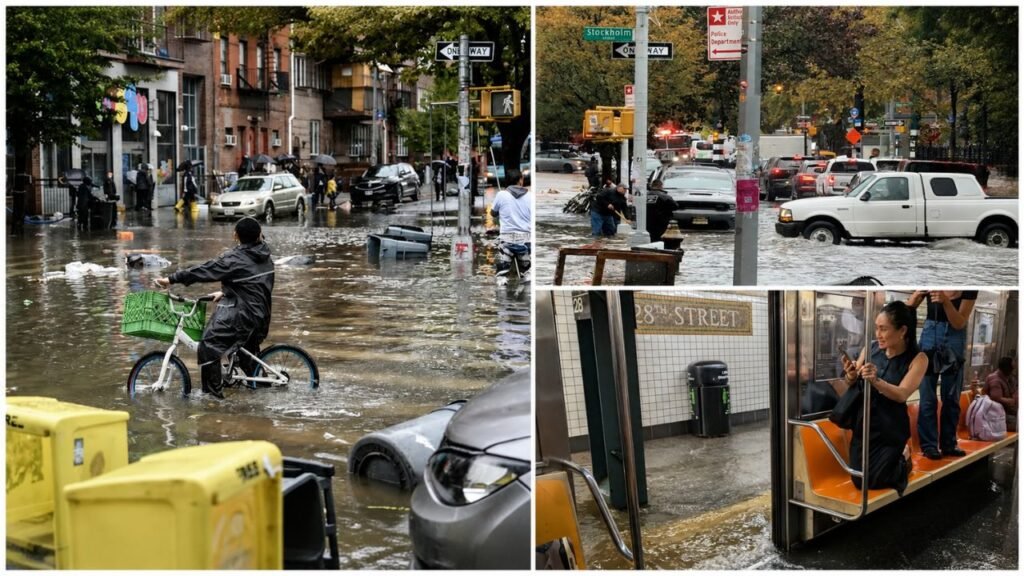
The NYC flash flood threat is growing as New York City prepares for heavy rain and thunderstorms that could disrupt Monday travel, flood low-lying streets and put basement residents at risk. Mayor Zohran Mamdani has urged New Yorkers to prepare early, while city agencies deploy crews and emergency resources ahead of the worst weather.
The biggest concern is not only the total rainfall but also how quickly the rain could fall. Forecasts indicate widespread totals of around 2 to 3 inches, with some locations potentially receiving 4 inches or more. The strongest storms could produce rainfall rates of roughly 1 to 2 inches per hour, increasing the chance of flash flooding in urban areas, poor-drainage zones and low-lying neighbourhoods.

Monday travel could become difficult quickly
New York City officials have warned that worsening weather could affect the city from Sunday night into early Tuesday, with the Monday commute facing a significant risk of disruption.

Heavy rain can quickly flood roads, highways, underpasses and intersections where drainage systems become overwhelmed. Drivers are being urged to avoid flooded streets because water can be deeper and more dangerous than it appears.
 Washington DC Extreme Heat Wave Forces Independence Day Parade to Be Canceled Across the Capital
Public transportation could also face delays or service changes if flooding affects subway stations, tracks, tunnels or bus routes. Residents are advised to allow extra travel time and monitor official alerts before leaving home.
The wider regional forecast is also concerning. Parts of the Mid-Atlantic and Northeast have been placed under an elevated flash flood risk, with repeated thunderstorms expected to move across some of the same areas.
Basement residents face higher risks
Mamdani has asked New Yorkers to check on vulnerable neighbours, especially people living below street level, and to sign up for official emergency notifications. City crews are also clearing catch basins, monitoring flood-prone areas and preparing rapid-response teams.
New York City’s drainage limitations are an important part of the risk. According to a city comptroller report, much of the sewer system is generally designed to manage about 1.75 inches of rain per hour.
hen the rainfall is more than that threshold, water can pool faster than the drainage network can take it away.” The storm in September 2023 caused extensive flooding of streets, basements and transportation infrastructure, and brought heavy rain.
That storm also exposed just how uneven the flooding can be in cities. “One neighbourhood may have lots of flooding while another part of the city may not be getting as much rain, so it’s difficult to accurately predict what will happen locally in advance.
Early preparation is the key message
The main lesson from the developing NYC flash flood threat is that dangerous conditions can appear quickly and may not affect every neighbourhood equally.
A narrow band of intense rain can overwhelm drainage systems, flood a road or fill a basement within a short period. That is why officials are urging residents not to wait until flooding is visible before taking precautions.
New Yorkers should monitor weather alerts, avoid driving through flooded roads, keep travel plans flexible and check on elderly or vulnerable neighbours. Basement residents should pay close attention to warnings and be ready to move to a safer location if conditions deteriorate.
Mamdani’s message is focused on preparation: expect travel disruption, take flood warnings seriously and act early when official alerts are issued.
Sources
NYC Emergency Management: Travel advisory timeline, Monday commute risk, city preparations and guidance for residents.
National Weather Service New York: Rainfall totals, possible rainfall rates and flash flood impacts.
NOAA Weather Prediction Center: Regional flash flood risk and repeated thunderstorm threat.
FOX 5 New York: Local reporting on Mamdani’s warning and city preparation efforts.
