
Birthright Citizenship in the United States Becomes a New Political Flashpoint

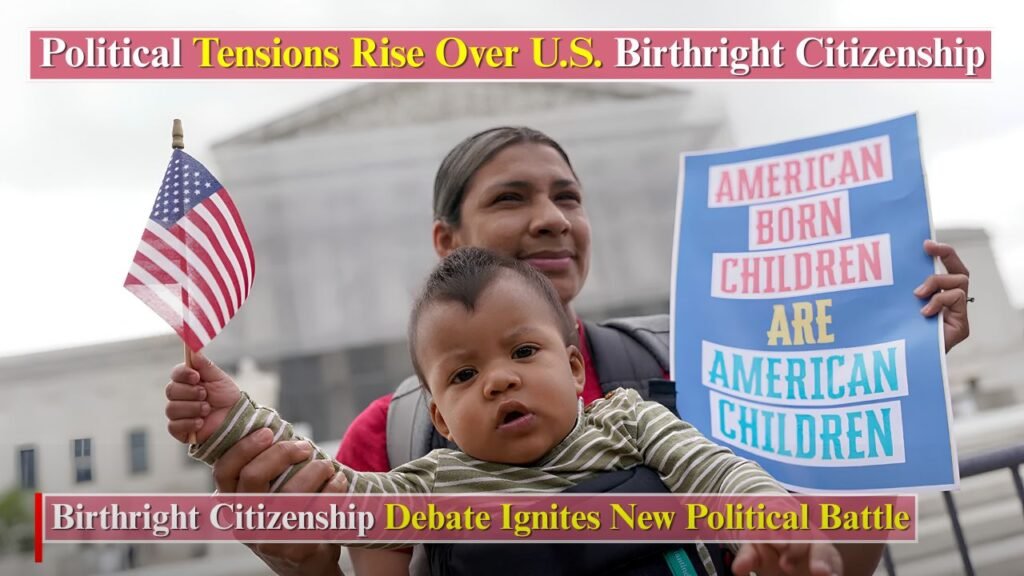
Once again, birthright citizenship in the United States has become one of the hottest political and legal issues in the country. The long-standing rule that most children born on U.S. soil are citizens has shifted from a constitutional conversation to the centre of national politics over the past year. The issue was reignited when the Trump administration sought to limit automatic citizenship rights for some children born on U.S. soil, igniting major court battles and a national debate. Students and readers need to know the legal background, and also the latest developments bearing on the future of American citizenship, to understand the controversy.

The 14th Amendment to the US Constitution , ratified in 1868 , guarantees birthright citizenship. All persons born or naturalised in the United States and subject to the jurisdiction thereof, are citizens of the United States. For over a century, courts and legal scholars have understood the clause to mean that almost all persons born on U.S. soil are citizens, irrespective of their parents’ immigration status. But recent political challenges to that interpretation have made it a major flash point in American politic.
 Trump Administration Imposes New 10 Percent Tariffs on More Than 80 Countries in Major Trade Move
Latest Update on the Birthright Citizenship Debate in the United States
By 2026, the matter is under intense legal and political scrutiny. The Supreme Court heard arguments on an executive order from the Trump administration to restrict birthright citizenship to the children of parents who are illegally or temporarily in the country. Some justices appeared sceptical at oral argument of the administration’s argument, which could tip the balance towards the more traditional, constitutional interpretation. A final ruling could have wide-reaching implications for immigration law and constitutional law nationwide.
 Nearly 150000 California Mail Ballots Were Rejected Despite New Efforts to Count Every Vote
Birthright Citizenship: Why the Issue Matters
This is not a matter of immigration policy. Birthright citizenship advocates say it provides legal certainty, prevents statelessness and is consistent with the original intent of the 14th Amendment. Critics say the automatic citizenship policy lures illegal immigrants and should be re-examined in light of current immigration problems.
 Trump SAVE Act Push Meets Quiet Response From Republican Lawmakers Over New Election Claims
Citizenship is the key to voting rights, federal benefits, passports and legal protections and a change to birthright citizenship would affect generations of families and millions of Americans. That’s why it has become a major issue in election campaigns, in congressional debates, in court cases.
Official Information
Readers should confirm official information from notices posted by:
- U.S. Citizenship and Immigration Services (USCIS)
- U.S. Supreme Court
- The White House
- U.S. Department of Justice
These agencies release official court filings, legal alerts, executive actions and immigration guidance on birthright citizenship and the interpretation of the Constitution.
How to Check Updates
- Go to the official website of the United States Supreme Court.
- Search birthright citizenship cases.
- Search court dockets and oral argument calendars.
- See official DOJ press releases.
- Look for USCIS announcements on immigration guidance.
- Read important court decisions published in official government reports. This helps to ensure correct information and prevent misinformation that is often spread in social media during politically sensitive debates.
Documents and Information
There are certain documents that are regularly encountered in legal and administrative proceedings in the context of immigration and citizenship law.
- Birth certificates from the United States
- Immigration Records for Parents
- Travel documents and passports
- court papers and legal notices
- Government identification documents
- USCIS immigration records
Immigration policies can have a big impact on families and legal experts say those affected should keep detailed records and seek the advice of legal professionals when necessary.
How the Birthright Citizenship Controversy Shapes American Politics
Birthright citizenship is politically important and has implications that go far beyond immigration policy. Republicans and Democrats often frame the issue differently, mirroring broader debates over border security, constitutional interpretation and national identity. The issue has become one of the most closely watched constitutional questions in recent years, as political campaigns have used the issue to energise their supporters.
Public opinion is still divided . And court rulings could shape proposals for legislation , debates over elections and immigration reforms for years to come . The Supreme Court’s eventual ruling may rank as one of the most consequential constitutional decisions of the decade.
What Students Should Know
Birthright citizenship is not just an immigration matter and civics, constitutional law or political science students should be aware of this. It is basically about the interpretation of the Constitution It is about the powers of the executive branch and the role of the judiciary in resolving national disputes .
Knowing the history behind the 14th Amendment , landmark court cases , and ongoing legal battles gives you a better sense of how the Constitution still influences contemporary American society.
Final Advice
Those following developments on birthright citizenship should look to verified information coming from courts, government agencies and established news organisations.” False claims can spread quickly because the issue intersects with constitutional law, immigration policy and political debate. The legal arguments, political implications and possible consequences of this historic controversy will be best understood by those who follow the authoritative sources.
