
US Iran Ceasefire Deal Could Change Everything

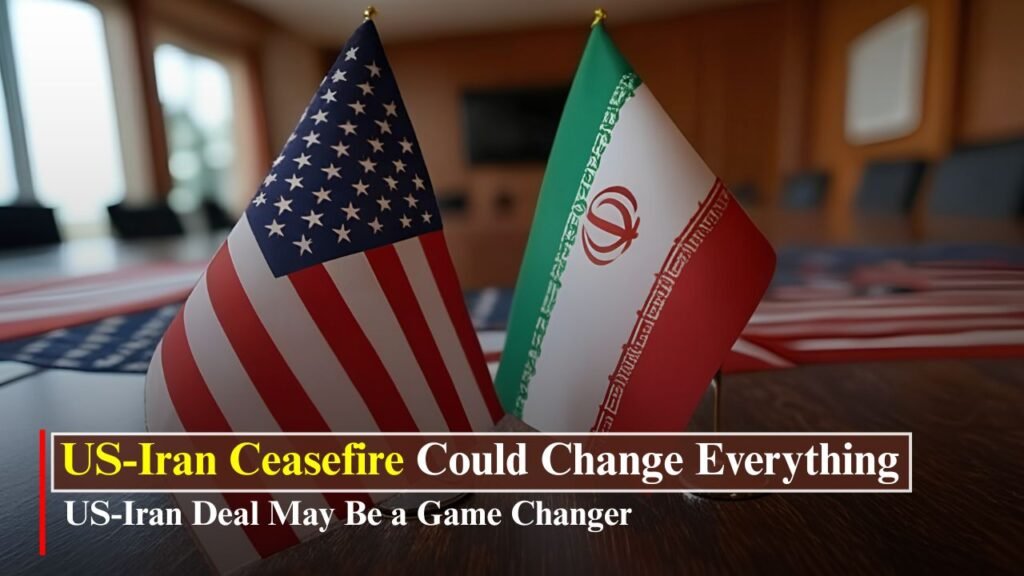
The US-Iran Ceasefire Deal Could Be a Game Changer Washington and Tehran are on the verge of agreeing a formal ceasefire that would halt months of fighting, open up important trade routes and ease tensions across the Middle East. It was recently reported that both sides agreed to expand a framework for a ceasefire and to work towards a broader peace deal. The planned deal has already drawn international attention because of its possible impact on oil prices, international trade, regional security and diplomatic relations. It could change the geopolitical landscape for years to come which is hugely important for students, for people who care about the world and for policy makers.”

The talks have centred on de-escalation of the military, opening of the Strait of Hormuz and future talks on Iran’s nuclear programme. Experts say a temporary ceasefire could bring some much-needed stability to a region that has seen increasing uncertainty in recent months, but many questions remain unanswered.

Latest Update on the US Iran Ceasefire Deal
June 2026 – US and Iranian media report that the two countries have agreed on preliminary terms for extending the ceasefire and broadening the peace talks. Regional partners continue to support the two sides with mediators and officials in both countries remain optimistic. If all parties are happy with the final terms there are reports of a formal signing ceremony in Switzerland. It is also expected to cover maritime security, and economic cooperation.

US Iran Peace Agreement Official Information and Sources
Only statements from government officials, international news agencies and diplomatic briefings are reliable sources of information on US Iran ceasefire talks now. “Readers should ignore social media rumours and consult with credible sources such as Reuters, Associated Press and official government communications.

Actual key information is:
- We will extend the truce.
- The talk of opening the Hormuz Strait .
- Next on the agenda: sanctions, nuclear issues.
- Monitoring and Verification of the US Iran Ceasefire Framework
International Mediation with Regional Partners
Important Data
The ceasefire has raised international concern over the Strait of Hormuz, a strategically vital waterway. It is a strategic shipping lane for much of the world’s energy shipments. Reports say that reopening the route could help reduce volatility in oil prices and ease disruptions in global energy markets. The good news on the diplomatic front is already priced into the markets.
Economists say more stability could also mean more investment, more international trade, and less upward pressure on prices from energy costs. Governments and business everywhere are therefore watching the negotiations with keen interest.
Documents and Important Instructions Related to the Ceasefire Process
And there is going to be a series of key documents and agreements that are going to be part of the diplomatic process going forward.
- Memorandum of Understanding. Parties to the negotiations.
- The path to a ceasefire
- Next step in nuclear talks.
- Maritime security arrangements.
- International inspection and verification regimes
But, say the observers, an interim agreement is no guarantee of a final peace accord. Final implementation will probably involve more negotiation and approval.
Why the US Iran Deal Could Change Everything for the Middle East
Larger than US and Iran But the deal is more than that. A successful peace process could alter security conditions throughout the Middle East, reduce the burden of military expenditures and provide scope for economic co-operation. This may also contribute to better diplomatic relations between regional powers and lower chances of future conflicts.
Most experts agree that the key to long term stability is ongoing dialogue. There are still some problems, but the present structure is one of the major diplomatic successes of the last years.
Final Thoughts
US Iran Ceasefire Deal – Possible Impacts Still Playing Out A successful conclusion of the deal could have far-reaching implications for energy markets, global trade, regional security and diplomacy. The official pronouncements will appeal to the student of international relations and the general reader. Future negotiations will determine if this initial framework will become a permanent peace settlement.
