
Telegram Users Face Access Issues After India Restricts the App

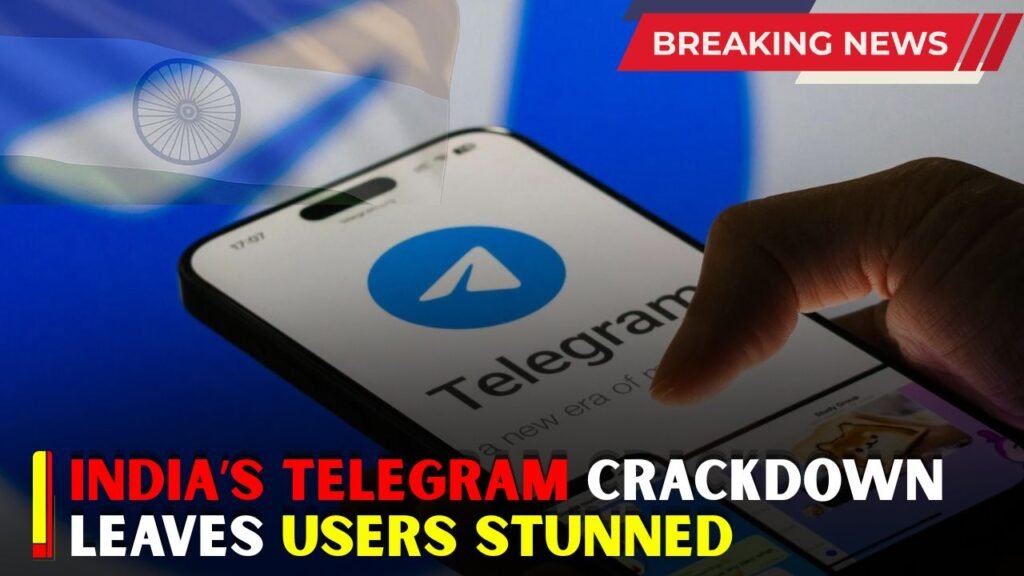
Telegram Users Face Access Issues : After the government’s temporary ban on the messaging app in the run-up to the re-examination for NEET-UG 2026, Telegram users across India have begun to express their problems accessing the platform. The decision has affected students, coaching groups, businesses, communities and common users who use Telegram for day-to-day communication. But the temporary ban has revived the debate on online safety, examination integrity and the impact of sudden digital shutdowns on ordinary users.

India Blocks Telegram
Telegram’s access troubles in India started after the government linked the app to exam-related cheating and misinformation about the NEET-UG 2026 re-test. The National Testing Agency has reportedly welcomed the limitation, saying it was vital to safeguard applicants from fraudulent paper leak allegations, cheating networks and misleading messaging. The ban is due to stay in force until June 22, 2026, however specific app features could be blocked for longer.

Why Some Users Won’t Be Able to Access Telegram
The government’s decision was taken after concerns that Telegram channels and groups were being used to spread alleged exam material, false claims, and fraud-related messages. NEET is one of India’s most important entrance exams, and any suggestion of a paper leak can create panic among lakhs of students. Officials appear to have treated the situation as urgent because the re-examination is scheduled for June 21, 2026.

For many users, the effect is simple: the app may not start, messages may not load or connections may feel unreliable. Some users might also experience problems logging in on mobile networks or using Telegram Web. That can depend on what your internet service provider is, what device you’re using, where you are and whether the ban has been properly rolled out in your area.

Can Telegram Users Still Edit Old Messages?
Apart from the access restriction, Telegram’s message-editing feature has also come under scrutiny. Reports say authorities asked for limits on the feature because edited messages can be used to create confusion around timestamps and content. In exam-related cases, this can make it harder to verify whether a message was posted before or after an alleged leak.
This is significant as Telegram is often used for fast updates, public channels, study groups and enormous communities. Editing messages can be quite handy when you need to fix a typo, update some information or correct a link. But in sensitive scenarios such as national exams, the same feature might be leveraged to make false statements more credible.
When the Restrictions Will End
The platform-level restriction is expected to continue until June 22, 2026. That date falls just after the NEET-UG 2026 re-examination. The message-editing restriction, however, may continue until June 30, 2026, according to reports. This means users may regain access to Telegram before all features return to normal.
Students and coaching groups care about the timing. There are many education telegram communities that share notes, admission card updates, test advice and last minute reminders. The students are likely to be affected by such a sudden restriction, especially those pupils whose primary source of communication for exams is Telegram. In the meantime, users will likely rely on SMS, email, WhatsApp, official websites or other means to receive critical updates.
NTA Welcomes Centre’s Move
The National Testing Agency has reportedly supported the Centre’s action, saying the step helps protect the fairness of the examination process. From the agency’s point of view, the priority is to prevent panic, stop fake leaks, and reduce the risk of candidates being misled by fraudsters. False information about exams can do harm, eroding confidence among students and the public.
The ban has also raised doubts about whether limiting access to a key communication platform is the right approach. Digital rights groups and other users say strong restrictions can penalise those with no link to exam fraud. Just a few unscrupulous actors might cut off companies, creators, students and community groups from critical conversations.
The effect on the common telegram user
For the average user, the restriction is more than a technical issue. Telegram is used for work cooperation, customer support, file sharing, news updates, private groups and public broadcasts. When access is unstable, people may miss messages, lose touch with communities or find it difficult to relocate conversations elsewhere at short notice.
The situation also raises awareness of how many users have become dependent on a handful of digital platforms. A temporary restriction can easily affect communication within education, business, media and personal networks. It also reminds users to have a backup communication channel in place, particularly for urgent or official matters.
What You Can Do Today
Students hit by Telegram ban don’t rely on dubious channels for exam information: Students are encouraged to follow official NTA updates, notices from schools and trusted news sources instead of screenshots or allegations from unknown groups. Stay away from mails saying about leaked papers or solution keys or any such thing which would guarantee you help in exams.
For now, the restriction appears to be temporary and linked to a specific exam-related concern. Access is expected to return once the government’s stated period ends. In the meantime, users are urged to remain vigilant, watch out for important updates from official sources and avoid circulating unverified information that could create panic among candidates.
