
The Death of Robin Hood with Jackman sets up a darker take

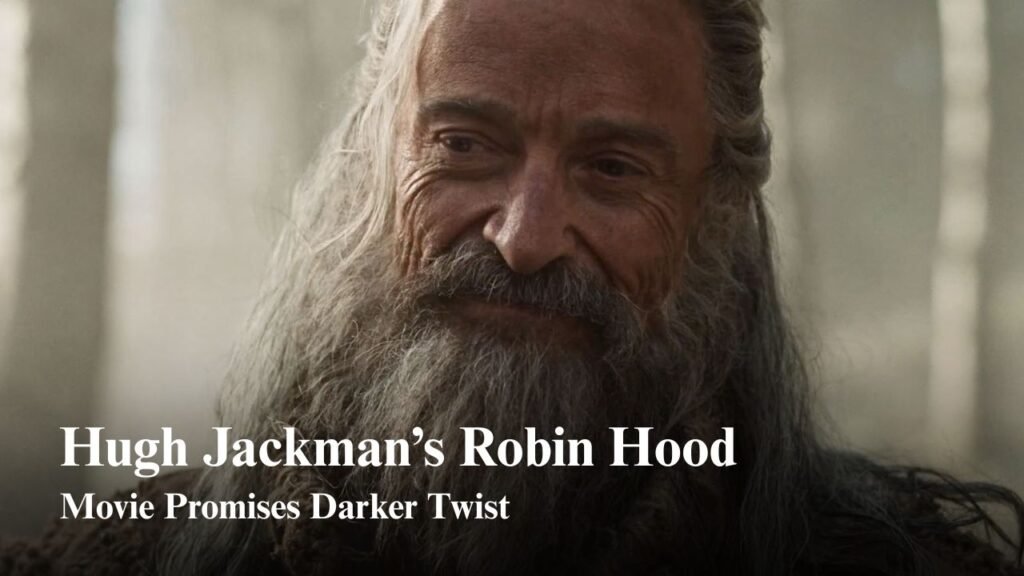
The Death of Robin Hood: Robin Hood has always belonged to public memory as the purest kind of rebel, thieving from the powerful and giving hope to the forgotten. That’s why The Death of Robin Hood already sounds like a warning, not just a title. But Hugh Jackman is at the helm and the story looks set to shed the cheery outlaw, the quick grin and the easy victory song. It points to a Robin who is remembered by all but himself.

The darker promise isn’t just a matter of making the forest colder, the battles more brutal. This is a matter of changing the moral temperature of the myth. A dying or broken Robin Hood prompts the audience to ask what happens after years of justified violence. Will the hero find peace for a noble cause or will the past return when the applause dies down? That question is the tension of the film. The threat feels real before it feels inward.

The Death of Robin Hood Story
Hugh Jackman is a good choice because he wears both warmth and danger well on screen. His Robin can be brave without being perfect, and that’s important for a story about regret. Instead of seeing a young outlaw rise, audiences are presented with a man on the brink of his strength, wounded in body and spirit. We know the name Robin Hood but we do not know this man.

Here is where the movie can be more than just a mediaeval adventure. A darker Robin Hood does not have to rule out heroism. All it has to do is complicate heroism. If Robin saved lives, he may have destroyed some. Jackman could make silence suspenseful, each pause a confession waiting to be made.

Why This Darker Robin Hood Movie Is More a Reckoning Than a Rescue Mission
The classic Robin Hood tales tend to go towards liberation. The rich are punished, the poor are protected, and the hero is morally bright. The Death of Robin Hood seems to go the other way. It wonders if good intentions can survive the damage done in their name. This more substantial question gives the movie a sharper emotional hook.
The suspense is in these major changes in the familiar formula:
- Robin is a fragile human being, not a folk hero immune to human hands.
- The central conflict seems less to be about political injustice than about guilt and healing and memory.
- The legend itself is unstable as if the truth may be darker than the stories people repeat.
That approach turns Sherwood Forest into less of a playground for rebellion and more of a haunted place. Every tree can mean a trap, every path can lead back to an old sin, every whispered song can hide what happened. Maybe the real question isn’t whether Robin lives, but whether he deserves to live.
Is Mercy the Deadliest Weapon in the Movie?
There is also a mysterious woman who tends to Robin when he is injured. In a more lighthearted version that character might be a healer or a love interest. In a darker film she could be something much more powerful. She may be mercy, but mercy isn’t always gentle.
Hence her role can contribute to the emotional puzzle of the film in two significant ways:
- If she can keep Robin safe, her kindness might buy time for death to delay long enough for guilt to surface.
- If she learns the truth, she might be the one to finally separate the man from the myth.
This dynamic could make the film intimate not massive. The biggest battle might not be on the field, but in a quiet room, where Robin must answer for the story that people turned into a song. Jodie Comer can make softness feel sharp, which is why she’s perfect for this darker tale.
Why the Forest May Appear Like a Crime Scene
A darker Robin Hood needs more than shadows and violence. It needs a sense of atmosphere that makes the audience feel history pressing in on the characters. If the film chooses a more grounded, disquieting style, Sherwood Forest can shed its skin as a symbol of freedom and become a place of evidence. The mud, silence and broken light may indicate a legend that has been tidied up over generations.
And that is what makes the project so interesting. Perhaps the film isn’t asking us to forget the heroic Robin Hood. Instead it might ask them to look at him long enough to see the cracks. Folk heroes are often manufactured because communities need hope, but hope can flatten real people and painful choices.
Will Jackman’s Robin Die a Hero or Tear Off the Mask on Myth?
The title itself is a hook, as death can have multiple meanings here. It may be Robin’s physical end, but it may also be the death of a public fantasy. A strong ending doesn’t have to obliterate everything audiences love about the character. It may just show that the legend was never clean.
That’s why The Death of Robin Hood looks promising. It takes a familiar name and puts it in emotional jeopardy. Instead of questioning whether Robin can defeat another foe, it asks if a famous hero can survive the truth. If that darkness is embraced with honesty, Jackman’s Robin Hood will be broken, human and unforgettable out of myth. But that kind of ending would not do justice to the myth. It would make the audience question why they trusted it again.
