
US Senate Delays Crypto Clarity Act While Focusing on Other Legislative Priorities

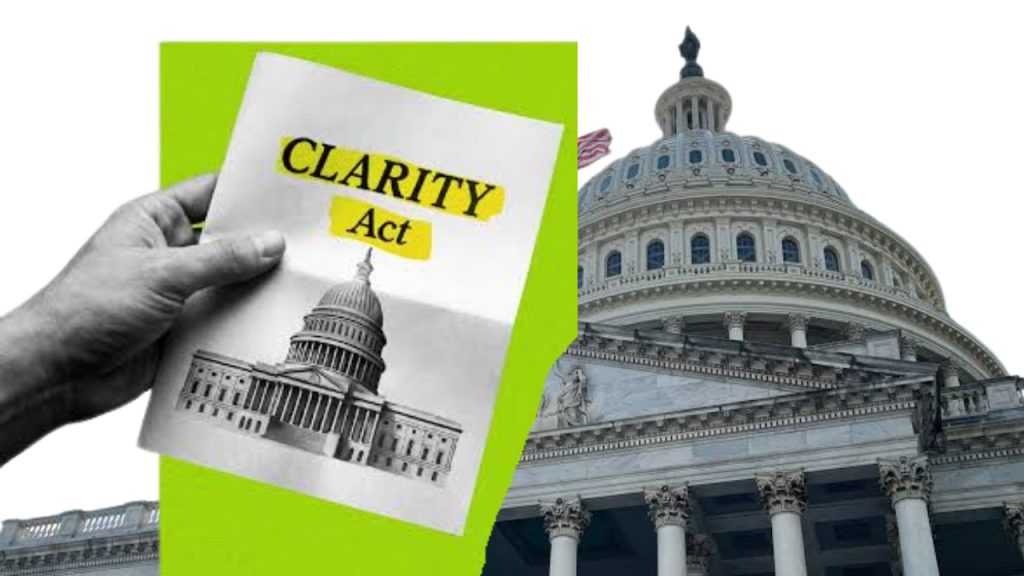
US Senate delays crypto Clarity Act on the back burner, placing the digital asset industry in even more limbo. The law would have created a more formal regulatory framework for cryptocurrencies, but scheduling and political infighting have hampered its progress.

The delay is troubling as crypto firms, investors and financial institutions have been asking for more clarity on how digital assets should be regulated in the U.S. In the lack of new legislation, many firms still operate under a fragmented regulatory system with several agencies involved.

Update on the Crypto Clarity Act & Legislative Challenges
The CLARITY Act would clarify what digital assets are and decide if cryptocurrencies will be considered securities or commodities. Proponents say the bill might bring some predictability and foster responsible innovation in the U.S. crypto sector.

But other legislative priorities in the Senate have eaten up the time required to move the crypto bill forward. There are a lot of other important policy matters that lawmakers have in the air, so it’s harder to time the consideration of the measure.

Discussions have also taken place on particular provisions of the Act like the regulatory power and the criteria of investor protection. Disputes like these have placed the brakes on efforts to move the bill ahead.
Key market and financial ramifications
But while the delay doesn’t immediately impact companies’ earnings reports or revenue data, it does have ramifications for crypto-focused enterprises and investors who rely on regulatory clarity.
Industry leaders in the crypto space believe a clearer regulatory framework might boost institutional investors’ confidence and prompt more startups to build blockchain-related products in the U.S.
Companies involved in digital assets, such crypto exchanges and providers of blockchain services, have been closely watched by the market. Analysts said regulatory changes might potentially affect future investment decisions by eliminating the veil of ambiguity over compliance.
Market investors reaction
Investor attitude on crypto regulation has been a little bit reactionary to what’s going on in Washington. Expectations of new rules have previously helped lift parts of the digital asset market.
The delay has increased the fear as firms are not yet certain on a clear regulatory framework. It’s not so obvious to invest. Institutional investors are generally drawn to places where the legal structure is well established. Industry observers say longer clearance processes tend to lead to firms stopping expansion plans or waiting for more regulatory guidance.
Implications for investors
The Senate delay highlights the necessity of investors staying abreast of crypto regulatory trends and changes. In the short term, uncertainty could bring volatility to crypto-related assets. Digital asset companies may suffer ever-increasing compliance costs if legislators do not set clear guidelines. The enactment of rules governing market structure could lead to a wider, institutional embrace and expansion of the crypto sector.
What Happens Next for the Crypto Clarity Act?
Next steps will depend on the Senate calendar, talks among legislators and whether residual differences can be bridged. Investors will be watching for committee action, Senate floor debate and any modifications to the bill’s parameters. A settlement like that would be a major breakthrough for cryptocurrency regulation in the U.S. Meanwhile, crypto markets will likely continue hyper-focused on legislative developments and macro concerns that impact demand for digital assets.
Sources
U.S. Senate Banking Committee
Provided the official explanation of the objective, regulatory structure and investor protection purposes of the CLARITY Act.
Congress.gov
Provided legislative history and committee movement information for the Digital Asset Market Clarity Act
Barron’s
Gave market perspective on crypto firms and investor expectations around regulation.
Yahoo Finance
Provided industry research on delays and market expectations for crypto regulation.
