
Obsession Becomes Focus Features’ Biggest Movie Ever

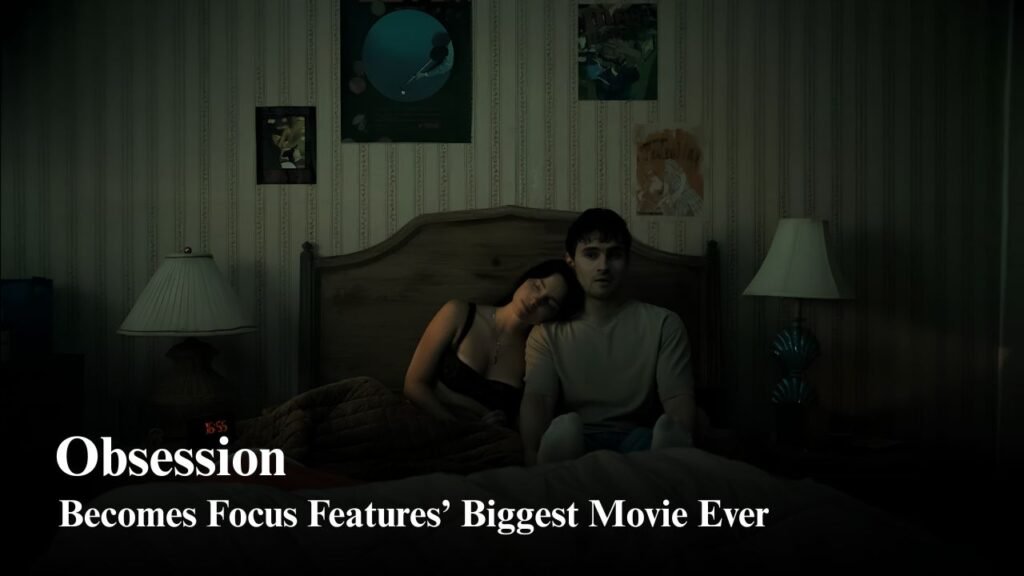
Obsession: Every few years, Hollywood is reminded that a movie does not need superhero armor, a recycled universe, or deafening marketing to take over. Obsession delivered that reminder. What began as a modest horror romance from Curry Barker has become Focus Features’ biggest grosser, pushing past the studio’s benchmark and giving 2026 a strange box office story.

The surprise is not only that Obsession won; it is how calmly it kept winning. Curiosity did not burn out after opening weekend. Instead, the film grew, held, and became a weekly talking point, helped by its twisted love story, sinister wish device, and emotional mess around Bear and Nikki. Viewers came for scares, but stayed because obsession felt human before turning dangerous.

How Obsession Turned a Tiny Budget Into a Studio-Shaking Mystery
The financial story is dramatic. Made for roughly $750,000 to $1 million, Obsession has crossed more than $224 million worldwide, an outrageous return for a title without franchise branding. Its domestic run has been especially powerful, while international markets widened the reach. For Focus Features, the movie became a record breaker.

Before this, Downton Abbey stood as the studio’s highest grossing worldwide release, a polished crowd pleaser with a loyal built in audience. Obsession is the opposite champion: rawer, stranger, cheaper, and carried by conversation that felt less manufactured. The contrast makes the achievement sharper and proves risky genre cinema can outrun prestige comfort when the hook is strong enough.

Several reasons made this climb possible, and none worked alone. Before the list, it is important to note that Obsession succeeded because marketing and storytelling fed each other instead of fighting for attention.
- The premise was easy to understand, but dark enough to feel fresh.
- Festival buzz gave early viewers a reason to talk before wide release.
- Low cost turned every strong weekend into a profitability headline.
- Social media debates kept the characters alive after theaters emptied.
Obsession Box Office Numbers That Explain Why Hollywood Is Watching
Numbers tell only part of the story, but here they explain why the industry cannot look away.
The most revealing detail is not the opening weekend. Many horror films open strongly when trailers promise a sharp concept. The difference is that Obsession refused to collapse. Its later weekends showed rare staying power, including a huge fourth weekend that signaled something deeper than front loaded hype. People were not merely sampling the film; they were recommending it, arguing about it, and returning with others.
Why This Horror Romance Feels Bigger Than a Normal Breakout
Obsession works because its fear is built on a recognizable weakness. Bear’s wish is supernatural, but the longing behind it is ordinary: the fantasy that love can be forced into place if reality refuses to cooperate. That idea gives the film a nasty intimacy. The terror does not arrive from nowhere; it grows from a selfish desire many viewers can understand, even while rejecting it.
Curry Barker’s approach helps the film stand apart. The movie uses horror as consequence, not decoration. Its romance is not soft background material, and its scares are not random interruptions. Each frightening turn feels connected to the original moral mistake. That structure makes the film more discussable than a simple monster story, because the real monster is a choice producing damage.
There are audience reactions that pushed the conversation further. Here is the second and final list, because these points explain the emotional hold without turning the article into notes.
- Some viewers read the film as possession disguised as romance.
- Others ask whether Bear understands the cost too late.
- Many fans debate Nikki’s role, keeping the ending from feeling closed.
That uncertainty is valuable. When a film leaves enough space for disagreement, it earns a second life online. Obsession did not need everyone to agree; it needed everyone to feel there was still something to unpack. That is how a modest horror romance becomes a daily conversation instead of a weekend headline.
What Obsession’s Record Means for Focus Features and Genre Films
For Focus Features, the achievement is commercial and symbolic. The studio built its identity around distinctive films, but Obsession shows that distinctiveness can become mass entertainment when genre energy is handled with confidence. It also gives distributors a case study in controlled risk. Instead of chasing expensive certainty, studios may look harder at original horror and stories with simple hooks but complicated emotions.
The lesson is not that every low budget horror film will explode. Most will not. The real lesson is that audiences still respond when a movie feels specific, dangerous, and easy to recommend. Obsession had a title that fit the mood, a premise explainable in one sentence, and enough mystery to make that sentence insufficient. That is a powerful balance.
Its success arrives when viewers seem tired of being told what counts as an event. Sometimes the event is not the loudest release on the calendar. Sometimes it is the smaller film people whisper about after the credits, the one that feels forbidden to spoil. Obsession became that film, giving Focus not just ticket sales, but a rare cultural spark.
Obsession’s Biggest Twist Is That Hollywood Needed a Small Movie to Feel Huge Again
The final irony is delicious. A film about dangerous desire has become Hollywood’s newest desire: a cheap, original, theatrical hit with staying power. Obsession did not arrive like a guaranteed champion, and that is why its rise feels thrilling. It proves suspense still sells, romance can still wound, horror can still surprise, and a major studio story can begin with a movie almost nobody saw coming.
