
Paramount Faces Crisis After Last Airbender Movie Hack Story Emerges

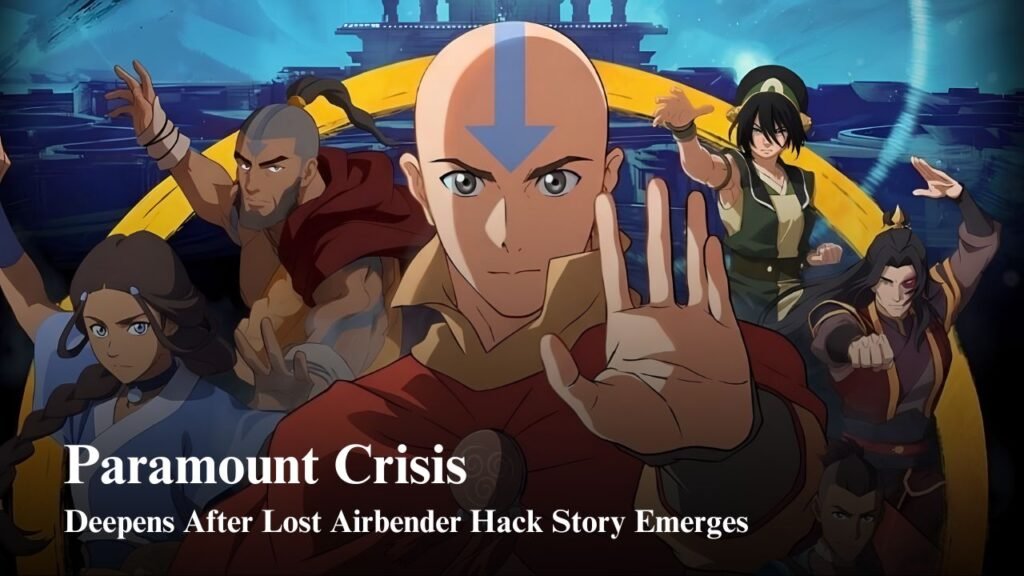
Last Airbender: Paramount is battling a problem no studio wants: a prized film breaking free before its campaign could catch its breath. The leaked Avatar: Aang, The Last Airbender material has turned a planned streaming launch into a test of trust, security and fan patience. What started as weird clips on social media has become a broader conversation about whether studios can safeguard their unreleased work as it goes through vendors, servers, artists, executives and marketers.

The crisis seems more dire because Avatar is not just another animated property. It is a childhood world of careful storytelling, moral development, and the promise that everything belongs somewhere, for many viewers. A leak punctures that feeling. It makes the film feel less like an event, more like a corrupted file passed from link to link. Paramount can take away copies, but it can’t easily give back the first impression filmmakers took.

Why The Last Airbender Leak Was Cause For Studio-Level Alarm
The most damaging is not only that the footage was posted online. That the story about the footage kept changing. One version was an email sent by mistake. Another indicated unauthorised access to the server. Reports also described an arrest in Singapore, taking the matter from fandom drama into criminal territory. With every new detail, Paramount looks reactive, even as investigators still sift fact from Internet theatre.

Piracy screenshots and secondhand reactions assessed the film before it could be marketed through trailers, interviews, posters, and coverage at the premiere. That is a brutal way for any film to get its audience. Animation is all about timing, colour, sound and size. When those pieces are crushed by illegal uploads, the conversation shifts from craft to scandal. That can be a morale blow in the production pipeline.

There are now two simultaneous pressures moving:
Paramount needs to demonstrate that its creative assets, partners and delivery systems are not as vulnerable as the leak makes them appear.
The studio must recreate the excitement, but also recognise that there are millions of fans who already know about the breach.
That is why the event is being interpreted as a crisis rather than a mere spoiler problem. Spoilers plot. A full leak destroys the business model, release calendar and studio promise that the artists’ work will be treated with care.
Fans Are Watching Inside The Paramount Damage Map
The fallout is across several fronts and none can be fixed with one takedown notice. The legal team can chase mirrors and links but cultural damage moves faster. Fans, angry about a streaming-only release, could use the leak as a protest. Some may avoid it as a matter of respect. In the middle are casual viewers who read headlines about chaos and wonder if the official release will feel special.
The table describes why the story is bigger than a single hacked file. Paramount has to contend with a security investigation, a bruised fan conversation and an already controversial release strategy. Business logic can justify the move, but after a leak the same move looks like a sign of weakness. That perception is important, because franchises run on confidence as much as content.
Fan Backlash Turned The Hack Story Into A Test Of Reputation
The Avatar audience is passionate, and passion is useful until it turns into entitlement. Some fans say they’re angry about casting, platform strategy or the loss of a theatrical release. Those complaints might be valid, but they don’t erase the work that went into the movie. Animators, designers, voice performers, editors and production staff spent years putting together scenes meant to come finished, not as contraband.
A quick look at the fan split helps to clarify the stakes:
On one hand, it’s disrespectful to leak, because it robs the intended reveal from the people who made the movie.
Another side sees the leak as punishment for corporate choices, even if the artists are the easiest people to hurt.
That’s the thing that renders it tricky for Paramount to respond. If the studio only speaks like a corporation it might feel cold. If it plays only to fan sentiment, that could hurt its legal argument. A better way of doing this is to put the creative team at the heart of the problem and explain how leaks hurt budgets, confidence in sequels and animation jobs.
What Paramount Needs to Do Prior to the Official Release
Paramount’s next move can’t be just takedowns. It needs a clean slate publicly. It means not overpromising, but underpromising, and overdelivering, giving audiences a reason to wait for it. A more robust trailer campaign could help, but only if it doesn’t feel like an afterthought. The studio also needs to assure partners it’s taking servers, screeners and transfers seriously.
The message should be simple: the film is not the leak. A stolen copy doesn’t substitute for a final release, proper sound, credits and community experience of watching without guilt. That might not persuade die-hard pirates, but it might move undecided fans with at least some investment in the franchise. Paramount needs to make it feel like by supporting the release you are supporting the artists, not defending a corporation.
Now the suspense is whether the “Airbender” brand can survive the breach.
The Last Airbender hack story revealed a fragile Hollywood truth. Studios have been working for years to bring popular worlds to life, but one breach can turn the story from art to crisis management. There is a path forward for Paramount, but it must act with clarity and speed. If either side is underestimated, the damage could outlast takedown notices.
