
Nvidia Enters the PC Market With New Arm-Based Chips

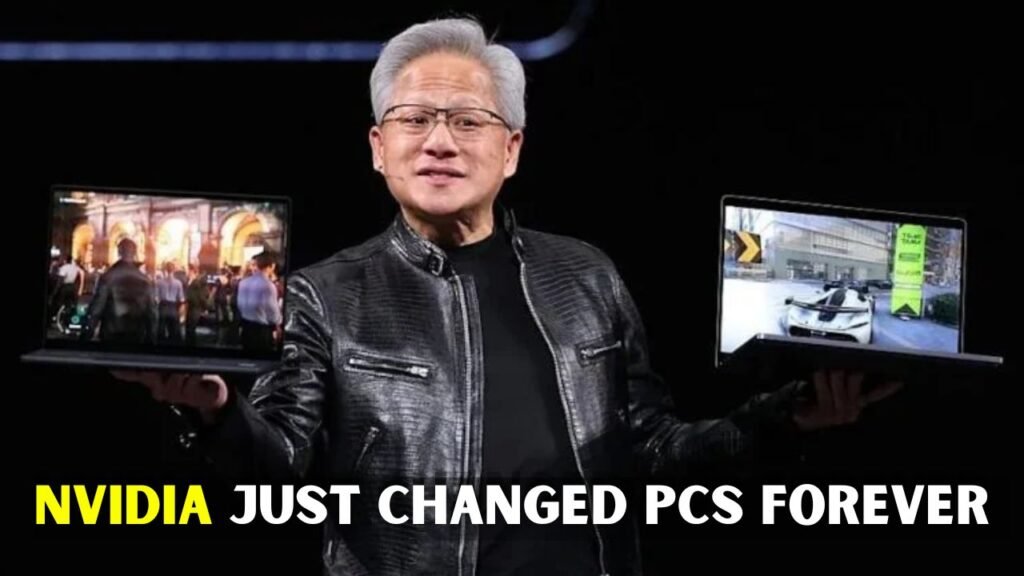
With new Arm-powered chips for modern Windows laptops and small desktops, Nvidia is making another push into the personal computer space. Nvidia is already famous for its beefy graphics cards and AI chips, but this is a bigger move because it wants to own more of the entire PC experience. Its new chip approach brings CPU power, RTX graphics, AI acceleration and unified memory into one efficient platform. It could help computers run local AI tools, creative software, games and everyday apps quicker and with better battery life. For users, that means future PCs could feel smarter, more responsive, and less dependent on cloud servers. That puts more pressure on the industry to compete with Intel, AMD, Apple and Qualcomm. Nvidia’s foray also signals a shift in the PC market from basic productivity machines to AI-ready personal computers for work, creativity, entertainment, and private on-device assistance for all today.
Nvidia’s Big Step Into the PC Chip Market
The move matters for Nvidia because it alters the company’s role in PCs. Previously, Nvidia primarily sold GPUs that worked alongside CPUs from other companies. Arm-based PC chips let Nvidia deliver a more integrated system that closely binds the processor, graphics, memory and AI capabilities. This design can help reduce part delays as well as improve power consumption. It also gives laptop makers another option for premium, thin, AI-focused devices. This isn’t just about speed. Nvidia is selling a new PC idea, with AI agents, creative apps and games all running smoothly on the same machine. This may force older PC brands to innovate faster and provide better performance to everyday buyers for everyday home and office computers in the world.
 Apple iPhone 18 Pro Max Price Could Reach a New High as Buyers May Need to Save More Than Ever
- Nvidia isn’t about graphics cards anymore.
- The chip combines a CPU, GPU, memory and AI power.
- PC makers can make thinner, smarter laptops.
- Local AI can run on the device itself.
- Competition in PC business will be tougher.
Why Arm-Based Chips Matter for Windows PCs
Arm-based chips are important because they tend to be very efficient, easy to integrate and often very battery-centric in their performance. This can be very useful in laptops because people want thin devices that do not get hot, and last longer and still feel fast. Nvidia could combine Arm CPU cores with its top-tier graphics and AI tech to build a do-it-all chip for everyday work and heavy lifting. Windows on Arm is catching up, too, so more apps work well on those systems. More software support and Arm PCs with Nvidia chips could be genuine competitors to regular x86 laptops. And the biggest promise is a simple one: more performance per watt, more on-device intelligence, and lighter machines without compromising the advanced features students, creators, gamers and professionals everywhere need too.

- Arm chips are efficient,
- They can help laptops run longer on battery.
- Arm PCs can get the powerful RTX graphics from Nvidia.
- Better Windows on Arm support can make apps more convenient.
- Users may get lighter laptops with solid performance.
Benefits for Users, AI, and Gaming
The biggest benefit for regular users is a smarter PC experience. These chips are designed for AI tasks that can happen right on the device such as summarising files, assisting with editing, creating images, searching personal documents or helping with coding. Local AI can be faster and more private, because sensitive data doesn’t necessarily have to go to the cloud. Nvidia’s RTX graphics, DLSS, ray tracing and smoother visual features could also benefit gamers. Creators will get beefed-up video editing, 3D work and AI design tools. If the brands price these laptops well, users might be getting a machine that does all the office work, entertainment, creativity, and AI help in one portable package with better speed and longer daily battery life.
- AI tools can run faster on the machine.
- Private files might be safer at home.
- Give creators more design and editing power.
- Gamers might feel more powerful RTX based features.
- One laptop for work, gaming, and creativity.
Challenges Nvidia May Face
Nvidia will have real challenges. PC market is mature, price sensitive, crowded with strong competitors. Intel and AMD have deep ties to laptop makers, and Apple has already demonstrated that Arm-based computers can be fast and power-efficient. Qualcomm is also pushing Windows on Arm with Snapdragon processors. Nvidia will have to show that its new platform works well with existing Windows software, drivers, games, peripherals and business tools. App compatibility will be very important as users don’t want confusing limitations. The laptop’s success will also depend on battery life, heat management, repairability and the final cost of the laptops. “Nvidia has great technology, but to earn trust in everyday PCs, it has to have consistent products, wide availability and a reliable user experience in many regions, stores and service centres around the world.
Final Thought
Nvidia’s move into PCs with Arm chips is a big sign of what’s ahead for personal computing. It’s a combination of AI muscle, graphics power and smart chip design that can upend laptops and desktops. It’s an exciting idea because it could lead to faster local AI, better creative tools, more powerful gaming, and longer battery life for users. However the success will be down to software support, pricing and real world reliability. If Nvidia does well, the next generation of PCs could be smarter, more private and more powerful for everyday modern computer users.
