
New Smart Ring With Cuffless Blood Pressure Monitoring Could Change Personal Health Tracking

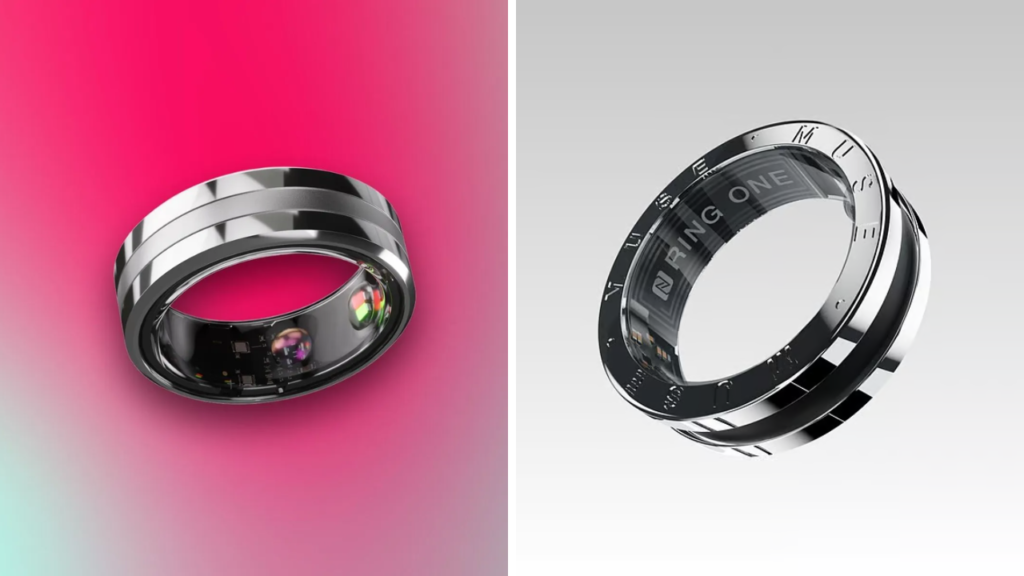
A new smart ring that can measure blood pressure without the need for a cuff could be a major step forward in personal health monitoring. It is designed to read a person’s blood pressure directly from the finger, rather than from an inflatable cuff on the arm the way traditional blood pressure monitors do. This could enable users to easily monitor health trends on a daily basis all day long without having to lug around a separate medical device.
 LG Monitor Software Installation Through Windows Update Makes Driver Setup Easier Than Ever
Smart rings are already popular for monitoring sleep, heart rate, movement, stress and recovery. Monitoring blood pressure would also add to the category’s utility for those who want a broader take on their cardiovascular health. But users should check the accuracy, regulatory status and availability of any new device before relying on readings.
 Apple iPhone 18 Pro Release Date Leak Reveals New Details Alongside Latest EU AirPods Rule Changes
How does cuffless blood pressure monitoring function?
Regular blood-pressure metres constrict blood flow around the upper arm for a moment, and then measure blood flow as the cuff relaxes. Instead of a cuff, a smart ring may estimate the systolic and diastolic pressure with optical sensors, pulse signals and software algorithms.

The ring could track blood volume, pulse timing, heart rate and other signals taken from the finger. These measurements could then be correlated with calibration data in the software to estimate blood pressure. Some devices may require users to take a reading first with a regular cuff so the ring can create a personal reference.
 Hisense Launches A10 E Ink Phone With a Detachable LCD Display for Better Reading and Productivity
The technology is based on indirect measurements and the results may be affected by factors such as movement, placement of the ring, skin contact, temperature and circulation. Manufacturers must demonstrate repeatability of measurements between operators and in real-world conditions.
Continuous tracking can give useful health trends
A smart ring has the advantage of being able to take readings more frequently than a typical home monitor. Many people only take their blood pressure when they are at the doctor’s office or at a certain time of the day. A wearble can help to show how readings change in sleep, exercise, work, stress, recovery etc.
This can help the users find patterns that they may not have seen before. Or, for example, someone might want to know how their blood pressure varies at different points in the day or after a bad night’s sleep.
Regular monitoring can also help people have more informed discussions with their healthcare professionals. But users should not self-diagnose just by looking at wearable data. If the results are unexpected or worrying, they should be confirmed with a validated blood pressure device and discussed with a qualified health professional.
Still Matters: Accuracy and Medical Endorsement
Blood pressure without a cuff is trickier than counting steps or heart rate. Even small mistakes can influence how users perceive their own health. That’s why independent testing and approval from health regulators is so important.
Consumers should consider whether a smart ring is being marketed as a wellness product or a medical device. A wellness feature is indicative of general trends, but is not approved for diagnosis or management of hypertension. Medical-grade claims often require more rigors clinical testing and regulatory review.
If you’re taking medication for your blood pressure, don’t adjust your dose based on a reading from a smart ring. Traditional upper-arm devices remain the most recommended for home blood pressure monitoring, particularly when accurate readings are used to guide treatment decisions.
Smart Rings Might Have Bigger Role in Preventative Care
If cuffless monitoring proves accurate and gains broad acceptance, smart rings could play a bigger role in preventive healthcare. They are small and may be easier to wear all the time compared to watches or other bulky medical devices. The battery also lasts long enough for overnight and multi-day tracking.
Future models might include blood pressure data in addition to sleep quality, heart rhythm, activity, temperature and stress data. This may allow a more comprehensive view of the impact of lifestyle habits on cardiovascular health.
The technology is promising, but its real value will depend on accuracy, comfort, privacy protection and clear guidance on how the readings should be used. But until these standards are reached, cuffless smart rings should be treated as supportive tracking devices, and not replacements for professional medical testing.
Sources
- U.S. Food and Drug Administration – The FDA has official guidance on body-worn medical devices, health monitoring technology, product approvals, safety requirements and the evidence required to back up medical claims.
- American Heart Association – The American Heart Association is a source of reliable information regarding blood pressure measurement, hypertension, home monitoring, cardiovascular risk and recommended testing methods.
- World Health Organisation – The WHO offers worldwide health counsel on health topics such as hypertension, prevention of cardiovascular disease, early diagnosis, and the need for adequate blood pressure measurements.
- Nature Medicine – Nature Medicine publishes peer-reviewed research in digital health, wearable sensors, remote patient monitoring, and new technologies for measuring cardiovascular indicators.
- IEEE – IEEE publishes technical research on wearable electronics, optical sensing, biomedical engineering, signal processing and cuffless blood pressure measurement systems .
