Microsoft Reveals Project Solara, a New Android-Based Platform

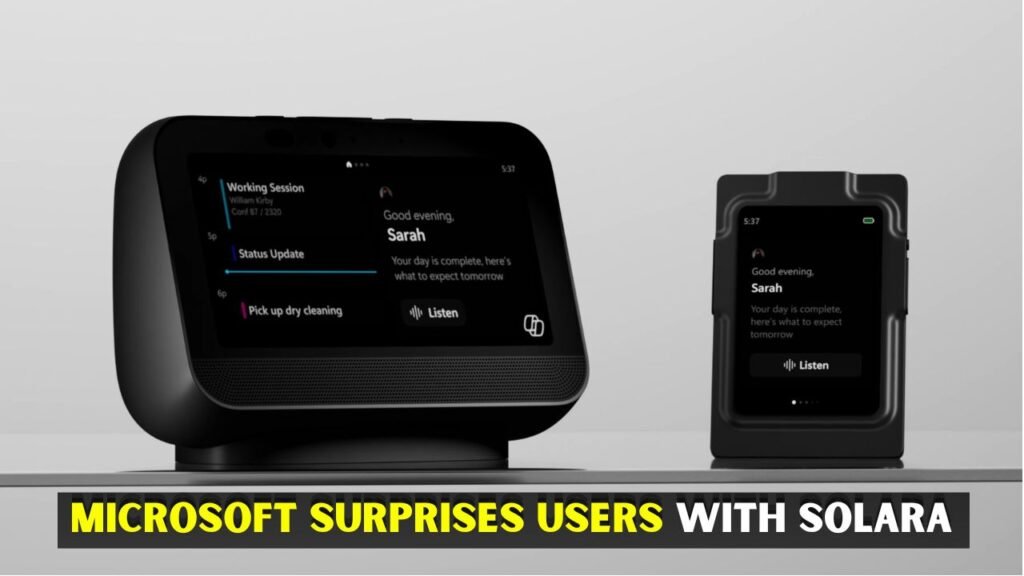
Microsoft has announced Project Solara, a new Android platform for the next gen of AI devices. Solara is designed not for normal apps, but for AI agents that can comprehend requests, execute tasks, and move between services. The platform isn’t offered as yet another phone operating system. It’s more like a base for smart workplace gadgets, small displays, badges and other devices that may need voice, camera, identity and cloud support. This kind of system can help companies make devices in which people speak to an agent and get work done faster, Microsoft says. It runs on Android technology, so it can operate on lighter hardware, but Microsoft can still layer on its own security, management and enterprise tools. Project Solara is proof that Microsoft wants to make a strong statement in the future of AI-first hardware. It may become a bridge between people and intelligent machines in the workplace.
 Roku Increases Streaming Hardware Prices Again With New Lineup Changes Affecting Millions of Users
What Is Project Solara?
Project Solara is a platform for devices with AI agents as the primary interface. The user may not need to open many apps, search through menus or move between different screens. This idea is that an agent can listen, understand the task, find the correct service and provide a useful result. Microsoft is building this platform on an Android base but is adding enterprise features, device control, cloud connection and safety layers. That makes Solara appealing to companies that want managed AI hardware, not just consumer gadgets. It can allow new device form factors such as desk displays or wearable badges where fast answers and automatic actions matter more than old-fashioned app icons. It also supports future use cases for the workplace.
- It is built for devices with AI agent.
- Platform on which runs an Android.
- It’s all about just getting the job done.
- It helps in managing business devices.
- It can run on new types of hardware.
Why Project Solara Is Different
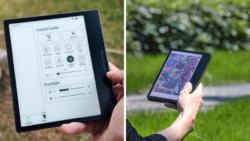
The biggest change in Project Solara is that it is agent-first. In mobile systems as usually deployed, the apps are the heart of the experience. The AI agent focuses on Solara. Less tapping The agent can take commands, gather information, prepare summaries and push work forward. This is important as many workers use many tools during the day. A useful agent can cut that switch and speed up simple tasks. For example, a badge device might capture a meeting note, while a desk device might show answers or reminders. “We built the platform so those things feel like they are natural, safe and attached to business services. It can also help teams save time on recurring office workflows and day-to-day communication tasks.
- It moves the focus from apps to agents.
- Can reduce hand switching screen.
- It might be good for meetings and office work.
- Integrates with business services.
- It makes AI feel more in the moment and useful.
Benefits for Businesses and Developers
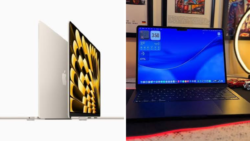
Project Solara can be very important to businesses because it’s designed for management and security. Companies typically want devices they can control, update, protect and connect to trusted accounts. That might not be enough for an average consumer device. Solara offers Microsoft a way to deliver AI hardware support on an Android base that can run on smaller chips and lower power devices. This can help hardware partners build products faster, as they don’t have to start from scratch. It also helps IT teams manage AI devices with the familiar Microsoft tools, policies and identity systems. Today, this balance of flexibility and control can be more useful for offices than a simple smart speaker on its own.
- It’s easier to manage devices for businesses.
- Developers are able to create agent-based experiences.
- Hardware partners can prototype new device concepts.
- Security and policy controls that IT teams can use.
- Workers can do simple tasks faster.
Future Challenges for Project Solara
Project Solara is still in an early platform stage, so don’t expect a ready phone replacement or a finished consumer product immediately. The concept devices presented by Microsoft are primarily reference examples for developers, partners and companies. It’s their job to show what an AI-first device could be. Solara’s future success will be driven by privacy protection, useful agents, strong hardware partners and clear real-world value. People may like the speed of agent devices, but they will ask how cameras, microphones, face recognition and meeting transcripts are handled. Microsoft needs to show Solara can be useful without being unsafe or confusing. If it works well, it could create a new class of workplace AI hardware products.
Final Verdict
Project Solara shows Microsoft’s vision for an AI-first device future. It’s not just Android, or little gadgets, it’s about changing the people’s relationship with technology. Instead of opening many apps, users could interact with useful agents that know tasks and act faster. The platform can bring control, security and new hardware ideas to businesses. “But the key to success will be privacy and real usefulness.” If Microsoft gets these right, Solara could be a huge piece of the next wave of computing for today’s offices, developers and device makers.
