
Apple to Raise Prices as Memory Chip Costs Surge


Why are Apple prices increasing?
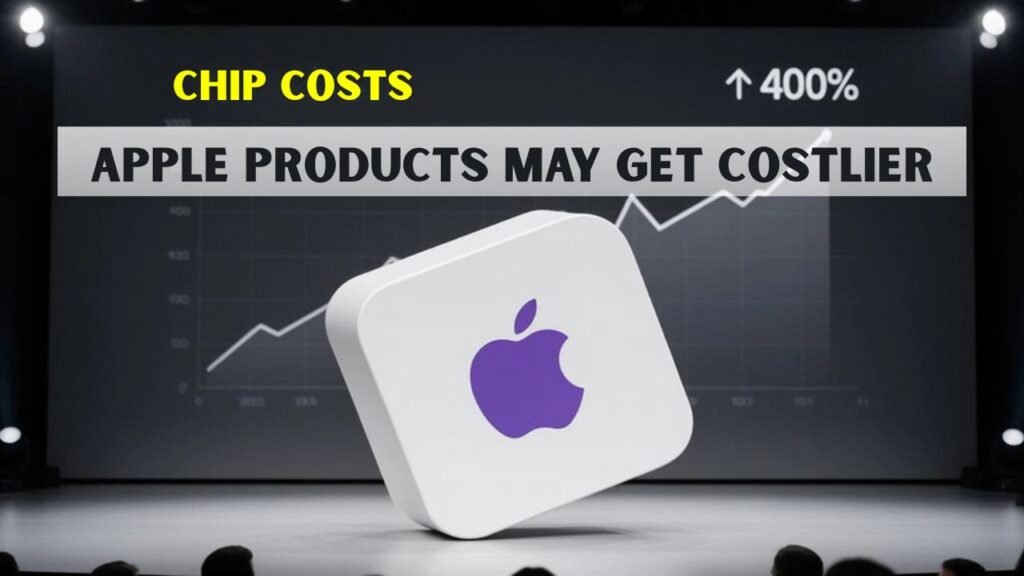
Apple’s products rely heavily on memory and storage chips, which are becoming more expensive now as global demand outstrips supply. Consumer electronics brands are facing rising costs and tighter availability as AI companies, cloud providers and data centres snap up huge quantities of memory chips.

- Memory chips are crucial to iPhones, iPads and Macs.
- AI data centres are driving demand for advanced memory.
- “There’s limited supply, so chipmakers have pricing power.
- Apple might have to watch the profit margins.
How Do Memory Chips Impact Apple Devices?
Memory chips directly affect how well a device performs, how much storage it has, how quickly apps load and how well it can multitask. iPhones, MacBooks and iPads all rely on advanced memory to handle photography, gaming, AI features and professional apps. And the price of chips goes up and the overall manufacturing cost of each Apple product goes up.

Which Apple Devices Might Get Pricier?
The biggest impact may be on products with larger storage options or higher memory configurations. The first to see price increases could be premium iPhones, MacBook Pro laptops and iPads and future AI-centric devices because they use more advanced and expensive memory components.

- iPhone Pro models may feel additional price pressures
- Higher RAM MacBooks might come. More expensive.
- Prices for iPads used for creative work could change.
Why AI is driving chip demand
Artificial intelligence systems need a lot of computing power and fast memory to process huge amounts of data. Big tech companies are building more AI servers, and these servers need advanced memory chips. This sudden demand puts AI infrastructure in competition with consumer electronics makers.
Will iPhone buyers take the worst of it?
Apple sells millions of phones every year, and a small increase in component costs can be a big deal, so iPhone buyers could feel the price bump. Higher storage models can be especially expensive. More users are opting for larger-capacity phones to store photos, videos, apps and AI features.
- Base iPhone models saw smaller increases.
- Pro models may see even bigger price hikes.
- Storage options on the higher end can be much more costly.
- Trade-in deals could become more important for buyers.
Will Apple Offset the Increased Costs?
Apple has deep pockets and long-term supplier relationships, but it might not be sustainable to absorb rising chip costs on a going-forward basis. “If memory prices stay high, Apple will have to either cut into its profit margin or raise prices.” A premium brand may want to retain control over price increases.
So what does this mean for Apple’s market?
Such price hikes may impact consumers’ buying decisions, especially in markets where Apple products are already expensive. Some buyers may opt for older models, or wait for upgrades, or choose lower storage. But Apple’s loyal customer base and strong ecosystem may help the company to deal with demand under price pressure.
- Upgrade cycles may lengthen.
- Older iPhones could become popular.
- Buyers may favour base storage versions.
- Apple’s services ecosystem means lower switching costs.
- Premium users will still be charged for performance.
Will Apple continue to raise prices?
Apple could keep lifting prices if the supply of memory chips stays tight and the demand tied to AI continues to grow. The ultimate impact will depend on supplier capacity, global chip production and Apple’s pricing strategy. For now, buyers can expect memory costs to remain a big part of the pricing of future Apple products. AI demand may keep the pressure on chip supply, storage-heavy devices may remain costly, Apple may adjust prices over time and future launches could reveal the full impact.
