
Marathon Season 2 Launch Hits Trouble After Server Problems

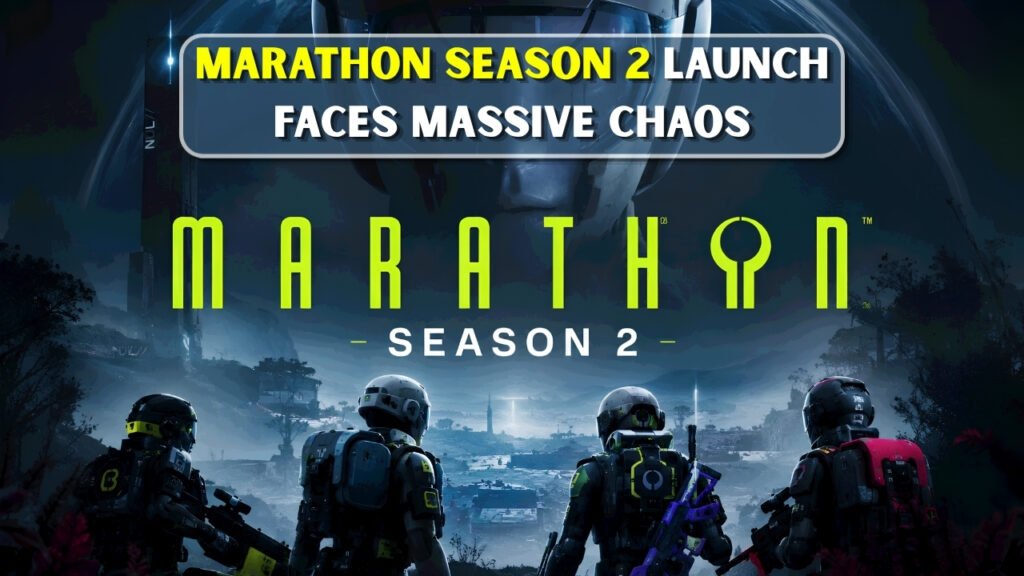
Players everywhere were just dying for Marathon Season 2 to finally drop. We all expected a huge release bringing brand new maps, reworked ranked playlists, and those highly demanded game changes. Everyone did the usual routine—waking up early, pre-loading the massive files, and hanging out in lobbies ready to drop in. But that hype hit a brick wall almost instantly. Instead of checking out the new arenas, millions found themselves staring at frozen loading screens and weird error codes. The developers had heavily hyped their upgraded backend, promising a buttery-smooth transition. Reality hit hard. The servers completely buckled under the sheer weight of returning veterans and new players, turning what was supposed to be a huge celebration into a totally unplayable mess.
Massive Player Surge Leads to an Instant Crash
The marketing team honestly did too good of a job building hype. When the floodgates opened, the simultaneous login requests hitting the database were beyond what the architecture could handle, instantly kicking thousands back to their desktops.

- Millions of eager players hammered the login button at the exact same time worldwide.
- The core authentication servers melted down within minutes of the update going live, completely unable to process the massive queue.
- Cryptic error numbers and infinite connecting loops became the only actual gameplay anyone experienced.
- Twitter was immediately swamped with screenshots of broken menus and salty complaints.
- Even big-name streamers were left awkwardly looking at static title screens.
Apologies, Panic, and the Endless Maintenance Mode
It didn’t take long for the studio to realize that things had gone terribly wrong and rushed out apologies. They hit the emergency brake, putting the game into extended maintenance as engineers scrambled desperately to stabilize things.

- Community managers worked overtime to post rapid updates for a furious player base.
- What was supposed to be a quick fix stretched painfully deep into the early morning hours.
- Engineers found a nasty database bug actively blocking valid accounts from joining the server queue.
- They had to heavily throttle server access, letting tiny batches of players trickle in just to keep things from crashing.
- The developers eventually promised digital compensation to smooth over the massive inconvenience caused.
Broken Battle Passes and Disabled Store Fronts
Even if you were lucky enough to dodge the login queues, the game itself was barely holding together. Because the client couldn’t communicate with the central databases properly, core features like the new battle pass were completely unresponsive.

- The heavily advertised premium progression track was stuck at zero no matter what you did.
- People understandably freaked out when they logged in only to find their weapon inventories temporarily wiped out.
- Matchmaking was completely busted, throwing high-ranking veterans into lobbies with complete beginners and ruining the balance.
- In-game voice chats were stuttering and cutting out, making it impossible to coordinate with your squad.
- Real-money transactions and the cosmetic store were disabled entirely to prevent lost cash.
The Ripple Effect on Esports and Major Sponsorships
This wasn’t just annoying for casual players; it totally derailed the professional scene right when it should be peaking. Major tournaments had built their schedules around this launch, and unreliable network conditions forced organizers to delay massive events.
- Top-tier esports organizations had to abruptly cancel their weekend showcase tournaments due to the horrible lag.
- Pro players took to social media to blast the developers for skipping essential stress tests.
- Content creators lost out on crucial day-one viewership because they couldn’t physically record new footage.
- Early competitive leaderboards lost all integrity due to random disconnects right in the middle of ranked matches.
- Sponsorship activations tied specifically to the launch day hype ended up losing tons of momentum and reach.
Hard Lessons Learned About Modern Cloud Infrastructure
If there’s anything to take away from this disaster, it’s that running a live-service game requires bulletproof testing. The studio is going to have to seriously rethink how they handle big patch days if they want to avoid repeating this exact nightmare.
- They really need to utilize public test servers so players can help find database bottlenecks early.
- Rolling out the update in staggered regional phases would stop the servers from getting slammed simultaneously.
- It’s painfully obvious their current cloud architecture needs an upgrade to handle dynamic scaling under heavy loads.
- We definitely need better communication tools built directly into the client so we aren’t relying on social media.
- Handing out generous apology packages is pretty much mandatory at this point to repair their damaged community relationship.
Summary
At the end of the day, Marathon Season 2 is going down in history for all the wrong reasons. Instead of everyone talking about the cool new maps or weapon balance changes, the entire conversation is just about how spectacularly the servers failed. While the engineering team deserves credit for pulling an all-nighter to finally get things somewhat stable, the damage to the game’s reputation is already done. Now, the studio has a massive uphill battle ahead of them. They don’t just need to fix the lingering technical bugs; they need to genuinely earn back the trust of a very annoyed community. It’s a harsh reality check for the whole industry.
