
Treasury Department Stops $99 Million in Payments Sent to Dead People

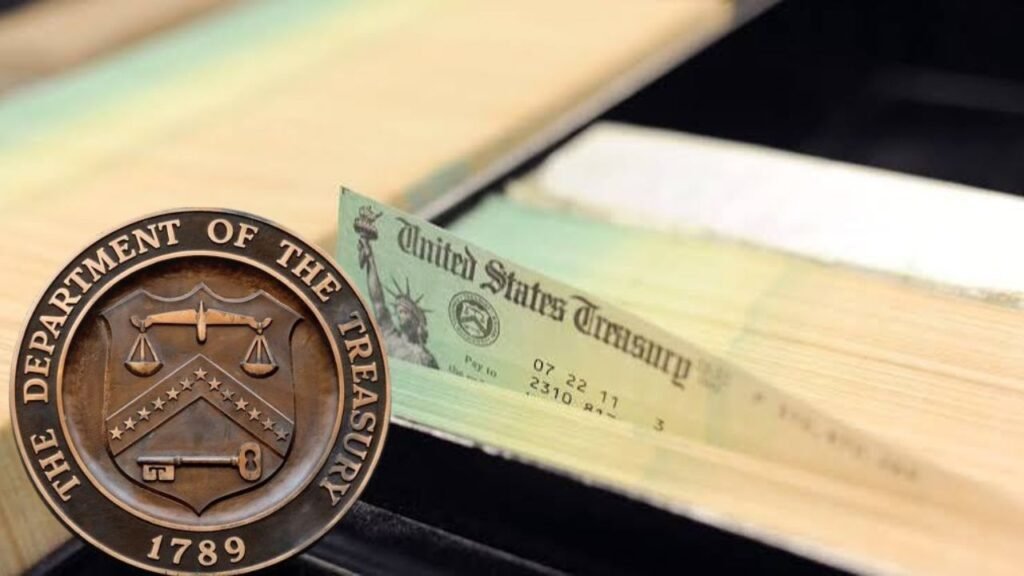
The Treasury Department Stops $99 Million in Payments Sent to Dead People project is among the latest initiatives by the U.S. government to prevent inappropriate public spending. A new government-wide payment verification mechanism has saved about $99 million from going to dead people, Treasury officials said. The control examined hundreds of millions of federal transactions before money left government accounts, underscoring a broader effort to improve payment integrity and safeguard public cash.
 OnePay Launches $50000 Personal Loans as U.S. Credit Applications Reach Highest Level in Years
Thousands of improper payments blocked by new verification system
The Bureau of the Fiscal Service has reviewed more than 885 million federal payments totalling approximately $2.77 trillion since the verification process began in response to Executive Order 14249, according to the U.S. Treasury Department.

The analysis uncovered more than 4,900 payments involving deceased payees totalling roughly $99 million in suspected unlawful payments. Treasury directed the payments back to the source federal agencies for further assessment before any money was disbursed, rather than disbursing the monies.

The new safeguard helps eliminate fraud, waste and abuse across government programmes while strengthening the integrity of the federal payment system, Treasury Secretary Scott Bessent said.
 Supermicro Stock Jumps After Company Raises Gross Margin Outlook and Highlights $60 Billion Backlog
How the Programme Functions and Why It’s Important
The verification system uses the Department of the Treasury’s Do Not Pay programme and expanded access to the Social Security Administration’s Full Death Master File to help agencies identify deceased recipients before payments are made.
This extended access was made permanent under the Ending Improper Payments to Deceased People Act, which authorises the Treasury to continue utilising detailed death records to screen government payments. Lawmakers said the programme is expected to save an estimated $330 million over time by avoiding future illegal payments.
Previous pilot testing has also demonstrated measurable results. The Treasury had previously reported stopping and recovering more than $31 million during an initial five-month pilot, and later government evaluations determined the broader initiative provided substantial financial benefits and a strong return on investment.
Impact of Government Spending and Oversight
This is not a corporate earnings release. It has nothing to do with stock performance or revenue or quarterly financial results. Rather, it is a sign of improvements in the federal financial management.
As politicians seek greater responsibility in the spending of the government, the reduction of improper payments has become a goal for numerous departments. In general, it’s more effective to stop payment before the money leaves the Treasury than to try and collect money that’s already been paid out.
What is the Next Steps?
Treasury officials say they will continue to ramp up efforts to verify payments while modernising federal payment systems. Other enhancements are expected to include more tools to identify fraud, better data integration and continued collaboration with the Social Security Administration.
Congress and oversight agencies will certainly continue to examine the performance of the programme, especially in terms of whether taxpayers realise the anticipated savings in the next several years. Officials expect to see even more improper payments eliminated across government programmes as more federal payments are screened before they are made.
Sources
U.S. Department of the Treasury – Official announcement, verification process for payments, 885 million payments examined, $99 million blocked, Treasury statement.
Reuters – Verified official release, policy impact and remarks from Treasury Secretary.
U.S House Ways and Means Committee – Description of the Ending Improper Payments to Deceased Persons Act and estimated taxpayer savings.
GAO – Independent review of savings and return on investment from pilot programme.
AP – Background on previous Treasury pilot for recovering incorrect payments, accessing Death Master File.
