
Social Security Gender Gap Leaves Women Receiving About $4800 Less Each Year Than Men

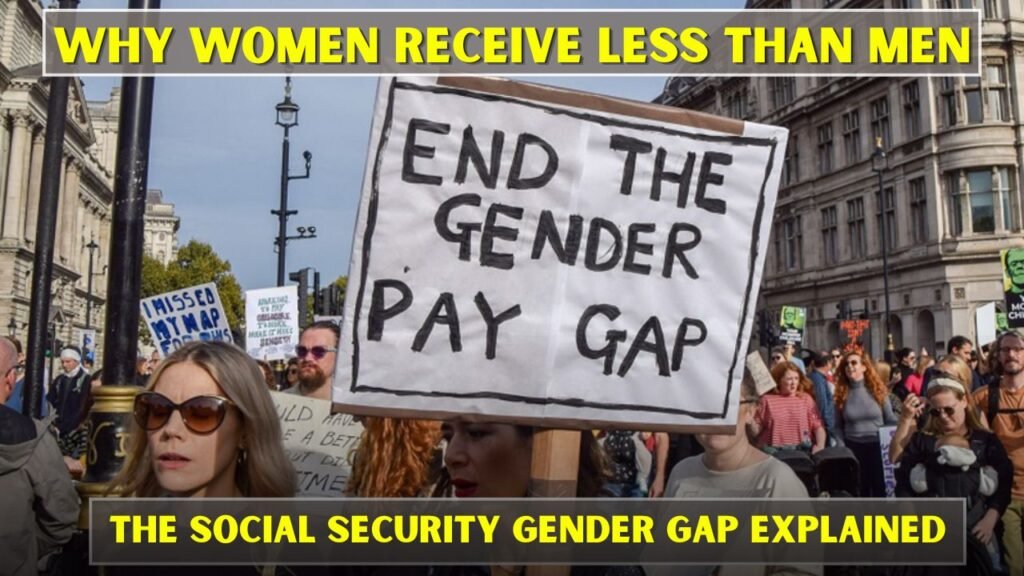
Social Security Gender Gap continues to be a major financial concern for millions of retirees in the United States, with women receiving about $4,800 less each year than men. Studies have also shown that women depend on Social Security benefits more than men do, but they receive much less per year on average. Recent analysis of Social Security Administration data and AARP research shows women get about $4,800 a year less than men, largely because of lower lifetime earnings, breaks in careers to provide care and longer life expectancy. This gap can make retirement more difficult for many women, especially those who rely primarily on Social Security for their monthly income.

Understanding why this difference exists is important to retirees, future beneficiaries, students of public policy, and all those who are planning for retirement. Social Security provides income security after retirement; benefit calculations are based on a worker’s highest 35 years of earnings. Thus, the wage differential and the years out of the labour market have a direct effect on future retirement benefits. Understanding the reasons, benefits and how to maximise Social Security will help people to make smarter financial decisions.

Latest Update on the Social Security Gender Gap Benefits
For the most recent year for which data are available, 2026, women’s average Social Security retirement benefits are about $4,800 less per year than men’s. Average women now receive an estimated $1,800 a month, compared with more than $2,200 for men, although actual benefits depend on earnings history and the age at which people retire.

The disparity in benefits, financial experts say, is the result of decades of wage differences, not differences in Social Security rules. This is especially true for retirement planning because women still account for more than half of retired Social Security beneficiaries.

Reasons Behind the Benefit Gap for Women
There are several economic and workforce factors that separate retirement benefits for men from those for women.
- Women earn less over their lifetime on average.
- Many women take long leaves of absence from their jobs to care for children or other family members.
- Career breaks reduce the number of high earning years used to determine Social Security.
- Women with caregiving responsibilities are more likely to be in part-time work.
- Women, on average, live longer, so their retirement savings and Social Security benefits need to last longer.
All these factors, even though Social Security uses the same benefit formula for all eligible workers, tend to lower average retirement benefits.
Important Documents and Retirement Planning Tips for Social Security
If you are applying for Social Security retirement benefits or checking your account, it is helpful to have several documents on hand.
- Social Security Number. (SSN)
- Government ID
- Birth Certificate
- Work History
- Earnings history
- Tax Documents if applicable Bank Details for Direct Deposit.
- Tax Documents if applicable Bank Details for Direct Deposit.
If you are applying for survivor or spousal benefits, you will also need marriage or divorce records
Ways to Reduce the Impact of the Social Security Gender Gap
The reasons for the gender gap start to become clear as you move through a career, but there are concrete things you can do to increase your retirement income.
- Delay benefits (if you can afford to) to get larger payments.
- Check earnings records regularly and correct errors.
- Check to see if you qualify for survivor or spousal benefits.
- Save for retirement regularly in accounts such as 401(k)s and Individual Retirement Accounts.
- Create a long term retirement budget (living expenses + health care expenses).
Financial planners frequently suggest topping up Social Security with your own retirement savings. It can offer you added financial security for the long haul.
Key Takeaways About the Social Security Gender Gap
The gender gap in Social Security remains a major retirement issue because women are more dependent on the programme, yet still receive substantially lower average benefits. The estimated annual gap of about $4,800 reflects long-standing differences in lifetime earnings, caregiving responsibilities and workforce participation, not different benefit rules. By understanding how Social Security calculates retirement benefits, reviewing earnings records regularly, and making smart claiming decisions, future retirees will be able to maximise their retirement income. The best way to improve retirement financial security is still to stay informed and plan early.
