
Mortgage Interest Rates Hold Near 6.3% as Fed Keeps Policy Steady

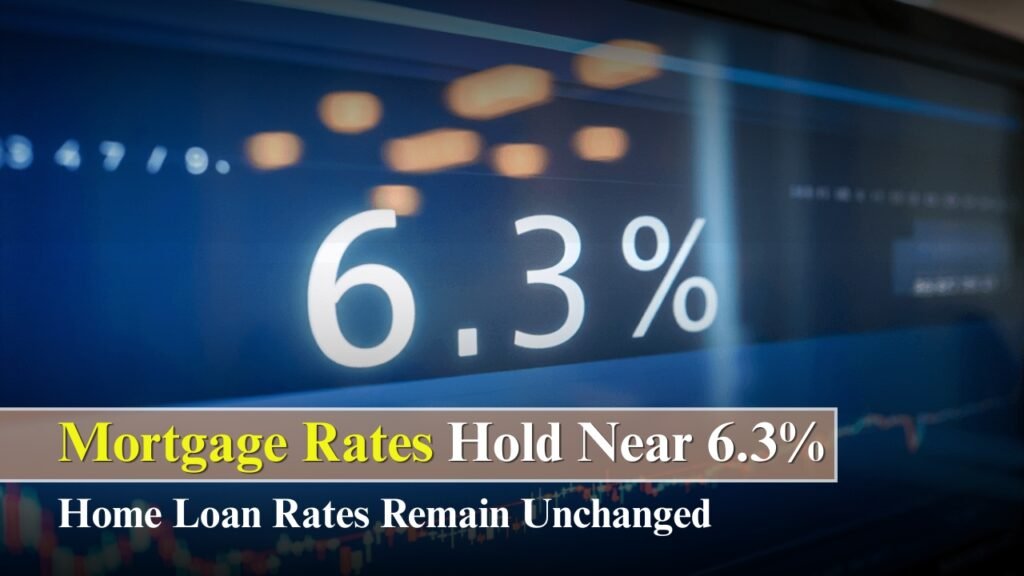
Mortgage interest rates are still close to 6.3 percent, which is both good and bad news for home buyers. The rates are not astronomical, but they are not low enough to make homes feel affordable. The Fed kept its policy rate steady and signalling a cautious approach on inflation, jobs and broader economic pain. That means buyers may continue to see high monthly payments, especially at a time when home prices and insurance are already high. Higher borrowing costs also hurt sellers, who may face weaker demand from buyers. But a steady rate is easier to plan for than a market where rates jump by the week. If you have good credit, are willing to shop around and can put down more, you may find some deals. In summary, the market has cooled off, but affordability continues to be an issue for many families. Good advice can also save buyers from costly mistakes down the line with payments.

Why Are Mortgage Rates So High
Mortgage rates hold steady as lenders look for more economic signs The Fed doesn’t set mortgage rates, but its policy decisions affect bond yields, lender confidence and borrower expectations. When the Fed tweaks its benchmark rate, banks rarely veer off course all at once. Inflation is still a real threat and lenders may not be keen to lower rates. At the same time, the housing slowdown can limit how much rates can go up. “So it’s a balanced market but it’s a tough balance for buyers. “Loans are still expensive, but there is no panic in the market. For most borrowers, the best move is to monitor rates, improve their credit and compare lenders before signing on the dotted line.

Impact on Home Buyers
Mortgage rates in the mid-6% range can have a real impact on the monthly payment for homebuyers. Even a small change in the rate can make a difference in how much you pay for a home loan. Buyers need to think about more than just the cost of the house, but the total price, including taxes, insurance and fees. Sure, steady Fed policy can help cushion sudden shocks, but it doesn’t necessarily make housing cheaper. Budget-conscious consumers will have to temper expectations, downsize or save more. Better credit scores can get you better deals. Shopping around with a few lenders can be cost effective and increase your confidence in your loan. A preapproval also gives buyers a clear idea of their real budget before they make offers.

What Sellers and Homeowners Should Know
Mortgage rates are high and steady, putting pressure on both sellers and existing homeowners. If buyers are putting up a lot of money in monthly payments, they may negotiate harder or wait to buy. This may translate to slower sales, longer listing times and more flexibility on price in some instances. Homeowners who have locked in low rates may not want to sell, because a new mortgage could be much more expensive. This is called the lock-in effect, and it can reduce the supply of housing. And if you’re considering a refinance, you may require a little patience as current rates may not be a huge savings. Even with high borrowing costs sellers will need to price realistically, present their properties well and be flexible on terms to attract serious buyers. Today’s local market research is so much more than pricing by gut feeling.

Smart Things To Do Before You Get a Mortgage
Watch out for taking out a mortgage in this rate environment and consider long-term affordability. Getting pre-approved for your home loan is just the beginning. You want to be sure you will be able to make those payments for years to come. Buyers should calculate their monthly payments based on current rates, but also think about how their budget will handle repairs, job changes or higher cost of living. With a fixed-rate mortgage, you can lock your payments in. The shorter the loan the higher the monthly payments but less interest is paid. It is also good to compare the first offer you get to others before accepting it. Often the best mortgage is the one that matches your income, savings, risk tolerance and future plans. A higher rate can be easier to manage over time with a little planning.
Final Verdict
Mortgage rates are hovering around 6.3% indicating a steady housing market but many buyers still face an uphill battle. The Fed’s steady policy offers some predictability, but does not relieve pressure on affordability. Buyers should consider credit, savings, lender comparison and realistic budgeting. Pricing your house Sellers need to be careful and understand the limits of buyers Homeowners have to watch out for moving and refinancing. This is a market where snap decisions count for less than patience and planning. A smart mortgage can save you money for years to come and lower financial stress down the line.
