
AbbVie Announces $10.9 Billion Apogee Therapeutics Deal in Major Pharma Move

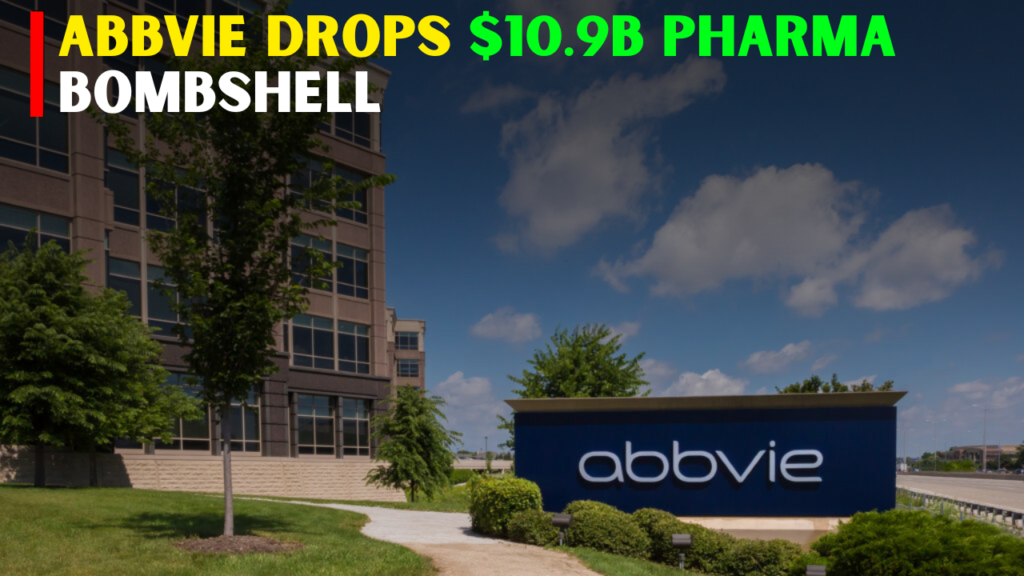
AbbVie Announces $10.9 Billion Apogee Therapeutics : AbbVie proposes to buy Apogee Therapeutics in one of the biggest pharma deals of the year, valued at roughly $10.9 billion. The transaction illustrates the heated struggle among large drugmakers for potential immunology assets as existing blockbuster drugs face competition from rivals and looming patent expirations. “This is not just an acquisition for AbbVie. It’s an easy call to reinforce a business sector that has been crucial to the company’s identity and future success for years.
Apogee Therapeutics Acquisition
AbbVie’s Apogee Therapeutics acquisition adds pipeline of experimental immunology and inflammatory disease treatments. Under the terms of the deal, AbbVie will acquire all outstanding shares of Apogee at $135.11 per share in cash. The boards of both firms have approved the acquisition, which is contingent to shareholder and regulatory approvals and is slated for completion in the third quarter of 2026. The purchase is for Apogee’s primary medication candidate zumilokibart, or APG777, which is being developed for atopic dermatitis and other inflammatory diseases.

Immunology Portfolio Optimisation
For nearly 20 years, AbbVie has been a pioneer in immunology. Humira’s success has helped made the business one of the industry’s most prominent names. Biosimilars are taking away market share from Humira, which is why AbbVie is trying to lean on other drugs, such as Skyrizi and Rinvoq.

The Apogee transaction is a part of that bigger plan. AbbVie is aiming to uncover medications that can drive growth over the next decade, especially in areas where it has clinical, marketing and regulatory expertise. Apogee acquisition gives AbbVie fresh expertise in dermatology, respiratory disease and other immune related disorders.

This is essential as immunology remains a vast and competitive market. But those with eczema, asthma and other inflammatory illnesses still need better choices. Many treatments today work well for some, but not for others. Some others have to be taken on a regular schedule and this may be problematic for folks over time.
zumilokibart driven agreement
This offer is drawing attention for the cause of zumilokibart. It’s a long-acting antibody that lowers IL-13, a protein associated with type 2 inflammation. This inflammation lies at the heart of atopic dermatitis, asthma and associated illnesses.
Itch, skin irritation, sleep disturbance and poor quality of life are all frequent patient-reported outcomes in atopic dermatitis While biologic therapies today have improved management, there is still an opportunity for drugs that provide robust outcomes with less frequent administration. Apogee’s clinical studies suggest that zumilokibart has the potential to provide meaningful skin clearance and itch alleviation in patients, with added flexibility in maintenance dosing.
If later-stage trials confirm the early promise, that convenience might be a big selling factor. “In a market where many drugs are dosed more frequently, a therapy that could be dosed quarterly or even semi-annually would be a differentiator.”
Sale Terms
The AbbVie offer values Apogee at approximately $10.9 billion. The offer is a significant premium for Apogee stockholders at $135.11 a share in cash, and says a lot about how much big pharma values advanced immunology pipelines these days.
The firms expect to close the transaction in the third quarter of 2026. To make it happen, the transaction needs the permission of Apogee shareholders and the favour of regulators. AbbVie said the purchase is expected to be accretive to adjusted earnings per share commencing in 2032.
That is a long period and that says a lot about the nature of drug taking. Even the finest drugs have to go through bigger research, regulatory approval and finally market competition. AbbVie is hedging its bets, betting on Apogee’s pipeline to churn out big income in the latter half of the next decade.
Immunology | About AbbVie
AbbVie’s immunology business continues to be a major growth driver. Humira’s loss of exclusivity in the U.S. hindered the business’s attempts to shift momentum to other treatments. This effort is now focused on Skyrizi and Rinvoq.
AbbVie is not leaving immunology, as the Apogee deal demonstrates. Instead it is doubling down The organisation here understands medical networks, patient demand and the payment scenario. This makes Apogee a strategic match, not a blind dive into unknown market.
AbbVie has a chance to dig further in respiratory immunology. Apogee also is exploring a combo approach for asthma, APG273. If successful, it would give AbbVie a firmer footing in a market that dovetails with its overall inflammation strategy.
About Apogee Therapeutics
Apogee is a clinical stage biotech startup investigating biologic therapeutics for inflammatory and immunological illnesses. Its effort is aimed at improving efficacy and convenience for patients.
The company’s programmes are directed at well-known disease pathways, but using antibody engineering to extend half-life and reduce the frequency of dosage. One of them was AbbVie’s swift action. In a busy field, a blend of convenience and durability could be as relevant as headline efficacy.
What next?
The agreement is now on the approval track. Shareholder votes, regulatory scrutiny and any new clinical data from Apogee’s projects will be on investors’ radars. The largest question, the question for the long haul. Can zumilokibart perform in Phase 3 tests and eventually compete with existing drugs?
AbbVie’s acquisition is bold, but it’s also a natural move. It preserves the company’s immunological strength and develops on new assets that could provide income into the 2030s. The purchase offers Apogee’s pipeline the backing of a multinational pharmaceutical company with the size to run large trials and get products to market.
AbbVie’s $10.9 billion sale of Apogee sends a clear message: The next generation of immunology drugs is already on the race track, in a market where patent cliffs could rapidly shift the fortunes of even the strongest competitors.
