
NYC Weather Turns Dangerous as Extreme Heat Triggers Emergency Plans

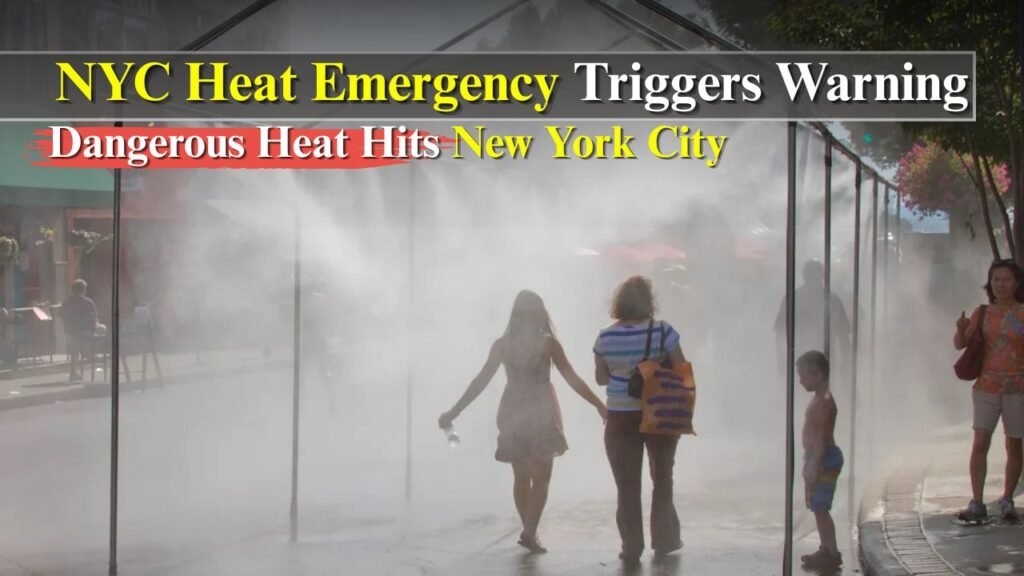
NYC Weather – Emergency Response Plans Activated For Dangerous Heat New York City is getting ready for a dangerous heat wave that has led city and state officials to activate emergency response plans. Dangerously high humidity and temperatures are increasing the risk of heat-related illnesses, especially for older adults, children, outdoor workers and people with chronic medical conditions. Officials are advising people to stay hydrated and in the shade during the hottest part of the afternoon and to take advantage of cooling centres being set up in all five boroughs. The National Weather Service also cautioned that potentially dangerous heat index values could make this one of the biggest heat events of the season. If you’re in New York City, or visiting, it’s important to have the latest updates and official safety guidance.

Latest Update and Emergency Status
As temperatures are expected to reach or exceed 100°F with heat index values possibly reaching 105°F to 110°F in some areas, city officials have activated New York City’s Heat Emergency Plan. Emergency agencies are coordinating with the National Weather Service, public health officials and utility providers to reduce the dangers from the severe weather. Cooling centres have opened citywide and public safety messages continue to encourage residents to check on vulnerable neighbours and limit outdoor exposure to only essential activities.
How to Check Heat Emergency Updates
- Check the National Weather Service web site.
- Look for the latest heat advisories or Extreme Heat Warnings.
- Call NYC Emergency Management for local emergency notices.
- If you need an air conditioned location, please use the official Cooling Centre Locator.
- If you do not have internet access, call 311 for assistance.
- Follow local emergency alerts during the day as situations can change.
Important information for residents
Extreme heat can become life threatening in a short period of time, especially when overnight temperatures remain unusually warm. Health officials recommend drinking water frequently even when not thirsty, wearing light clothing, staying in air-conditioned buildings as much as possible and avoiding heavy physical activity during the hottest part of the day.
 New York Thunderstorm Warning Issued as Severe Storms Move Across Central and Northern Areas
Also residents are encouraged to check on elderly relatives, neighbours and those who live alone. • Do not leave children or pets in parked cars, even for a few minutes, as temperatures can rise quickly. If you are experiencing symptoms such as dizziness, confusion, fast heartbeat, or loss of consciousness, call emergency medical services immediately.
- Keep drinking water throughout the day.
- Use air conditioning as much as possible.
- If it gets too hot at home, go to an official cooling centre.
- Avoid outdoor activities from late morning through early evening.
- Wear loose fitting and light coloured clothes.
- Check official weather updates regularly.
How Emergency Plans Are Protecting Communities During Extreme Heat
In New York City, the Heat Emergency Plan coordinates across agencies to minimise health impacts of dangerous heat. During heat emergencies, other cooling centres are open in libraries, community centres and other public facilities. Emergency Management teams coordinate public messaging, monitor hospital activity, conduct outreach to vulnerable populations, and work closely with utility companies to help maintain reliable electricity service during periods of increased demand.
Officials also urge residents to call 311 to report concerns about people who may need help and to leave 911 for life threatening emergencies. Monitoring of infrastructure affected by the prolonged heat continues, but public transport systems and essential services are still operating.
What Students and Visitors Should Know About Weather Conditions
Students in summer programmes, tourists visiting popular attractions and outdoor workers should plan their activities carefully around the weather forecast. It is safer to do sightseeing in the early morning or evening hours than during mid-day excursions. Carrying reusable water bottles, taking frequent breaks in the shade or air conditioned locations and adhering to official advisories can greatly reduce heat-related health risks.
Visitors to New York City who are unfamiliar with the city’s emergency services should know that during declared heat emergencies, cooling centres are open to the public. Local authorities are updating guidance as weather conditions change.
Stay Prepared During NYC’s Dangerous Heat Event
With record temperatures and dangerous humidity in the forecast, the best defence against heat-related illness is still preparation. Stay up to date with official weather reports, drink plenty of water, stay indoors when you can and use city resources as needed. Residents and visitors can safely get through this period of extreme heat by following public safety recommendations, staying aware of weather changes and helping vulnerable members of the community.
