
New York City Faces Tornado Risk This Week

Why Is NYC Susceptible to Tornadoes?
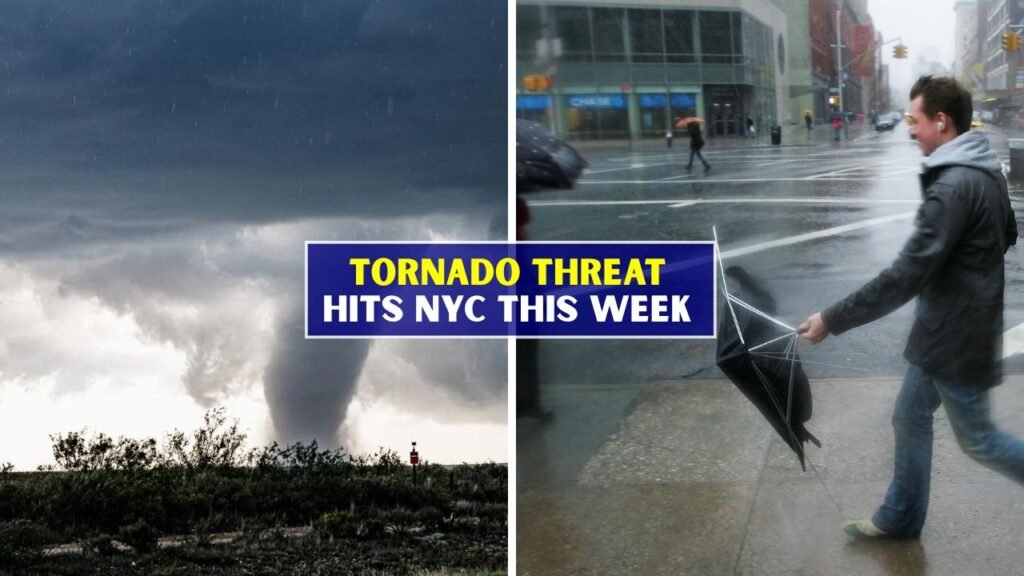
Tornadoes are dangerous; the threat is warm, moist air pooling over the region and a storm system moving into the northeast. When these ingredients come together, thunderstorms can rapidly intensify. Most storms will likely produce plenty of rain and strong winds, but a few could spin if the atmosphere is unstable enough.
- It can pull in warmer, more humid air that feeds the development of stronger storms.
- A cold front can cause storms to develop quickly.
- Wind shear can help keep the storm spinning.
- Severe weather can occur very suddenly and in a very local area.
When do storms happen?
The main storm window is expected to come in the late day and evening hours, when heat and humidity are often at their greatest. Conditions change rapidly, and residents should monitor local alerts throughout the day. Travel and outdoor activities can be dangerous during severe thunderstorms even without a tornado.
What is the tornado threat?
This threat does not imply that a large tornado outbreak is expected. For New York City, the bigger threat is usually damaging winds, heavy rain, lightning and isolated flooding. But if storms get strong, especially near the stronger cells or fast-moving lines, a brief tornado is not out of the question.
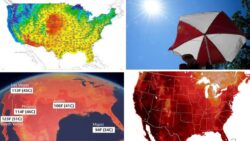
- The risk, apparently, is specific, not universal.
- The main risk is probably damaging winds.
- Heavy rain can severely reduce visibility
- Lightning can be dangerous when you are outside.
- Warnings are to be obeyed.
Can a tornado happen in New York City?
Yes, New York City can have tornadoes, but they are far less common than in some parts of the Midwest or South. Tornadoes still come from the city’s dense buildings. It’s the local storm ingredients that determine whether or not the rotation can reach the ground and do damage.
Which NYC areas will be on high alert?
All five boroughs should stay weather-aware for the window of severe storms. Gusts of wind could be stronger in coastal and open areas, and heavy rainfall could result in flooding in low-lying streets. People need to know where to go if a warning is issued, in apartments, offices, schools and transit stations.
- Brooklyn, Queens, Manhattan, Bronx, Staten Island Alert: Watch
- Walking on downpour-filled streets can be dangerous.
- Subway entrances and underpasses can fill with water.
- Outdoor events may be postponed or cancelled.
What are the residents to do?
Residents should prepare ahead of the storms, not during the warning. Cell phones charged. Flashlights checked. Loose items secured on balconies. Emergency alerts reviewed. If a tornado warning is issued, go to an interior room on the lowest level of the building, away from windows, glass doors and exterior walls.
How to Commutate safely
Commuters should expect slower journeys, sudden downpours and possible service disruptions. Heavy rain from thunderstorms can quickly create pools of water on roads and make driving hazardous. Do not stand under trees, scaffolding, or power lines during strong wind and lightning in the vicinity.
- Before you step out, check MTA and local traffic reports.
- Avoid roads and underpasses that are flooded.
- Avoid sheltering under trees during lightning.
- Keep emergency alerts on on your phone.
Why is this weather pattern dangerous?
This is a dangerous setup, as severe storms can follow a hot, humid day. Heat pours energy into the atmosphere, and different winds at different heights can help organise storms. Once storms become organised, they can produce stronger gusts, hail, torrential rain and rotation.
What should businesses and schools know?
Businesses, schools and event planners should revisit safety plans earlier. Have an indoor backup for outdoor activities in case of storms. Staff need training in how to handle warnings and keep people from windows. Good communication can prevent confusion if bad weather hits at a busy time.
- Check shelter areas before the storm hits.
- Move outdoor equipment and signs inside.
- Don’t work outside in lightning.
Will it clear later?
The storm system is expected to be moving out, and conditions will be improving, but the timing is uncertain. The cooler or less humid air behind the front will provide some relief from the uncomfortable heat. Until then, New Yorkers should take every severe weather alert seriously and be prepared.
Last thought
So don’t freak out about the tornado danger in New York City this week, but it’s something worth paying attention to. The most likely impacts are severe thunderstorms, damaging winds, heavy rain and travel disruption. “Residents can reduce risk and prepare to shelter safely by staying alert, securing outdoor items and knowing the location of shelters.
