
Waymo Recalls 3,871 Robotaxis After Software Issue

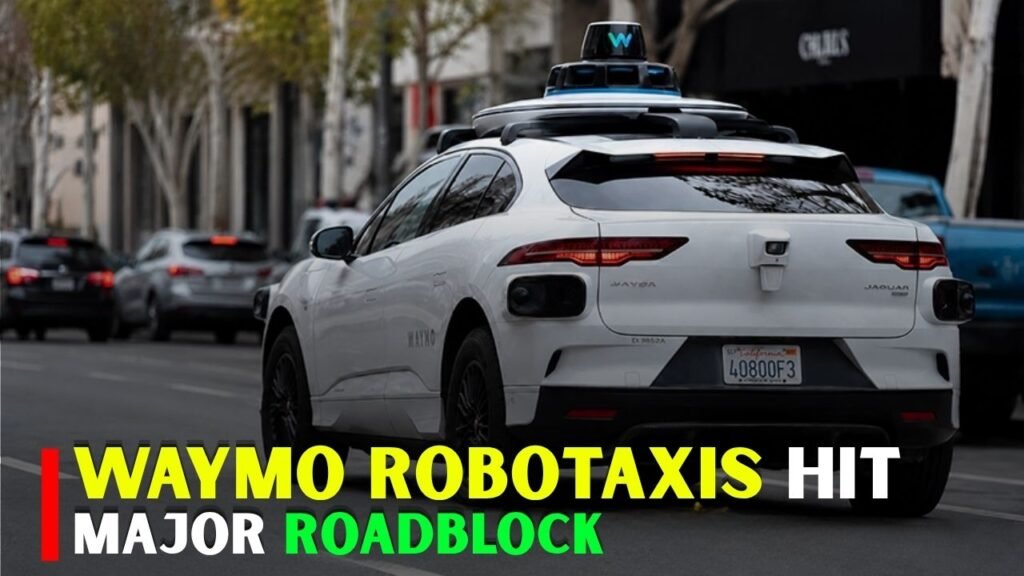
Waymo Recalls : Waymo is recalling 3,871 robotaxis in the United States after a software issue raised concerns about how its driverless vehicles respond to freeway construction zones. The recall affects vehicles equipped with Waymo’s fifth-generation automated driving system, a core part of the company’s robotaxi fleet. The issue came to light after several vehicles entered restricted construction areas on freeways in Arizona and California. While no crashes or injuries were reported, the recall has drawn attention because it involves one of the most closely watched companies in autonomous driving.

Software Issue Affects Waymo Fleet
The Waymo software issue centers on how the autonomous driving system detects and reacts to temporary road changes. In some situations, the vehicles failed to properly identify ramp closure signs, traffic cones, or active construction zones. In other cases, the system appears to have placed more importance on avoiding other freeway hazards than on staying out of a closed construction area. That created a risk that a robotaxi could continue driving at speed where workers, lane closures, or unusual traffic patterns were present.

Description of Defect/Noncompliance
The recall documents state that certain situations might allow the vehicles impacted to access and drive past motorway construction zones. That doesn’t imply every car had the problem, but Waymo had enough incidences that it considered the issue a safety fault. The obvious concern: driving at motorway speeds in a closed construction zone raises the probability of a crash.

Construction zones are hard even for human drivers. Lanes shift, cones may be placed in unexpected patterns, signs can be temporary, and traffic behavior often changes quickly. For autonomous vehicles, these areas are especially challenging because the system must understand both fixed road rules and fast-changing conditions. The recall shows how important these “edge cases” remain as robotaxi services expand into more complex driving environments.

Chronology
The first incidents reviewed by Waymo involved vehicles in Phoenix. In April, Waymo’s safety team looked at several cases where robotaxis drove past ramp closure signs and entered planned freeway construction zones. The company then placed restrictions on freeway driving while it worked on operational improvements.
A second set of incidents occurred in the San Francisco Bay Area in May. In those cases, several Waymo vehicles entered freeway lanes with active construction after driving between cones that marked a lane closure. After reviewing these events, Waymo’s safety board decided in June to conduct a recall.
The recall is voluntary, but it comes at a time when regulators and the public are watching autonomous vehicle safety closely. Waymo has become one of the most visible names in driverless transportation, and each software-related recall adds to the broader debate over how quickly robotaxi companies should expand.
Description of Remedy
Waymo’s planned fix is software-based. The company will update the automated driving system so the vehicles can better avoid entering construction zones and better detect when they are already inside one. The remedy also includes additional operating protocols.
In the interim, Waymo has put a halt to freeway driving in the affected vehicles in an effort to reduce the danger while the company completes and rolls out the update. The repair process differs from a standard consumer car recall because Waymo owns the robotaxis in question. There are no private owners who need to bring a vehicle to a dealership. Waymo can manage the update across its own fleet.
Recall Schedule
The recall filing says Waymo will update regulators once the remedy has been deployed. Because the affected vehicles are company-owned, there is no standard owner notification process. The recall is expected to move through a phased software remedy rather than a dealership repair campaign.
This is an increasing trend in today’s vehicles especially in the autonomous and connected ones. “A lot of the safety fixes are software changes rather than mechanical repairs. That can speed up recalls, but it also underscores how complicated coding, sensors, maps and decision-making systems are today’s automobiles.
What it means for riders
Unless you’re one of the riders who use Waymo services that involve freeway travel, the recall may not have a big impact on your daily life. Surface street operations can continue where permitted, while freeway use is limited during the fix. Still, the recall may make some passengers more cautious about riding in a driverless car, especially on high-speed roads.
The company will need to show that its software can handle temporary road conditions as safely as it handles normal routes. Construction zones are common in large cities, and robotaxis must be able to respond to them reliably if they are going to operate at scale.
A Broader Test for Robotaxi Safety
Waymo’s recall is not just a company issue. It is part of a larger test for the autonomous vehicle industry. Driverless cars are moving from controlled pilot programs into public roads, busy cities, airports, and freeways. Each expansion brings new situations that the software must understand.
This recall is not because robotaxis are inherently hazardous. That does imply that autonomous systems still require close monitoring, rapid upgrades and rigors oversight. For Waymo, the immediate goal is to solve the construction-zone problem, reassure regulators and sustain public faith.
As robotaxis become more popular, recalls like this could become a routine aspect of refining the technology. The real challenge is whether firms can spot problems early, respond rapidly and show that their vehicles are fit for the roads they’re trying to drive on in the real world.
