
FIFA World Cup Halftime Show Receives Mixed Reactions After Performances by Shakira Justin Bieber BTS and Madonna

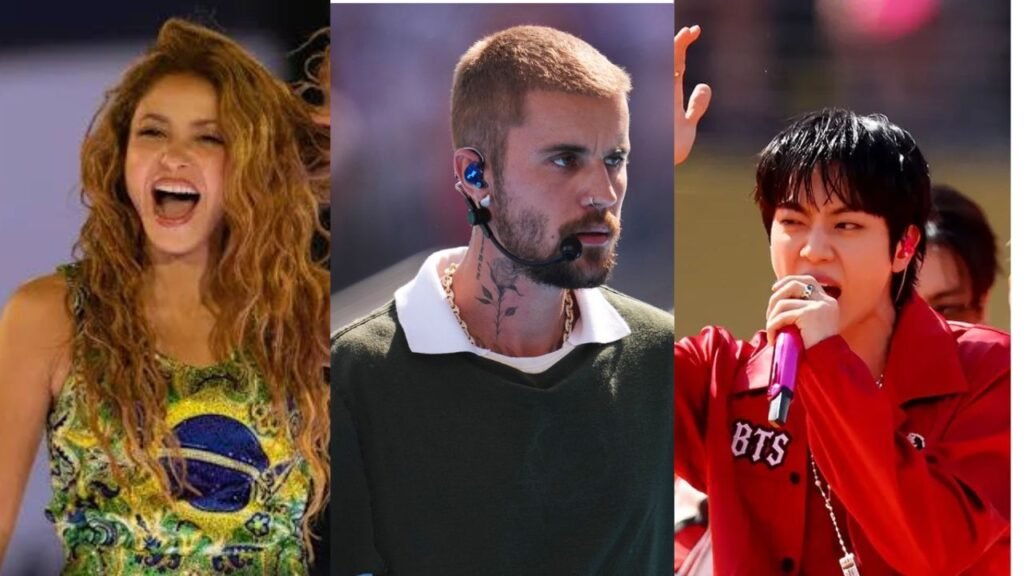
The FIFA World Cup Halftime Show has become one of the greatest talking points in entertainment after Madonna, Justin Bieber, BTS and Shakira’s performances got varied reactions from spectators around the world. The historic spectacle represented the first time FIFA has performed at a World Cup final halftime and aimed to deliver a Super Bowl-like entertainment experience to the largest stage in sports.

Some of the most recognisable personalities in global music were in attendance, but the audience was divided in their judgement. Some fans applauded the worldwide representation and visual production, but others criticised the quick transitions and short time on stage for each act.

Latest Entertainment News
FIFA introduced the halftime performance as a landmark mix of football, music and social influence. The show was in New York New Jersey Stadium for the final of the 2026 FIFA World Cup, with Global Citizen helping to produce it and Coldplay’s Chris Martin as curator.

Originally, Madonna, Shakira and BTS were in the roster, and Justin Bieber was revealed as another co-headliner later. Other performers were Burna Boy, conductor Gustavo Dudamel and the PS22 Chorus with Coldplay.

The performance also sponsored the FIFA Global Citizen Education Fund, with the show’s organisers highlighting efforts to raise money for children’s education and football programmes around the world.
Historic Performance Key Highlights
The event commenced with a star-studded presence from Madonna, bringing her decades of pop cultural relevance to the World Cup stage. Her portion comprised football-related events with legends such as Ronaldo and Ronaldinho.
The event gained an extra international dimension with BTS bringing the worldwide K-pop audience to life with their dynamic performance style. Their inclusion underlined the group’s worldwide success and FIFA’s effort to target younger audiences in various regions.
One of the night’s most explosive moments was when Shakira performed with Burna Boy and Uganda’s Triplets Ghetto Kids. Many observers liked her performance, saying she brought good rhythm and festival-style enthusiasm to the stadium.
One of the major disagreements was about the way Justin Bieber looked. Bieber opted for a slower, acoustic sound, which some fans liked, but others felt did not match the mood of a celebration for a World Cup final.
Industry and fan response
Viewers were divided on their feelings on the halftime spectacle. Supporters praised FIFA for organising a worldwide entertainment event that brought musicians together across cultures. Critics complained there were too many acts, and some acts just had minutes to make an impression.
There were many analogies to the Super Bowl halftime tradition, where one major act frequently has more time to create a full performance. Some entertainment commentators said the World Cup show tried to do too much in too little time.
The mixed reaction shows just how hard it is for FIFA to extend beyond football. The competition is viewed by billions of people with varying expectations, from traditional football fans to the worldwide music audience.
What that Means for Fans
The halftime spectacle is a sign of FIFA’s increased emphasis on entertainment, culture and global connectivity. FIFA is trying to make the final match a bigger celebration for the world, not just a sporting occasion, by incorporating important musical performances.
Performing at the World Cup is one of the biggest worldwide platforms accessible for musicians. Madonna, Shakira, BTS and Bieber all connected with people much beyond their regular music markets.
The incident could impact on the future of the World Cup final cocktail of sport and entertainment. FIFA might continue to experiment with bigger shows, adapting the format to what the fan wants.
What comes next?
The first halftime concert is expected to be followed by several World Cup events looking at entertainment partnerships and global music collaborations.
Much will depend on how FIFA balances celebrity appearances, cultural representation and the historic importance of football’s greatest match for the notion to be a success.
The important message for fans is the World Cup is moving towards a new entertainment era when music shows might become another big part of the tournament experience.
Sources
FIFA
Halftime show selection, Chris Martin’s involvement, Global Citizen collaboration and social impact targets
CBS Sports
Live show details, roster of artists and audience reaction coverage.
Entertainment Weekly
Highlights of the performance, criticism and crowd response analysis.
Vanity Fair
Cultural influence and entertainment analysis of the World Cup.
The Times
Critical review and response to the halftime show.
