
Graduate Student Loan Limits Change as Education Department Rolls Out New Rules on July 1

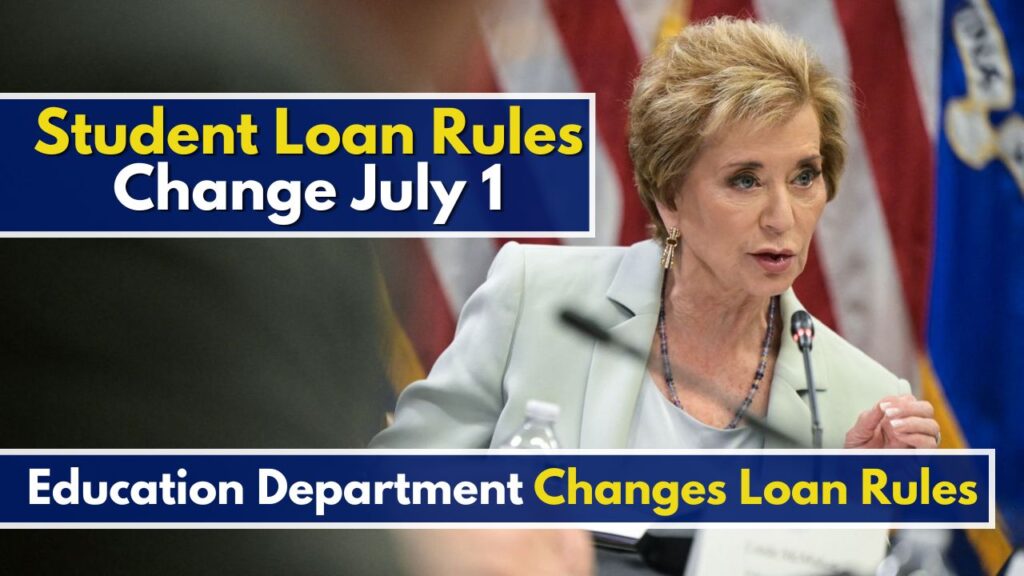
The Graduate Student Loan Limits Change is one of the biggest changes to federal student aid that will go into effect July 1 and will affect students working towards a master’s, doctoral, law, medical, nursing or other graduate or professional degree. The U.S. Department of Education has announced new borrowing rules that will replace the current unlimited Graduate PLUS borrowing framework with annual and lifetime limits for many new borrowers. Those changes will probably affect how students pay for college, and it’s now more important than ever to know new loan limits, eligibility rules and how to borrow before accepting federal student aid.

If you are a graduate student who will start your programme after July 1, you need to be aware of these changes because the new regulations affect the amount of federal funding you may receive. Many current borrowers who enrolled prior to the effective date will be covered by transition protections, but new borrowers will generally be subject to the new borrowing caps. Students can read about these updates to help plan for their education costs and avoid funding gaps.

Latest Graduate Student Loan Limits Change Update Effective July 1
The new federal student loan regulations will officially take effect on July 1. Under the revised policy, Graduate PLUS Loans are no longer available to most new borrowers and graduate students will instead be limited primarily to Direct Unsubsidised Loans with new annual and aggregate borrowing limits.

The Department of Education also changed the definition of “professional” degree programmes following a federal court order, temporarily allowing more fields, such as certain nursing and psychology programmes, to qualify for the higher professional borrowing limits while litigation continues. Students are encouraged to contact their institution’s financial aid office as eligibility may vary based on academic programme.

How to Check Your New Rules
- Go to the official Federal Student Aid website.
- Sign in using your FSA ID.
- Complete or review your FAFSA application
- Check the financial aid award you got from your college or university.
- Check your eligibility for federal loans and borrowing limits.
- If your programme is a professional degree, contact your institution’s financial aid office.
- Borrow only the federal student loans you really need.
Understanding How Rules Impact Students
The biggest impact of these changes is that students enrolled in expensive graduate programmes might not be able to cover the full cost of their education with federal loans alone. Still eligible for higher borrowing limits than typical graduate programmes are fields such as medicine, dentistry, law and other qualifying professional degrees, though eligibility is determined by the Department of Education’s new definitions.
Students in master’s programmes may need to combine scholarships, assistantships, employer tuition assistance, personal savings, or carefully selected private education loans if total costs exceed the new federal borrowing caps. And with tuition, housing, books and living expenses continuing to rise, now more than ever it is important to develop a comprehensive financial plan before you enrol.
Transition provisions may allow students who borrowed federal loans prior to the July 1 effective date and who remain continuously enrolled in the same academic programme to continue borrowing under prior rules. However, students should verify their individual status with their financial aid office as eligibility is determined by specific enrolment and borrowing history.
Planning Ahead After the Graduate Student Loan Limits Change
If you are planning to start graduate school soon, it is a good time to calculate what your estimated educational costs will be and compare them to your available federal borrowing limits. Before going elsewhere for funding, check for scholarships from your school, research assistantships, fellowships and any education benefits your employer offers.
Borrow only what you really need and not the maximum amount that’s available. If you borrow less today, you’ll have lower monthly payments and pay less interest overall after you graduate. Keep an eye on official announcements from the Department of Education, too, so you can react swiftly if further court rulings or policy shifts impact existing regulations.
