
Android 17 Gaming Mode Delivers New Features Mobile Gamers Have Wanted

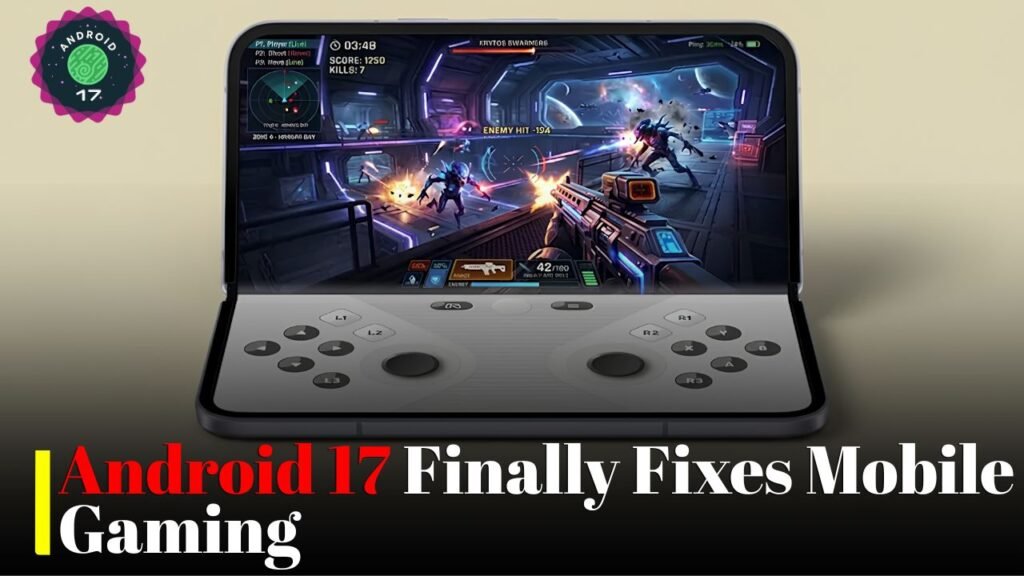
Android 17 Gaming Mode Delivers New Features : Android 17 sends a loud and obvious message to mobile gamers: Google is finally taking portable gaming on Android more seriously. Phones have had the power to run high-quality games for years, but the experience has frequently been hamstrung by cumbersome controls, screen clutter, controller setup troubles and performance decreases during prolonged sessions. Google is addressing some of those long-standing criticisms with Android 17 Gaming Mode, particularly for those using foldable phones. The upgrade won’t make every Android device a specialised gaming console, but it does make gaming seem more comfortable, more versatile and more suited to modern mobile hardware.

Folding Gaming Mode
Foldable Gaming Mode is the highlight feature for those with big-screen Android handsets. Android 17 uses a cleaner 50/50 layout on supported foldables, instead of requiring players to cover the action with their thumbs. The game occupies the top half of the screen, and the bottom half is a virtual controller. This gives players a better view of the game, with a dedicated control area underneath it. It’s a basic notion, yet it solves a serious problem. Touch controls often hide critical sections of the screen, especially in action, racing, shooter and platform games. Android 17 isolates gameplay from controls, making foldables more like little handheld gaming devices.

Gaming Mode Gets a Real Upgrade – Especially for Foldables
The chief merit of the new arrangement is its comfort. Foldable phones already provide more screen real estate than regular smartphones, but many games don’t exactly take the greatest advantage of that extra space. Android 17 turns that on its head by making the foldable form factor a strength. When you open it up, you may play the game on one half of the screen and utilise the other half as a controller-style input area.

This method will be especially helpful for games that already allow controller input. If gamers want to have a brief gaming session and don’t want to bring a separate controller around, they can use the built-in virtual gamepad. It won’t replace a hardware controller for intense competitive play, but it makes casual and on-the-go gaming much more feasible.

Play Full-Screen
One of the most annoying things about mobile gaming is the screen space that gets eaten up by buttons, sticks and menus. Android 17’s foldable architecture helps to keep the primary game view uncluttered. With their fingers in the way players may see more of the scene, follow foes more readily and lose less minor visual detail.
This matters more than it might appear. Seeing is part of the experience in many mobile games. Racing games are better when the road is not obscured by steering controls. A role-playing game seems better when the scenery isn’t concealed by action buttons. Puzzle games are more enjoyable when the layout is open and not cluttered. Android 17’s design allows the phone to feel less crowded without developers having to rewrite their games.
Native Controller Remap
Android 17 also adds enhanced support for gamers with external controllers. Native controller remapping allows users to alter button layouts on a system level. This means gamers can customise button, trigger, and stick behaviour without having to rely solely on in-game settings.
This is a great improvement, as controller support on Android has traditionally been patchy. Some games have extensive controls to set up, others have only the basics. System level remapping puts greater control in the hands of the user and could make older (or less flexible) games simpler to play. It is also beneficial in terms of accessibility, comfort and personal choice. If you’re a player that wants leap, attack or aim mapped to something else, you can set it up in a method that feels natural.
Fewer frame dips and stuttering
Controls are merely part of the experience of the game. Then there’s the performance. Android 17 has also gotten some under-the-hood improvements to smooth out frame drops and stutters in demanding games. Google says the memory clean-up is more efficient for HD gaming, letting games stay smoother while phones are under pressure.
This kind of change might not sound like a big deal when you read about it, but gamers notice it immediately away. A game may have great graphics and excellent controls, but persistent stuttering can break up the flow. Smoother memory management means easier long sessions, action-packed fight scenes and graphically demanding periods. It could also make phones feel more constant as games are increasingly demanding.
Multi-tasking and Creator Tools: Bubbles and Screen Reactions
Gaming Mode might be the main event for gamers, but there are a few more Android 17 upgrades that can help out players as well. Bubbles allow programmes to float above other apps, making it easier to keep a discussion, tutorial or message thread going while you’re gaming. This can be useful for gamers who team up with pals, check out walkthroughs or establish communities tied to the game. Screen reactions are also inviting to artists. Players who record gameplay or generate short clips can capture their reactions more readily, without needing to use additional programmes.” It also reduces the barrier to entry for content suppliers of mobile games to create short, socially oriented content.
Security and privacy: more user control
Android 17 is more than a game. The upgrade also includes other privacy and security elements including transitory access to accurate location and selective sharing of contacts. This is significant because many games and related apps ask for personal info. The more control users have over what they disclose, the safer the wider game experience will be.
The Find Hub has also been enhanced with an improved ‘Mark as lost’ option that allows you to lock a lost phone with biometrics protection. It’s a significant leap for gamers who have accounts, and who store their payment data and cloud saves on their devices and who require extra security against theft.
When Will Android 17 Come to Your Phone?
Android 17 is coming out to Pixel smartphones first, with other Android brands to follow as they have their own timing for updates. Android 17 includes the Foldable Gaming Mode built-in, but Google claimed it will be available in the coming months. That implies some customers will be getting Android 17 with some of the gaming features not completely working on their device.
As usual, timing will vary by phone model, manufacturer, region, and software skin. Pixel owners typically get the updates first, while Samsung, OnePlus, Motorola and other brands take time to test and customise key Android versions.
Conclusion
The Android 17 Gaming Mode looks like a useful step forward rather than a dazzling gimmick. The new foldable layout, virtual gamepad, controller remapping and smoother performance enhancements all address actual problems that mobile gamers have been complaining about for years. This is a win for foldable phone users, but the broader trend is evident: Android gaming is getting more refined, more flexible and more geared for serious play. If Google continues with this pace, Android phones could be major handheld gaming devices in the years to come.
