
Second Warmest July on Record Comes to an End With Above Normal Temperatures

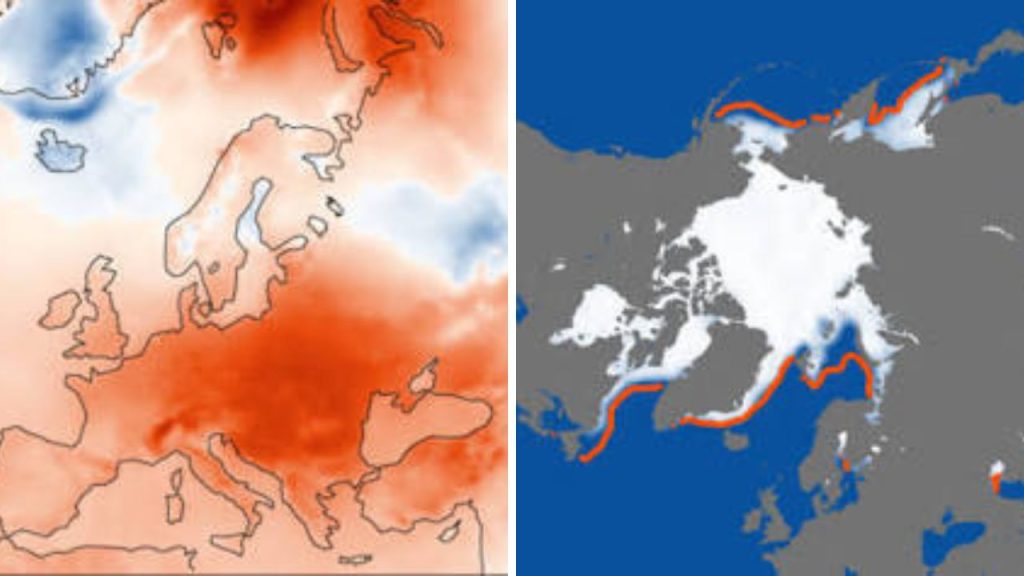
July ended with the United Kingdom experiencing one of the warmest and driest midsummer months in its recorded climate history. Preliminary Met Office figures through July 30 placed the month as the UK’s second warmest July for mean temperature. England was tracking its joint warmest July, while Wales was on course for its warmest. The exceptional heat was most noticeable across southern England, where mean temperatures were around 3.2°C above the 1991–2020 average.
UK July Temperatures Remained Well Above Normal
UK July temperatures stayed elevated through repeated periods of warm weather rather than one brief hot day. Warm afternoons were accompanied by mild nights, limiting the usual overnight relief for homes, workplaces and people sensitive to heat.

The wider summer has also been unusually warm. By July 15, the UK’s seasonal mean temperature was running 1.8°C above the long-term average. England was 2.4°C above average, while Wales was 2.2°C warmer than normal. Scotland and Northern Ireland also recorded positive temperature departures.
The July ranking remains provisional until all observations are checked and processed. However, the available figures clearly show that July 2026 was exceptional across much of the country, with the greatest temperature differences concentrated in England and Wales.

Dry Conditions Added to the Weather Story
Heat was only one part of July’s unusual weather pattern. The UK received approximately 35% of its average July rainfall through July 30, provisionally making it the third driest July on record and the driest since 1868. Northern Ireland received only 27% of its average rainfall, while southern England experienced particularly serious rainfall shortages.
Sunshine totals were also high. The UK was tracking its fourth sunniest July in records beginning in 1910. England and Wales were each on course for their second sunniest July.
The combination of prolonged warmth, strong sunshine and limited rainfall dried soils and vegetation. These conditions placed additional pressure on water resources and increased the danger of grass, heath and woodland fires.
Above Normal Temperatures Expected in August
The end of July does not necessarily mean a return to consistently cooler weather. The Met Office’s longer-range forecast indicates that UK temperatures will probably remain slightly above average overall.
Very warm, hot or humid periods remain possible, particularly across southern areas. However, forecasters do not expect every warm spell to reach the intensity experienced during the hottest parts of July.
Conditions could still vary considerably across the country. Atlantic systems may bring cloud, showers and temporarily cooler air. At other times, warmer air moving north from continental Europe could produce another noticeable rise in temperatures.
Heat Health Risks Remain Important
A yellow heat-health alert was issued for South East England from August 2 to August 5, indicating possible effects on vulnerable people and health services.
Older adults, babies, outdoor workers, people with long-term health conditions and anyone living in an overheating home may face greater risks. Drinking water regularly, avoiding strenuous activity during the hottest hours and checking on neighbours or relatives can reduce heat-related harm.
Employers and event organisers should provide drinking water, shaded rest areas and reasonable breaks so that everyone can work or participate safely.
A Clear Signal From the UK Climate Record
One exceptionally warm month cannot explain climate change on its own, but the long-term trend is clear. The Met Office reports that the UK’s most recent decade, covering 2016–2025, was 0.51°C warmer than 1991–2020. The year 2025 also became the country’s warmest in records dating back to 1884. July 2026 adds another significant chapter to that warming pattern.
Sources
- Met Office — Preliminary figures placed July 2026 as the UK’s second warmest and third driest July, with only 35% of average rainfall.
- UK Health Security Agency — A yellow heat-health alert covered South East England from August 2 to August 5.
- Reuters — UK heat-related deaths during 2026 were approaching the record recorded during the extreme summer of 2022.
- The Guardian — July temperatures were running roughly 3°C above average as drought and wildfire concerns increased.
- University of Reading — The university’s local weather station recorded only 0.4 millimetres of rain during an exceptionally dry July.
