
Trump Administration Ends Medicare Part D Subsidy Program Beginning in 2027

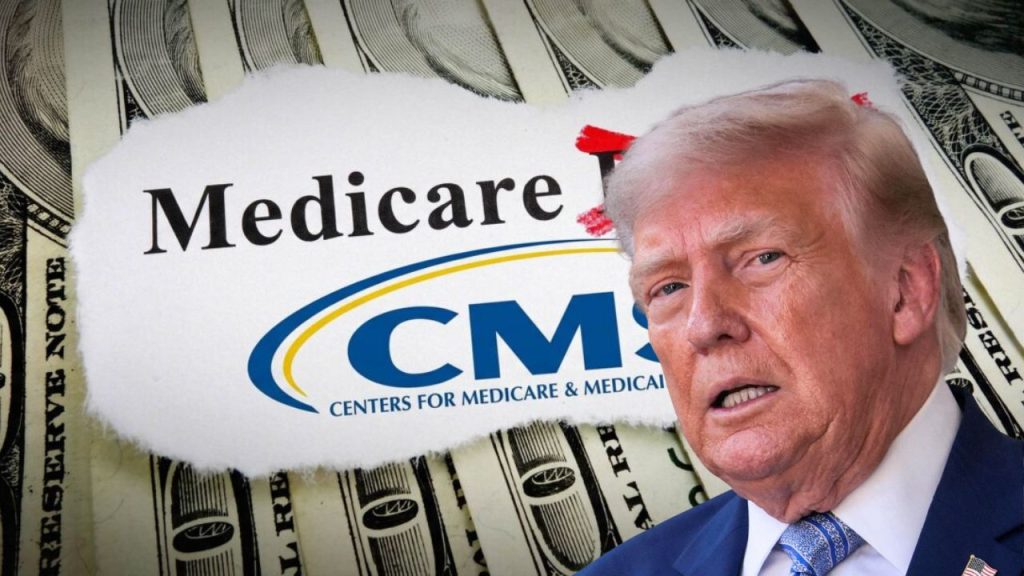
Trump administration ends Medicare Part D subsidy programme Beginning in 2027 the statement marks a substantial policy change for millions of Medicare enrollees. The Centres for Medicare & Medicaid Services (CMS) said the temporary Premium Stabilisation Demonstration will end after 2026, allowing the standalone Medicare Part D market to operate without additional federal subsidy payments. The adjustment could result in higher monthly premiums for some consumers when plans for 2027 are rolled out.

CMS No Longer Need Temporary Premium Assistance
The Inflation Reduction Act introduced major changes to Medicare Part D and the Premium Stabilisation Demonstration was begun in 2025 to strengthen insurers’ financial responsibility. The temporary programme helped to contain rate increases while insurers adjusted to the new benefit structure.

CMS believes insurers now have enough experience to price their prescription drug plans adequately without more federal support. The agency said the demonstration will end after the 2026 plan year, returning the market to its regular functioning structure. Final Medicare Part D premiums for 2027 will be announced during the annual registration session in September.

Financial Impact of Major Policy Change
This is not a corporate earnings release, but the budgetary repercussions are huge for both the federal government and health insurers.

The U.S. Government Accountability Office estimates the premium stabilisation plan will cost around $9.8 billion in 2025 and 2026. While ending the programme cuts federal financing, it shifts more of the price burden to private insurers that offer stand-alone Part D coverage. About 25 million individuals now receive their prescription medication coverage through these plans.
Reaction from the industry and the market
Healthcare analysts expect that many stand-alone Part D plans would increase premiums in 2027, but CMS has warned that most beneficiaries might face hikes of less than $10 per month. The exact effect will depend on the insurance and plan.
Industry observers also think the change could lead some seniors to shop around for Medicare Advantage plans, many of which package prescription benefits with medical coverage. But experts suggest don’t pick your plan just because the premiums are less. Provider networks and out-of-pocket costs can vary, too.
What this implies for people with Medicare
The expiration of the subsidy programme does not signify the end of Medicare Part D or its prescription drug benefits. Instead, it removes a temporary federal payment that helps keep premiums down throughout the transition to the new benefit design.
Beneficiaries should take time to review the 2027 plan possibilities during the upcoming Open Enrolment period and compare premiums, covered medications, deductibles, pharmacy networks and total yearly expenses before making any adjustments.
What Happens Next?
CMS will release the final Medicare Part D rates and plan offerings in September, before to the Annual Open Enrolment period. Then they can compare insurance and decide whether to stay with their existing provider or change coverage for 2027.
Also to be watched by investors and healthcare companies is how insurers adjust pricing tactics without the interim premium stabilisation payments.
Sources
Reuters – Confirmed the subsidy programme stops after 2026 and CMS wants insurers to price policies without federal backing.
CMS – Final 2027 Medicare Part D payment parameters released and demonstration concluded.
GAO – Reported that the Premium Stabilisation Demonstration cost around $9.8 billion over 2025 and 2026.
MarketWatch – Higher 2027 rates may make some recipients choose Medicare Advantage insurance.
