
YouTube Begins Labeling AI-Made Videos Automatically

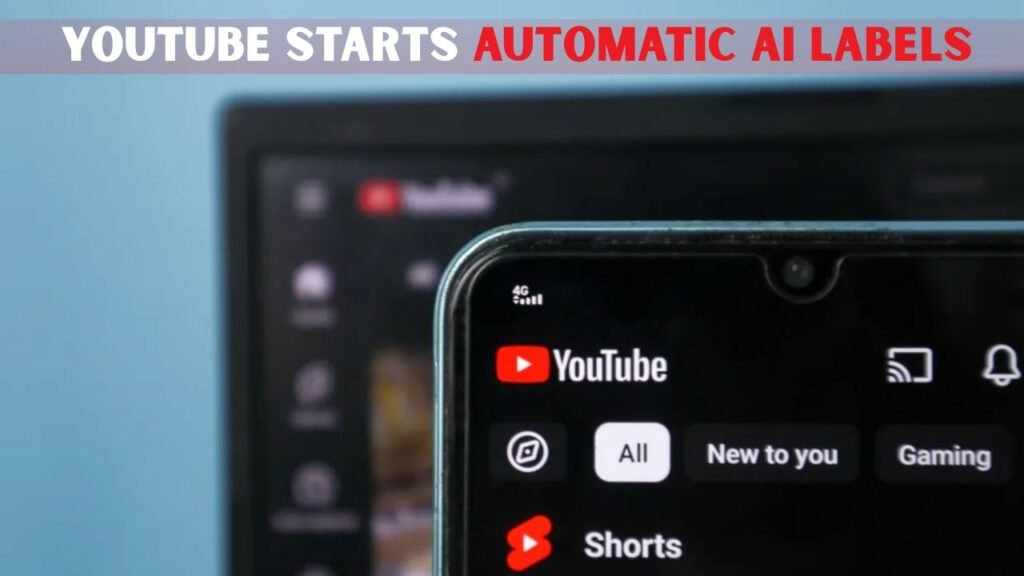
AI-Made Videos: YouTube has begun to promote and auto-label AI-created videos so viewers can tell when a realistic video has been made or altered with artificial intelligence. The update is important because AI can now create faces, voices, scenes, news clips and deepfake content that could look real. In the past, creators were mostly asked to self-report such content, but many viewers could miss the tag in the description. YouTube now leverages signals from automated detection to pinpoint large-scale, photorealistic AI use and affix a label where needed. “We’re not trying to punish creators, we’re trying to help people watch videos with more awareness, to build trust and reduce confusion. For creators this means honest disclosure is becoming more important. For viewers, this means YouTube will offer more clarity before they believe, share or react to any AI-generated content online. It also raises the safety of digital media for casual users and families as well.
What YouTube’s Automatic AI Labels Mean
YouTube’s new AI label system aims to warn viewers if a video contains realistic synthetic or altered content. This means videos made with AI faces, AI voices, AI scenes or heavy AI editing could receive a clear label. The label tells viewers that the content may not be 100% natural or originally recorded. YouTube says creators still need to disclose realistic AI use during upload, but the platform can also automatically detect some AI content. That’s good, because not all creators will remember, understand or want to disclose properly. It’s a visible label that can provide context to viewers quickly, especially on Shorts, news clips, celebrity videos and emotional content that people may be too quick to believe while scrolling online everyday.
 Samsung Introduces Flex Titanium Display Technology for Its Next Generation Foldable Phones
- The label indicates that a video might feature realistic AI-generated content.
- It may show up when creators disclose AI use upon upload.
- YouTube can also automatically add the label if necessary.
- The label helps viewers know how the video was created.
- It’s mostly about realistic AI content, not every little edit.
Why This Update Is Important
This is important because AI content can be fun, helpful, and creative, but also can be misleading people when it looks real. A fake interview, a voiceover lifted from somewhere else or a disaster scene generated by an AI can create confusion if the viewer is unaware it was generated by software. Clear labels are good for media literacy and make people judge videos more carefully. They also permit honest creators who already tell their audience when they use AI. This update doesn’t mean all AI video is bad. It simply gives more information to the viewers. Being able to understand how content was created helps people to enjoy creativity and stay alert to misinformation, scams, emotional manipulation and viral mistakes that can be harmful. It promotes healthier habits throughout the creator community.

- It helps clear up confusion from realistic fake videos.
- It gives the viewers more power over what they believe.
- It enables responsible and honest content creation.
- It can help to stem the tide of misinformation.
- It makes the use of AI more transparent on the platform.
What Creators Should Understand
This update is a reminder for creators to be honest with your audience. For videos involving realistic AI, creators should choose the disclosure option at upload, not wait for YouTube to identify the content. A label isn’t necessarily a bad thing, and YouTube has said there’s no guarantee that AI disclosures will impact monetization or recommendations. But hiding AI use can harm trust, especially when the content depicts realistic people, events or places. “We’re not banning creators from using AI to write scripts, help with editing, create thumbnails, add effects or produce creative content. The safest way is to be upfront with realistic AI, not to over-promise, and to explain the creative purpose where needed so viewers feel respected, informed, and confident. This safeguards channel reputation and loyalty.
- Creators should be honest about disclosing realistic AI content.
- AI tags aren’t always bad for a channel.
- Deceptive use of AI can destroy audience trust.
- AI is still a creative aid that creators can use.
How Viewers Should Use AI Labels
But the A.I. label is a useful warning for viewers, not the end of the story. It informs them some content might have been edited or AI-generated or synthetic. Always think before you act, double check trusted sources and be wary of sharing shocking clips too quickly. Tags can be helpful for political videos, celebrity videos, health claims, financial advice and breaking news clips. They really affect how people feel, how they decide. And with the update, it helps people to understand that online video is not necessarily a direct recording of reality. As the tools get better, viewers need simple cues to help them pause, question and watch responsibly before trusting what they see on screen. It can help you fight misinformation and make communities on the internet safer.
Final Discussion
YouTube’s automatic AI-made video labeling is a strong step toward clearer and safer online viewing. It helps viewers understand when realistic content may be synthetic, edited, or AI-generated. It also pushes creators to be more honest about how they make videos. AI is not the problem by itself; hidden or misleading AI use is the real concern. With visible labels, people can enjoy creative content while staying careful. This update can improve trust, reduce confusion, and make digital video platforms more responsible for everyone in the future online today too.
