
Samsung May Skip Big Galaxy Watch Battery Upgrade

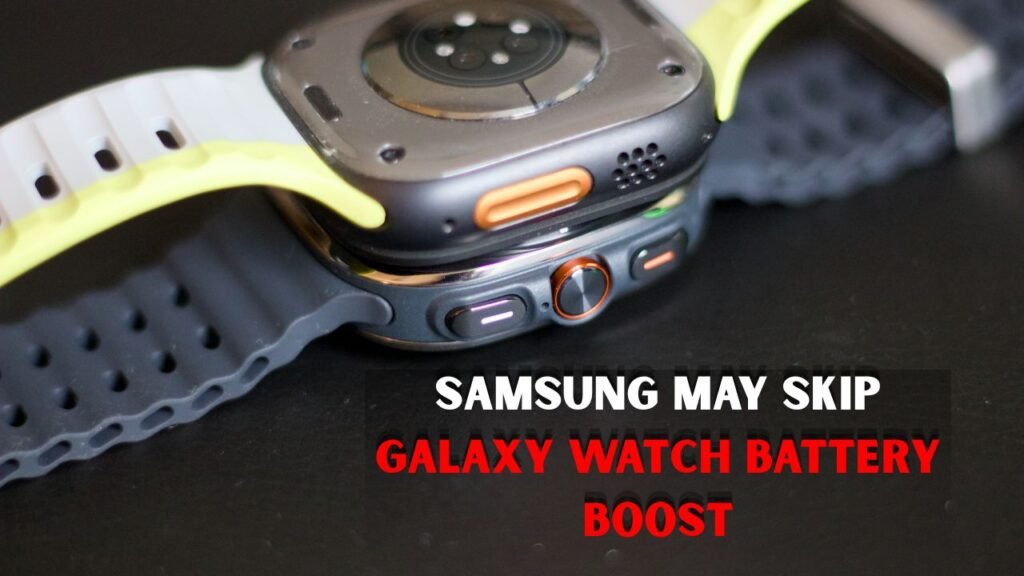
Samsung’s upcoming Galaxy Watch models may not offer a massive battery boost and this could be a big disappointment for users who wanted longer backup. The latest rumours indicate that the Galaxy Watch 9 and Galaxy Watch Ultra 2 will retain familiar charging limits and not get a significant upgrade. For the time being, this should be considered a leak, as Samsung has not officially confirmed the news. But it matters because battery life is one of the biggest reasons people buy or pass on a smartwatch. Many users want a sleep, workout, calls, notifications, and health data tracking watch without having to worry about daily charging. If Samsung focuses more on design, software and health features, the improvement in battery can feel minor. This also shows how hard it is to upgrade a smartwatch as companies try to balance size, comfort, heat, safety, sensors, price and comfort in a tiny wearable for everyday use today.
Why the Battery Upgrade May Be Limited
Why the little upgrade? The simple fact is that you can’t easily upsize smartwatch batteries. A Galaxy Watch should be light, slim and comfortable enough to wear all day. The larger battery makes the body thicker and heavier and also warmer while charging. It might also want to keep the charging speed consistent, to save battery health and avoid heat issues. Rumours are flying that future models will be able to handle 10W charging, which will presumably be safe, but not very exciting for power users. Perhaps the company simply believes that better chips, smarter software and better power management will deliver enough real-world benefit. But if you’re a travel user, train or track sleep every day you might want a clear hardware upgrade, not just small efficiency gains overall this year now.

- This can make the watch thin and comfortable.
- Bigger battery could mean more weight and thickness.
- Charging quickly creates more heat.
- Software optimisation may become more important.
- This may be a let down to heavy users.
How This Could Affect Daily Users
Most normal users may feel the biggest impact is the charging routine. But even with a bigger battery or faster charging, people may still need to charge the new Galaxy Watch almost daily depending on settings. The always-on display, GPS workouts, LTE, sleep tracking and health monitoring can all burn through power fast. A small software tweak might help, but it may not completely transform the experience. Existing Galaxy Watch owners might not see a compelling enough reason to upgrade just for battery life. Samsung’s design, app support and health features will still appeal to new buyers, but should temper expectations. The watch may be smarter, but not a whole lot more long-lived for heavy daily users any time soon.
- You may still need to charge every day.
- GPS and LTE can suck a battery down fast.
- Sleep tracking needs a lot of work overnight.
- If you recently bought a Galaxy Watch, you may have to wait longer.
- New buyers should seek out real battery reviews.
Why Samsung May Choose Balance Over Big Numbers
Samsung might have good reasons of its own not to take a risky battery leap. Because smartwatches are worn on the body, managing the heat is important. Faster charging can produce more heat, and a larger cell can take up space for sensors, antennas, speakers, vibration motors, and waterproof design. Samsung may want to avoid the trap of chasing one headline feature and go for a balanced product. The company can improve the battery feeling by tuning display, background app, sleep mode and processor efficiency. This is less dramatic, but may be safer and cheaper. But it’s more difficult to market when competitors have multi-day battery life. This year Samsung has to justify why you should buy its watch, even if the big battery figure has stayed the same.

- Smartwatches have to be good at heat control.
- Extra battery space can affect the internals.
- Samsung could enhance safety and comfort.
- Efficiency can really make a difference in battery life.
- Competitors may be claiming longer battery life.
Should You Wait Before Buying the Next Galaxy Watch?
It’s best to wait for Samsung’s official launch and full reviews before you buy. Leaks can be helpful, but they can also miss last minute software changes, regional models, or real world battery results. If the processor and software are more efficient, a watch with the same charging speed can still last longer. But buyers should test the battery, GPS drain, sleep tracking performance, and charging time before spending their money. Owners of an older Galaxy Watch may still get a nice bump in display, health tracking, and speed. Compare closely if you have a newer model. The best choice will depend on the user’s daily routine, budget, phone ecosystem, fitness needs, and how much battery stress the user can safely and comfortably accept in daily use.
Final Verdict
Final story not complete, but Samsung may skip big Galaxy Watch battery upgrade If the leak is true, users should not expect to see a big jump in charging speeds or battery life. Still, Samsung can enhance daily use with better software, smarter power control and efficient hardware. The smart move for buyers is to wait for official details and trusted reviews. Battery life matters, but comfort, health tracking, design, performance and price also play a role in whether the next Galaxy Watch is a good overall upgrade for many users today.
