
Luna Band Fitness Tracker Could Beat Fitbit on Price

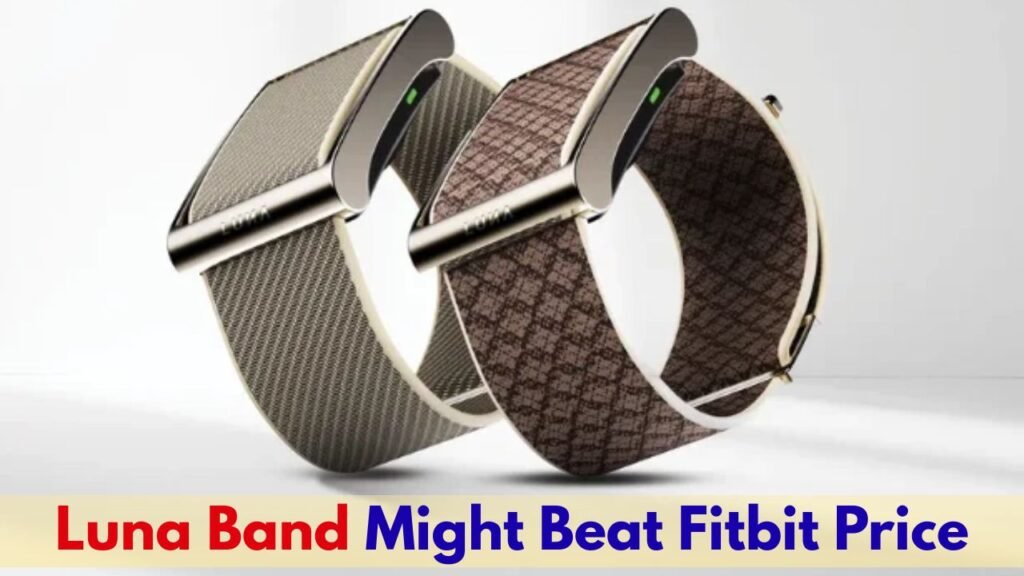
The Luna Band fitness tracker is generating excitement because it could provide robust health tracking without a monthly subscription fee. Fitbit Air starts cheaper but Luna might seem better for those who hate subscriptions. The band is light, screenless and focuses on sleep, recovery, stress, activity and personal wellness guidance. Luna also is working on its LifeOS system which gives practical advice based on health data and daily context. This makes the product more than a standard pedometer. It wants to be a simple health coach on your wrist. The expected price is around $149, while Fitbit Air starts at $99.99, so the real fight is total value, not launch price. If Luna can keep giving free AI coaching and make it useful, budget buyers might just see it as a smarter long-term pick than Fitbit, especially after months of consistent use and app support for active families and beginners.
Why Luna Band Looks Cheaper Over Time
Luna Band could compete with Fitbit on price for the no-subscription reason alone. Buy Fitbit Air outright is cheaper, but its beefier coaching tools are behind Google Health Premium after the trial period. Luna will have an easier value message. Buy the band, use core AI wellness system, no monthly fee. This is important because fitness trackers aren’t a one-month product. They are used for years so the little monthly payments add up to more than the cost of the device. If Luna gives you solid insights into sleep, stress, recovery and activity — and does so without charging extra — the real savings can add up over time. Luna may be more practical for those who want a simple guide and low running cost every day.
- Check the price of the device first.
- Second, the monthly subscription charge.
- calculate the cost for a year.
- Comparing AI coaching value
- Fifth, go for the better deal in the long run.
Design and Tracking Features
Luna Band is a screenless design so it’s for people who want to track without constant distraction. Users can trust the app and smart guidance instead of checking a display over and over again. The band should be able to track key body metrics such as heart rate, movement, temperature, breathing, sleep quality, stress and recovery. Tracking like this can help users understand when to push, when to rest and when their habits need to be changed. It is also easy to wear all day and night thanks to its simple design. For many, comfort is as important as the features, because health data is only useful if the tracker stays on the wrist. “A quiet band can fit better with work, sleep, workouts and travel.
 Apple Pencil With Replaceable Battery Could Be the Biggest Upgrade in Years According to New Report
- Screenless design keeps the user in the zone.
- Sleep tracking can show quality of rest.
- Can help balance daily (stress tracking)
- Recovery data can inform workout intensity.
- 24 hr tracking requires comfort.
AI Coach and Daily Guidance
The main difference is that Luna is about AI guidance, not just raw numbers. There are fitness apps with lots of charts, but beginners don’t always know what to do. The idea behind Luna’s LifeOS is to read health signals within the daily context and suggest useful actions. For example, it can then prompt rest after poor sleep, breathing after stress or lighter activity when recovery is low. This makes the band a daily habit trainer. Fitbit has good AI features too through Google Health, but some of the advanced help might depend on Premium. Luna’s promise is strong if the app can give personal tips in plain language without having to pay another fee. That can make health tracking friendly, useful and less confusing on a daily basis as well.
 Nintendo Switch 2 Camera Discount Lets Buyers Save on the Official Accessory Before Demand Rises
- AI is helping translate health data.
- Recovery tips can help prevent Overtraining.
- Stress alarms help you build better habits.
- Sleep tips can help your sleep routine.
- Free advice can be a difference maker in general.
Should You Choose Luna Band or Fitbit Air?
The decision between the Luna Band and the Fitbit Air will depend on what kind of buyer you are. Fitbit Air benefits from a trusted brand, lower entry price, wide platform support, and Google’s health ecosystem. The Luna Band offers a subscription-free message, wellness-first guidance and a fresh, screenless style. If you want the lowest price on day one, Fitbit might be the pick. Luna may appeal to those buyers who have a longer-term view on costs. The best tip is to compare app features, battery life, accuracy, comfort, data privacy and future updates before buying. Price matters. But the best tracker is the one you’ll actually wear regularly. More than hype should guide the final decision, but daily comfort and clear insights.
Final Thoughts
The Fitbit Air will likely undercut the Luna Band at launch price as it starts at a lower price. For those who think long term, Luna could still be a winner. No subscription, straightforward screenless design, and AI wellness guidance make it interesting for budget-focused buyers. If you’re into Google’s ecosystem and want a known brand, Fitbit is still the safer bet. Ultimately, the success of Luna will be down to real accuracy, app quality, comfort, battery life and how much useful coaching it provides without added cost. If it does, Fitbit will be under serious price pressure.
