
Apple Watch Faces New Pressure as AI Health Devices Gain Attention

Why Apple Watch Is Facing More Competition
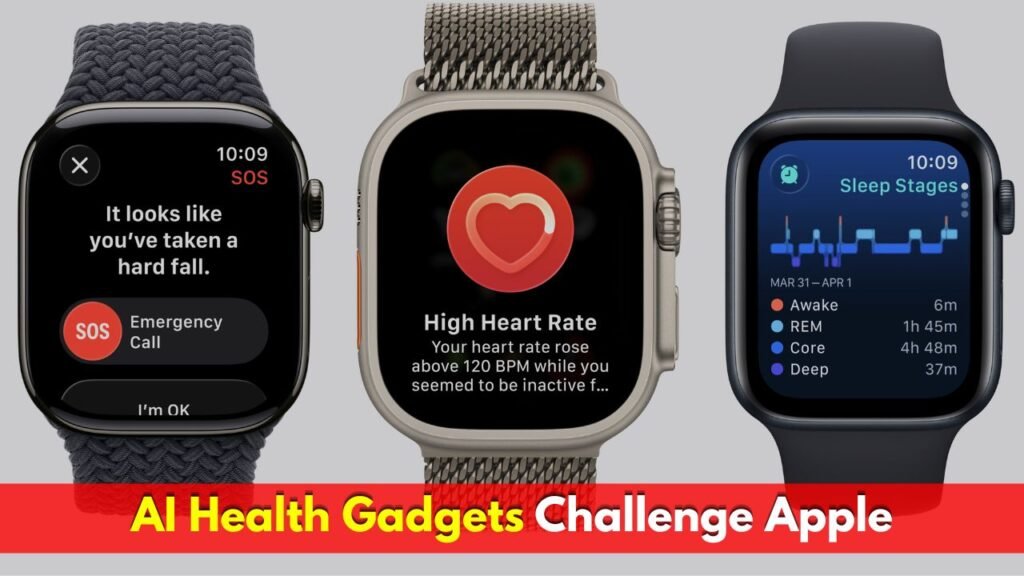
The Apple Watch is still a great smartwatch, but the wearable health market is moving fast. “There is a growing demand for devices that are increasingly health-oriented and less screen-based. AI fitness bands, smart rings and medical-grade wearables are gaining appeal as they are lighter, easier to wear in your sleep and often have a longer battery life. Some devices also use artificial intelligence to convert health data into plain language. This puts Apple under pressure as users may compare the Watch to more recovery, sleep, stress and early health signal focused devices. Apple needs to keep building hardware, and AI health insights.
 Samsung Introduces Flex Titanium Display Technology for Its Next Generation Foldable Phones
- AI-powered health devices are becoming more predictive and personalised.
- Smart rings and bands are more wearables for all day wear.
- Users want longer battery life, fewer distractions on the screen
- Health insights are more than just tracking.
- Apple needs to make health features smarter and easier to use.
How AI Health Devices Are Gaining Attention
AI health devices are gaining attention as they help users to understand their body better. These devices, rather than just displaying numbers, are able to monitor sleep, heart rate, temperature, oxygen levels, stress and activity patterns. Then they can translate that data into simple advice. For example, the device could tell the user to rest more, monitor sleep quality, or changes in recovery. This makes health tracking feel more valuable. Many also like devices that work quietly in the background with not too many notifications. That’s why AI wearables are fast emerging as strong competitors in the health tech space.
- They explain health data in plain language.
- For many days they can follow body patterns.
- They concentrate on prevention and early warning signs.
- They are good for sleep, recovery and stress tracking.
- They help to make health monitoring more automatic.
Apple Watch Strengths in the Health Market
Apple Watch has all sorts of strong advantages still. It’s fully compatible with iPhone, Apple Health, AirPods and other Apple services . It has some key health features like heart rate tracking, ECG support (in select regions), irregular rhythm notifications, fall detection, workout tracking, cycle tracking, and sleep-related features. Apple spends a lot of time on privacy, which is really important for health data. Another great strength is trust. Many users are already familiar with the brand name Apple and they feel comfortable to use the products. Apple can stay strong if it improves AI health coaching, battery life, medical partnerships, and more detailed health explanations in the Health app.
- Apple has a strong and trusted ecosystem.
- The Watch works well with iPhone and Apple Health.
- Apple takes privacy and security very seriously.
- It has health features that are useful to track wellness daily.
- The brand already has a huge loyal user base.
What Apple Needs to Do Next
To keep ahead, Apple needs to make the Apple Watch smarter, more comfortable and more health-centric. The company needs to boost battery life, get smarter health summaries from AI and provide better explanations to users about what their body data means. Many users also prefer smaller devices at night – so Apple could also improve the Watch to track sleep. More medical-grade features may also help Apple compete with AI health startups and medical wearables. The future isn’t just about presenting data, it’s about helping users understand what it means and what they should do next.
Final Verdict
The Apple Watch is still a good, reliable health wearable, but AI health devices are changing user expectations. Today, people want more than fitness tracking, they want smart guidance, early signals, better sleep insights and simple health explanations. Apple has the ecosystem, the brand trust and the privacy strength to compete well. But it has to get better with AI-based health coaching, longer battery life and more comfortable designs. The future of wearables is devices that make health data actually useful.
