
US Debt Warning Raises Economic Concerns Again

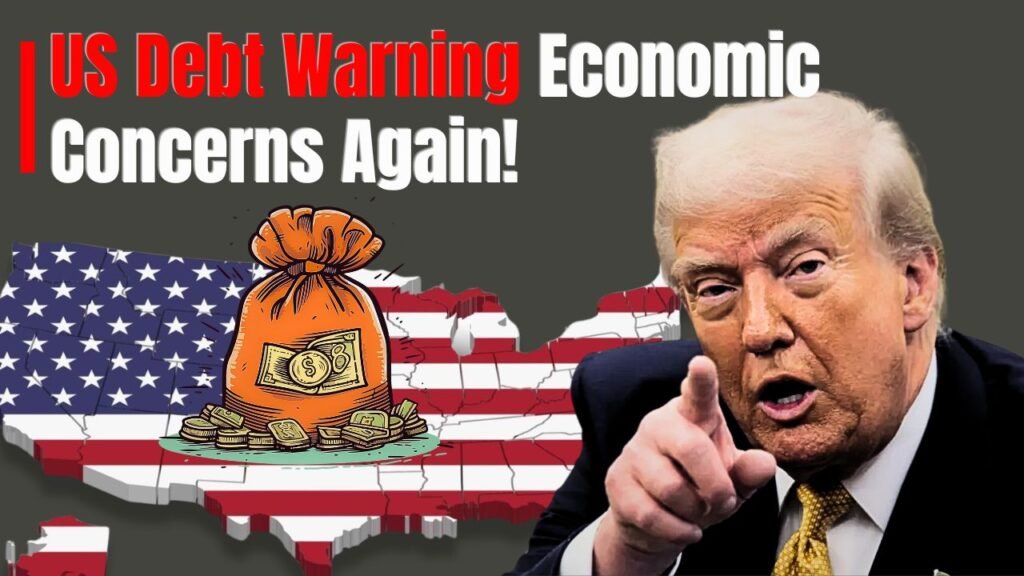
US Debt Warning : Once again, new concerns about the growing debt burden in the United States are drawing the gaze of investors, economists and global institutions. Financial markets have been gripped by worry over more government borrowing, more interest payments and political fights about spending. Analysts believe the issue is no longer just the numbers on paper, but how long the world’s strongest economy can continue to absorb historic quantities of debt without major consequences. The alert comes amid ongoing inflation problems, high interest rates and faltering global growth in a number of places. Everything from government spending to consumer confidence to overseas investment could be affected, finance experts say. Washington’s budget process is making markets nervous and there is a lot of anxiety that a cascade of debt fears might sap economic stability and add extra stress to companies, individuals and financial systems globally.

Debt threat warning from U.S government
The latest US debt threat has brought back the discussion about the long-term health of the American economy. Government debt has soared in recent years, driven by significant spending in economic crises. Economists believe if debt keeps growing faster than the economy, the government could face tougher financial decisions down the road. Credit rating agencies and market observers are concerned about the political conflicts that too often emerge over approving budgets and capping debt. These trends have fueled concerns that market confidence could be eroded if borrowing levels are not brought under control by policy authorities. Many experts worry that the increasing debt burden could eventually sap economic growth, federal programmes and the country’s ability to respond to future financial calamities.

More pain from rising borrowing prices
One of the biggest worries about the debt situation is that borrowing is getting more expensive. Interest rates have spiked in the last couple of years as the Federal Reserve tries to rein in inflation. And these higher rates imply the government is paying a lot more in interest than it used to.

- The interest on the national debt is piling up fast.
- Higher borrowing costs mean less room to spend for the government in the future.
- Investors are asking for higher returns on Treasury bonds.
- Large debt repayments may limit investment in infrastructure and social services.
- Financial experts are worried by long-term imbalances in the budget.
That’s a terrible place for policymakers with high debt and expensive borrowing, economists say. If rates remain high for a long period, debt service costs could continue to increase and place more pressure on the national budget.

Sources : Fortune
Market uncertainty heightened by political wrangling
Economic anxieties over US debt have also been fanned by political squabbling in Washington. Lawmakers have had a continuous struggle to come to agreement on spending plans, tax policies and debt ceiling issues. Such confrontations tend to create uncertainty in financial markets worldwide.
- Investors concerned over debt ceiling discussions.
- Economic uncertainty is being caused by fears of a government shutdown.
- Political barriers to financial reform.
- Budget fights create huge swings in the financial markets.
- Investors worldwide are watching U.S. policy moves closely.
Economists fear the ongoing political squabbling might undermine confidence in the country’s finances. Even a brief spell of uncertainty can impact stock markets, bond yields, and international investment flows. Others argue some longer-term budget planning is needed to restore confidence.
The issue is being watched intently by the global markets
The US economy plays a major part in the global financial system, thus debt problems in the US can have knock-on effects in markets around the world. European, Asian and developing market investors are intently watching the budgetary developments in the US.
- For investors around the world, U.S. Treasury bonds remain essential.
- Currency markets buffet debt problems.
- If volatility picks up, emerging markets would be under pressure.
- The growing uncertainty may hurt global economic growth.
Many countries rely on the strength of the US financial system for commerce, investment and currency stability. That means any sign of turmoil over debt or government finances can rapidly infect foreign markets.
Effects May Be Felt by Consumers and Businesses
The growing debt concerns could eventually trickle down to regular Americans as well, the experts suggest. Increased financial pressure on the government can tighten conditions in the economy over time for enterprises and consumers.
- Higher interest rates could mean higher borrowing costs.
- Mortgage and credit-card rates may stay high.
- Business investment may be held back by uncertainty.
- Fiscal worries could be bad for consumers.
- Economic activity may decelerate, putting job growth under pressure.
The US economy has been healthy in some areas but analysts warn of long-term debt problems that could steadily hold back economic growth.
Economists urge long-term fiscal planning
Financial analysts say this predicament emphasises the need for long-term budget reform. Economists said sustainable budgeting, limited spending and balanced tax policies are necessary to avoid future financial threats.
- The experts prefer careful budgeting in the long run.
- You still need economic progress to service your debt.
- But fiscal policies can also assist to stabilise borrowing.
- Investors want clearer long-term financial planning.
Some analysts say the situation is not going to be fixed anytime soon with healthcare, defence and social security expenditures rising.
Final Thought
The latest warning on US debt has put economic stability back in the centre of global financial debate. But soaring borrowing costs, political uncertainty and mounting government debt continue to concern economists and investors throughout the world. While the U.S. economy is still one of the world’s strongest, analysts say long-term financial discipline will be needed to avoid such problems in the future. Markets are expected to react strongly to government policy decisions, interest rate adjustments and fiscal debates in Washington.
