
Raizen Signs Huge $13 Billion Debt Deal

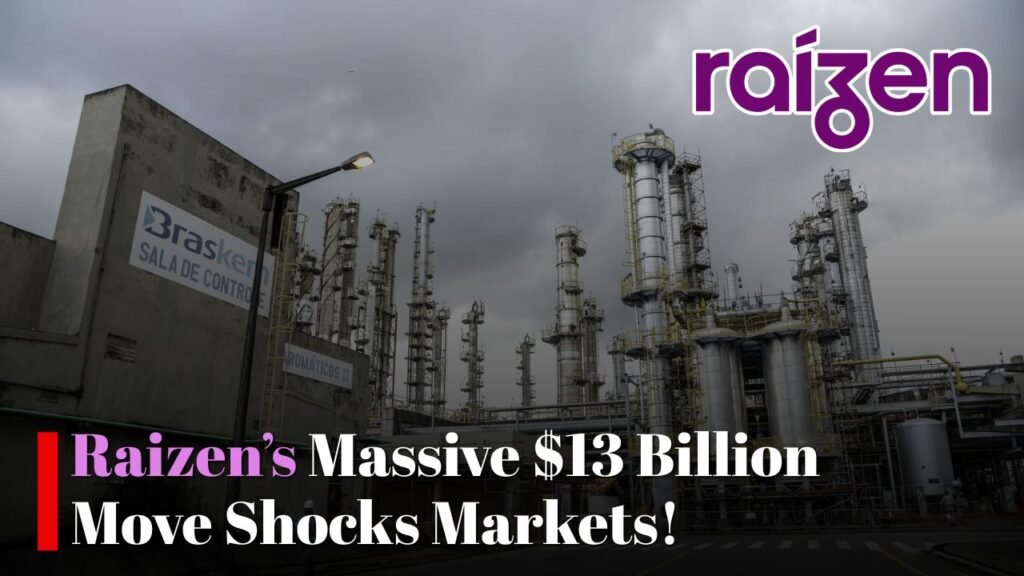
Raizen Signs Huge $13 Billion Debt Deal : Brazilian energy company Raizen is in the spotlight after agreeing a $13bn financing transaction to improve its financials and fund future operations. The deal comes as global energy companies face changing demand for fuel, higher borrowing costs and increased pressure to invest in cleaner energy programmes. Market analysts say the deal might enable the firm to handle liabilities more efficiently while maintaining investments in fuel distribution, ethanol manufacturing and renewable energy programmes. The purchase also points to growing lender confidence in large-scale energy companies in Latin America. Raízen has deep roots in Brazil’s sugar and ethanol business and continues to be a leading supplier of domestic fuel and a key player in global biofuels. Now investors will look to see if the company can do enough to balance its debt obligations with its ambition to grow in a highly competitive energy sector.

Raizen closes $13 billion loan transaction
The Hot subject in financial markets as investors are examining the impact of the company’s latest financing strategy. The debt pact seeks to increase funds, refinance existing loans, and provide flexibility to take on long-term initiatives. Raizen has been growing its presence in the renewable energy sector, primarily ethanol and bioenergy, where access to large-scale investment is becoming increasingly important.

Financial experts say the deal might also help the firm ride out economic cycles and continue to invest in infrastructure and petroleum operations. Energy companies generally use big packages of debt to stabilise operations and to position themselves for future growth opportunities. The financial activities of Raizen will be closely scrutinised by the market in the coming months as discussions on the energy transition gain momentum around the world.

$1.2 Billion Financing Move Market Notices
Strategic transformations in the energy industry are typically defined by big financial deals, and Raizen’s latest step is no different. Analysts say the firm is building the framework for future expansion while setting itself up to be financially sound. The size of the debt package was immediately among the largest corporate financing arrangements in the region this year.

Sources : Bloomberg
The firm is also involved in large infrastructure spending to support transportation of fuels, refining, storage and renewable fuel production. Raizen is supported by large-scale investments allowing more freedom to deal with operational costs and keep objectives without limiting commercial activity. Market participants said the lender activity is a vote of confidence in the company’s long-term business model.
Renewables Investment Continues to be a Priority
Raizen has been steadily scaling up its renewable energy and biofuel production initiatives in recent years. Brazil remains one of the world’s largest producers of ethanol and the firm has risen to become a prominent participant in that industry. The present debt arrangement could support investments in cleaner fuel technologies and energy transition aspirations.
As the world’s need for renewable fuel options continues to expand, governments and industries are seeking ways to reduce carbon emissions. The ethanol and bioenergy projects require continuous investments in production facilities, logistics and technology upgrades. “This kind of financial backing provides Raizen with an extra level of flexibility to pursue these opportunities and stay competitive in international markets.”
Industry analysts think biofuels will remain a major element of the transportation energy mix in the next decade. Companies with adequate access to funding may benefit from the growth of the business and from increasing environmental standards around the world.
Economic Environment Influencing Corporate Debt Strategies
As global rates climb and economic uncertainty looms, many firms across the energy industry are altering their financing approach. Increasingly companies are electing to refinance debt to reduce financial strain and handle cash flow. Raizen’s deal appears to fit well into that bigger trend.
Debt negotiations sometimes involve companies negotiating to extend the repayment schedule, cut the rate of borrowing or combine a number of commitments into a more manageable package. It is important that major industrial enterprises have a stable source of capital so that they may continue to operate and plan for the future.
Energy-related lending continues to attract substantial interest from financial institutions, particularly from diversified firms with long-term growth prospects. Raizen’s blend of its legacy petroleum industry with renewable energy ventures probably helped boost the lender’s conviction.
Raizen Investors Look at Growth Plans
Investors will probably be looking at how Raizen distributes the proceeds and manages future expansion plans after the announcement. More data about the structure of the company’s debt, its investment plans and its operational strategy may be available in the company’s next financial reports.
Market investors want to know how much of the money is going to renewable projects vs regular petroleum operations. As energy use changes globally, the relative balance between these sectors may provide an indication of where the company will be in the long-term market.
Analysts will continue focusing on Raizen’s ability to generate profit even with the management of large financial commitments. A strong result may lift the confidence of investors, but operational concerns could add to the strain in a highly competitive energy market.
Energy Sector Continues Rapid Transformation
The larger energy industry is undergoing massive changes as firms respond to shifting customer demand, environmental constraints and new technology. More and more companies that sell both conventional fuels and renewable energy are trying to balance short-term profitability with long-term environmental goals.
Raizen’s latest debt deal exemplifies how big companies are using financial instruments to stay nimble in this era of transformation. For companies that want to grow infrastructure, increase production capacity and take market share, capital has become vital.
These financial considerations might be key in determining which firms are best placed to grow in the future as global energy markets continue to change. Raizen’s next movements will be closely watched by investors, industry analysts and financial institutions.
