
Average 30-Year Mortgage Rate Rises to 6.53%

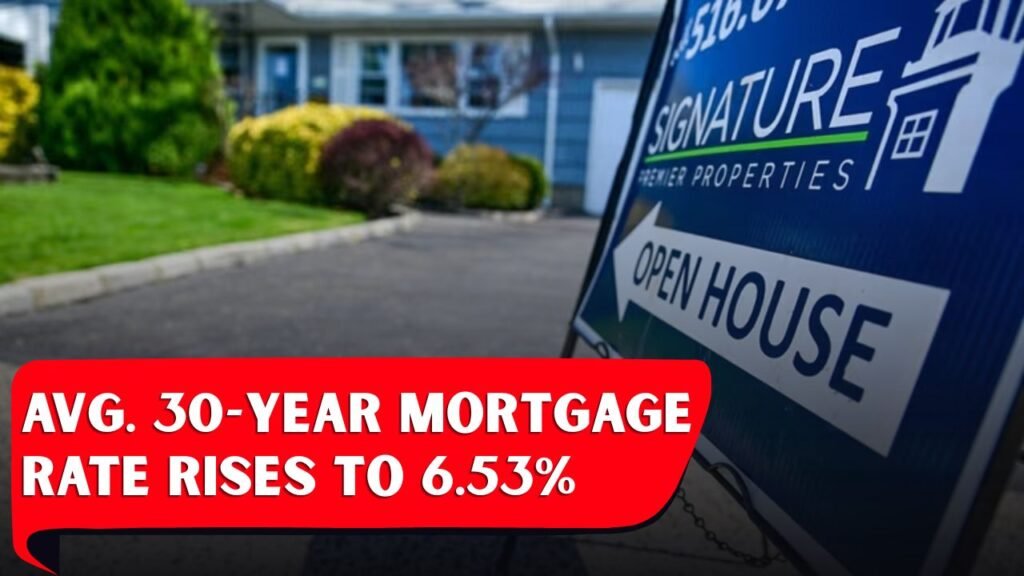
30-Year Mortgage Rate Rises to 6.53% : Higher borrowing costs are still weighing on the U.S. housing market, making things more difficult for potential homebuyers and homeowners trying to refinance. Mortgage rates have followed wider economic developments, particularly inflation and the Federal Reserve’s policy actions. As affordability issues mount, many purchasers are re-evaluating their plans or delaying purchases. The recent shift in long term mortgage pricing reflects the persistent volatility in the financial markets. Demand for homes hasn’t crashed but is showing indications of softening in certain places. This transformation is creating new expectations for buyers and sellers as they negotiate a more costly lending market and its impact on monthly budgets and long term financial planning.

US mortgage rates are on the rise impacting the property market
Average 30-Year Mortgage Rate Hits 6.53% Is a Major Turning Point for U.S. Housing and Lending. The surge underscores how mortgage pricing is still quite susceptible to economic cues such as inflation statistics and Treasury bond yields. Even a few points more in the rate can make a big difference in what borrowers pay each month throughout the 30 years of the loan. That’s why affordability is getting worse, especially for first-time buyers already facing high prices for homes. Lenders are also noticing shifts in demand patterns, with families applying for fewer refinancing applications and making more cautious borrowing decisions when it comes to evaluating long-term commitments.

Why mortgage rates are going up despite inflation
The increase in mortgage rates is mostly attributable to shifts in inflation expectations and financial market conditions. If inflation is above goal levels investors want greater returns for long term bonds and this impacts mortgage pricing. The 10-year Treasury yield, a benchmark for house loans, has been under rising pressure in recent sessions. Simultaneously, the Federal Reserve’s cautious approach towards rate decreases has contributed to a murky lending climate. Mortgage rates are also set based on risk and market demand, which tends to fluctuate when the economic signs are conflicting. Together, these variables are increasing borrowing prices, which will make house loans more expensive for customers across income levels.

Sources : Yahoo Finances
 Nvidia and SK Group Launch $500 Billion AI Data Centre Partnership to Expand Global Infrastructure
The impact on property buyers and their monthly payments
Rising mortgage rates are feeding through to monthly housing expenditures. Depending on the amount of the loan, even a minor percentage rise can add hundreds of dollars to monthly payments for a typical 30-year loan. This has taken a toll on many buyers’ buying power and has forced them to choose smaller homes or different areas. First time purchasers are particularly hard hit as they frequently have very little room for manoeuvre in their budgets. The change is helping decrease bidding activity and multiple-offer situations in competitive property markets.
How rising rates are impacting the housing market
The property market is reacting to increased rates with slower activity and more pricing methods from sellers. Homes are sitting on the market longer than in recent years in many areas, giving buyers a little more negotiation leverage. Builders are also adjusting by giving incentives such as rate buydowns or closing cost help to encourage demand. But overall supply is still constrained in a number of big metro areas, keeping prices from cratering. Instead the market is beginning to stabilise rather than fall. It’s a real estate environment that’s more tempered, less aggressive, and influenced by this balance of supply being limited and demand being lower.
Mortgage refinance activity drops as mortgage rates climb
Refinancing has slowed dramatically since current mortgage rates are greater than the many existing house loan rates held by homeowners. Most of the borrowers who took out loans during the low-rate period are unlikely to refinance unless they are in severe financial need. Higher borrowing costs have also made cash-out refinancing less viable. Lenders said they are receiving fewer applications, as expected across the industry. “If you’re a homeowner looking at refinancing, you need to consider the longer-term savings vs. the upfront costs. It’s often more financially sensible to stick with an existing loan than to get a new mortgage at a higher rate.
The future of mortgage rates and housing market stability
Looking ahead, mortgage rates will likely remain vulnerable to inflation data and Federal Reserve action. If inflation continues to fall, there may be some leeway for a mild stabilisation or mild decreases in borrowing costs.” But any upside surprise in the economy or policy tightening might see rates higher for longer. Buyers are likely to acclimatise to the new affordability situation, keeping demand for housing subdued. Market investors will remain highly attuned to economic indicators for clues as to what is ahead. While a faster reduction in mortgage rates is not expected in the near term, a stable climate in the larger economy could help foster more predictability for both buyers and lenders.
