
Disney Launches New Creative Agency Main Street

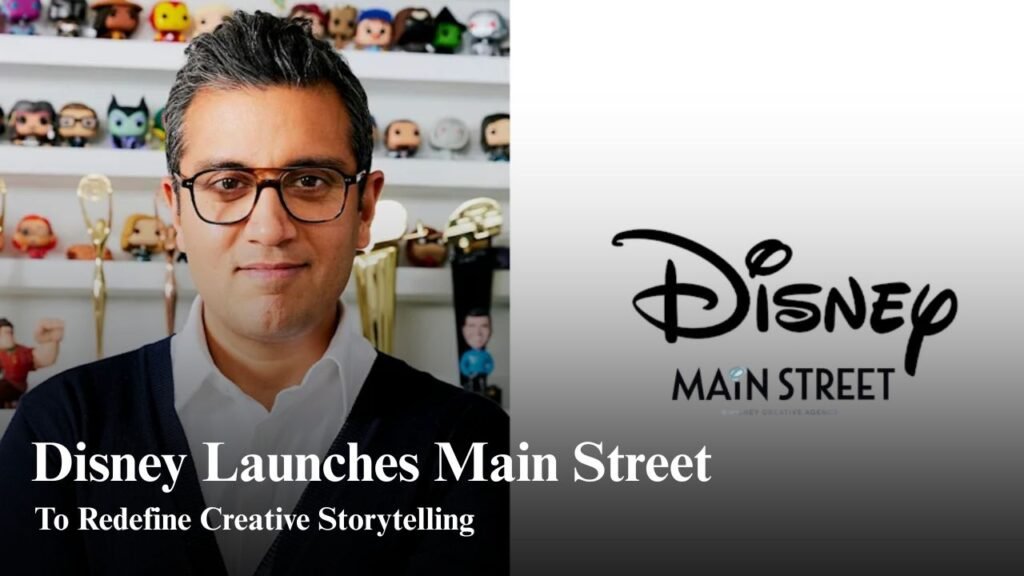
Disney Mainstreet: Disney has always been about more than movies, parks, cruises, games or merchandise. It sells a feeling: every character and screen is part of one larger world. Disney is trying to tap into that feeling through Main Street, its first company-wide creative agency. The agency is led by Carrie Brzezinski-Hsu, which might seem like just another corporate restructuring but could be a key behind-the-scenes move because marketing determines how fans find stories.
 Adult Swim Renews Rick and Morty Spinoff President Curtis for Season 2 Ahead of Its Series Premiere
Why Disney Main Street Agency Comes at a Critical Time
Main Street is here as entertainment companies vie for attention on screens, social feeds, stadiums, stores and real-world experiences. Disney doesn’t market a movie anymore with just trailers, or a park with just travel ads. One franchise can hit theatres, Disney+, Hulu, ESPN, products, cruises, games and theme parks all in one cycle. That creates opportunity but risks mixed messages. Main Street aims to close that gap, offering marketers one place to work together.

That’s a clever name. Main Street, U.S.A. is the friendly street just outside most Disney park entrances, a place of possibilities upon arrival. In applying it to a company-wide agency, Disney is making a statement that marketing should be a front door to its universe.

The Quiet Merger Behind Main Street Fans May Notice
The agency merges the former in-house creative teams at Disney like Yellow Shoes, which worked on Disney Parks and the Disney Cruise Line, and The Hive, which supported film and television marketing. These teams already knew different parts of the company. If a Marvel campaign brought them closer, it could speak naturally to parks, or a cruise message could borrow emotion from entertainment storytelling. It could also help Disney avoid duplicative efforts, and ensure consistency when launches compete for attention.
 Blade Runner 2099 Unveils First Trailer Featuring Hunter Schafer in Amazon’s New Sci Fi Series
Main Street here is more than an internal scorecard. But a central agency can’t erase Disney’s many rhythms. It can make them easier to translate. Fans may just feel that if the model works, campaigns are warmer, faster and more seamless.
How One Creative Hub Can Change Disney Campaigns
The best case for Main Street is that Disney’s biggest stories need campaign language that can go anywhere. A sports audience watching ESPN, a family planning a vacation, a teen scrolling for a series and a collector waiting for merchandise may all be responding to the same brand world, but not in the same way. The agency has to respect each of those differences and give each campaign a recognisable Disney heartbeat.
Here’s where the change might be most easily found:
There could be more coordination across launch campaigns between trailers, park tie-ins, merchandise drops and streaming promotions.
Teams can share resources and generate creative assets faster rather than reinventing ideas independently.
Fan journeys could seem more purposeful, leading audiences from awareness to experience but not losing the emotion.
That doesn’t mean that every campaign will be flawless. Centralisation can bog down decisions when too many leaders want a say. The test is whether Main Street offers artists and marketers more liberty, or more permissions. Disney’s advantage has always been emotional craft. If the agency protects that craft, it may become a power.
Why Carrie Brzezinski-Hsu’s Role Is Most Important
Why does this position matter? Main Street needs someone who can manage creativity and execution. She will oversee talent and production on major campaigns and continue to lead ESPN’s Creative Studio. ESPN is fast , live , and always responding to the audience . Disney entertainment is often about anticipation . A leader who understands both rhythms can help Disney make more responsive campaigns without losing polish.
The launch context is also provided by Asad Ayaz’s broader enterprise marketing structure. Disney is transforming marketing from a finishing department into a more strategic layer of brand, data, media, partnerships and consumer insight. That is the way the audience behaves today. People don’t distinguish Disney. They come through whatever door is nearest: a trailer, a game, a ride, a meme, a jersey, a toy, a family trip.
What Disney Has to Get Right for Main Street to Matter
Disney will need more than a recognisable name and clean structure if Main Street is to be a success. It’ll require trust between teams that once worked in silos. It will take courage to make campaigns feel concrete, not just cohesive. The best Disney marketing has known mood: wonder for animation, adrenaline for sports, awe for parks, comfort for classics, and surprise for new franchises.
Two priorities should determine whether the agency becomes a real creative advantage:
- Protect the unique voice of each Disney business while making the bigger brand feel connected.
- Use shared resources to inspire originality, not just as a shortcut or a safe formula.
The danger is that a big agency could crush smaller teams. The opportunity is it might help those teams borrow strength from each other. A Pixar message shouldn’t sound like an ESPN promo. A Disney Parks campaign shouldn’t feel like a generic movie launch. But each can still bear care, imagination and respect for the audience.
Will Disney Be Magical or Managed for Main Street?
Main Street will probably never be a household name like Marvel, Pixar or Disneyland. Its success will be more subtle, judged by more understandable campaigns, more natural connecting experiences and fans moving from one Disney world to another without friction. The launch shows that Disney knows that storytelling is not just a screen thing anymore. It lives in marketing, design, timing, and every little invitation to tell audiences where to go next. If Main Street humanises those invitations, Disney may have built a new front door for its future.
