
Chris Brown Settles Lawsuit Over Music Royalties

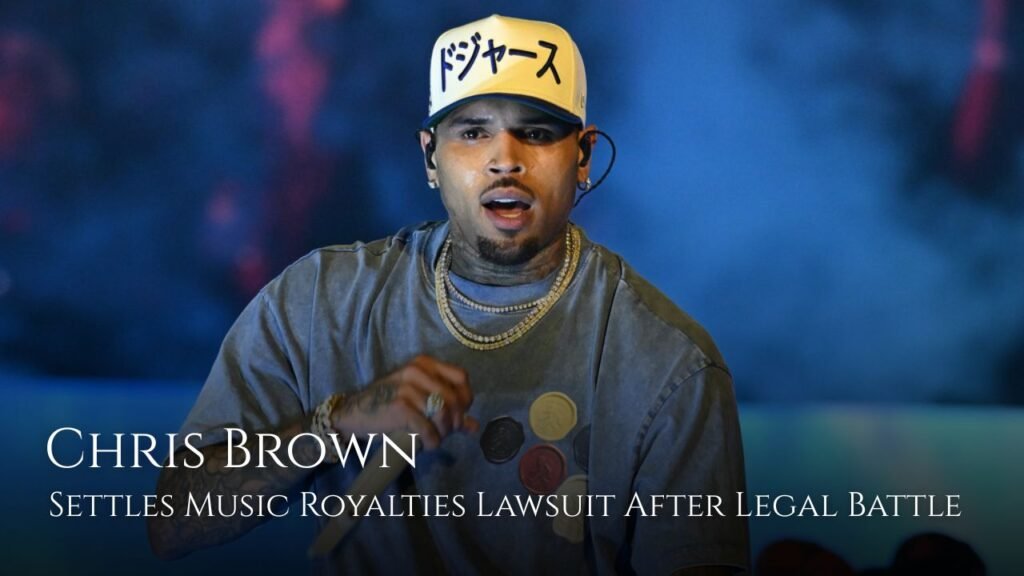
Chris Brown: has reportedly settled a music royalty lawsuit connected to the songs “Sensational” and “Monalisa,” closing a chapter that pushed songwriting credit, publishing income, and studio agreements into public attention. The case drew interest because it was about more than a famous catalog; it showed how collaborations are built, recorded, registered, and monetized after success. For fans, it may look like another celebrity update. For writers and publishers, it is a reminder that private studio lines can carry commercial weight.
 Adult Swim Renews Rick and Morty Spinoff President Curtis for Season 2 Ahead of Its Series Premiere
The dispute was brought by songwriter Steve Chokpelle, who alleged that he contributed lyrics to both tracks but did not receive the credit and compensation he believed were owed. Brown, Sean Kingston, Sony Music Entertainment, and Universal Music Publishing Group were named in reports about the complaint. While the settlement appears to end the fight, the terms have not been shared publicly, leaving key questions unanswered: who receives what, how credits are handled, and whether any future royalties will be redirected.

Why the “Sensational” and “Monalisa” Royalty Dispute Kept Pulling Fans In
The lawsuit caught attention because both songs sat at the meeting point of R&B, Afrobeats, and global streaming culture. “Monalisa,” known widely through its Lojay and Sarz connection, gained international traction, while “Sensational” became a standout from Brown’s 11:11 era. When a song moves across borders and platforms, its royalty chain becomes more complex. Writers may earn through publishing, labels may collect master income, and featured artists can benefit from performance and promotional value. That complexity creates confusion when early contributions are informal.

At the heart of the case was a familiar music business question: when does a studio contribution become legally protected authorship? Not every suggestion becomes ownership, but original lyrics, melodies, or compositional work matter if used in the release. That is why split sheets, emails, demos, and registrations become hidden evidence behind a public hit.
 Blade Runner 2099 Unveils First Trailer Featuring Hunter Schafer in Amazon’s New Sci Fi Series
| Key Area | What Was Publicly Discussed | Why It Matters |
|---|---|---|
| Song Credits | Chokpelle claimed he contributed to “Sensational” and “Monalisa.” | Credit can affect reputation, publishing splits, and future opportunities. |
| Royalties | The complaint focused on alleged unpaid publishing compensation. | Successful songs can keep generating income for years. |
| Settlement | The matter has reportedly been resolved privately. | Private deals can close lawsuits without revealing exact terms. |
What the Private Settlement Reveals About Song Credits
A settlement of a lawsuit is not an admission of guilt on all counts, and it doesn’t necessarily mean that the parties agree on everything. It’s not uncommon in entertainment litigation for parties to settle because litigation is costly and unpredictable. For a major artist, quiet resolution can protect momentum. For a songwriter, it can offer faster closure. Still, the silence creates suspense because royalty disputes are rarely about one payment. They are about recognition.
Before the next wave of speculation, these points are important to keep in mind:
- A private settlement can include money, credit adjustments, royalty participation, or none of those publicly confirmed elements.
- Settling a case is not the same as a court ruling, because no judge has publicly decided the full authorship question.
- The lack of disclosed terms means readers should avoid assuming exact figures or permanent credit changes.
This distinction matters because celebrity headlines often move faster than legal reality. A phrase like “settles lawsuit” can sound final and dramatic, but the real outcome may be technical, confidential, and limited to the people involved. What is clear is that the case has pushed the conversation back toward writers whose work may be invisible to casual listeners but essential to the sound of a hit.
The Royalty Trail Still Matters for Artists and Publishers
The music industry has changed, yet royalty disputes keep returning because the basic pressure remains the same: everyone wants a fair share after a record wins attention. Streaming, radio play, sync licenses, collections, and publishing databases all depend on accurate information. When one name is missing or one percentage is disputed, money can sit unpaid or become locked in conflict.
For younger creators watching the Brown case, the lesson is practical rather than glamorous:
- Confirm songwriting splits before a track is released, not after it becomes popular.
- Make sure credits match across distributors, publishers, collection societies, and copyright records.
These steps may sound boring beside a studio session, but they protect people who build songs before the public hears them. A single chorus, bridge, or lyrical idea can travel from a small room to radio, playlists, and arenas. If the paperwork does not travel with it, the success story can turn into a courtroom story.
How This Moment Could Affect Chris Brown’s Public Narrative
For Chris Brown, the settlement arrives while his career remains commercially powerful and constantly scrutinized. His fan base is loyal, his catalog continues to perform, and his collaborations still attract attention across genres. At the same time, any legal headline adds another layer to a public image already shaped by controversy, comeback, and debate. This royalty matter is different from personal misconduct stories because it centers on business, ownership, and creative labor, but it still influences how people discuss the machine behind his music.
The bigger story is not whether one settlement will change Brown’s career overnight. It is whether high-profile disputes like this make the industry more careful. When superstar releases involve many writers, producers, featured acts, labels, and publishers, credit systems must be strong enough to handle success before success arrives. Otherwise, the people who helped create the moment may be forced to fight for a place in its history.
Final Take: A Quiet Ending, But Not a Small Story
Chris Brown’s reported settlement over “Sensational” and “Monalisa” may close the lawsuit, but it does not erase the larger questions it raised. Who gets the credit, who gets paid, who gets remembered are central questions in modern music. Sometimes the quietest deals can tell the loudest story: credit is currency behind every hit song, and clarity is protection.
