
San Andreas fault reaches highest stress level in 1000 years new study warns

Why is the San Andreas Fault in the news now?
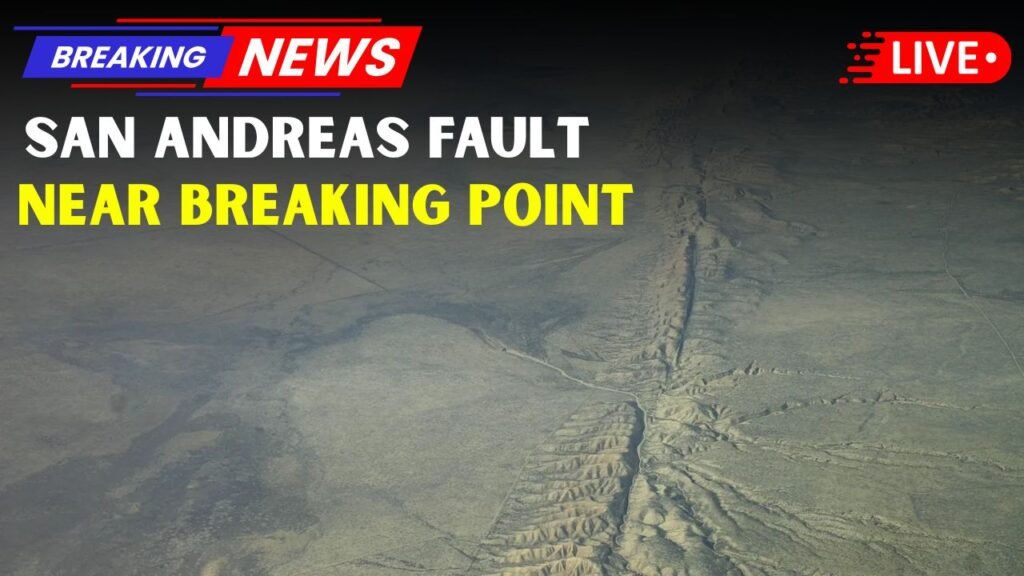
The San Andreas Fault is back in the news as researchers say tectonic stress has been building along major fault stretches. This stress builds up as huge chunks of the Earth’s crust crawl along and get stuck. Over time the pressure builds up and may eventually be released in an earthquake.

- It’s a study about earthquake risk in Southern California.
- It looks at the San Andreas and San Jacinto fault systems.
- Studies researched the accumulation of chronic stress.
- The findings indicate a substantial risk, not a confirmed forecast.
The New 1000-Year Earthquake Study Results
Scientists simulated about 1,000 years of earthquake activity using a physics-based model. They used geological evidence such as offset sediments, carbon dating, tree-ring evidence and rupture history. They ran this earthquake history forward to estimate how much stress might be on fault sections today.

Can Two Big Faults Rupture at Once?
But one of the most disturbing parts of the study is Cajon Pass, a complicated fault junction north-east of Los Angeles. This zone may act as an “earthquake gate” that sometimes prevents a rupture or facilitates its transition from one fault system to another, creating a larger earthquake scenario.

- Cajon Pass links up major fault sections.
- A rupture may be confined to a single fault.
- Under some conditions of stress it might cross into another fault.
- Joint rupture can be over a much larger region.
Does This Signal an Imminent Big Earthquake?
The study should not be regarded as a countdown to an earthquake. Scientists can’t tell exactly when, where or even if a big quake will strike. What they can do is pick up stress patterns and high-risk conditions. The research indicates the system is critically stressed and should be taken seriously.
What Are The Most Dangerous Places?
A significant break on the San Andreas and San Jacinto faults could impact heavily populated parts of Southern California that are rich in infrastructure. Potentially serious shaking, disruption of transportation, damage to utilities and challenges to emergency response include Los Angeles, San Bernardino, Riverside and the Coachella Valley.
- Strong shaking was felt in greater Los Angeles.
- San Bernardino and Riverside could take a direct hit.
- Major highways and rail corridors may be affected.
- Energy and water infrastructure may require better planning.
- Risk strategies for emergency services need to be updated.
What’s so dangerous about tectonic stress?
Tectonic stress is dangerous because energy builds up over large locked fault surfaces. The stress number appears small, but the affected area of rock can extend for many kilometres and go deep into the crust. When locked sections finally slip, the released energy can cause damaging and powerful earthquakes.
What can California do to prepare for this earthquake threat?
This study should make us prepare, not panic, if anything. Better hazard maps, emergency kits, public education, good communications systems and stronger buildings can help reduce damages and save lives. “Earthquake risk can never be eliminated, but good planning can make communities safer before the next big one.”
What is the main finding of the study?
The bottom line is that the Southern California fault system may be under greater stress than normal than it has been for the last millennium. That doesn’t mean an earthquake will strike immediately, but it does mean the risk is one to watch. The study provides scientists and planners with better information for reducing future earthquake damage.
