
Flash Flood Warning in Texas Raises Concerns as Heavy Rain Moves In

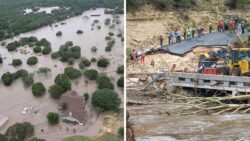
Why is Texas bracing for flash flooding?
Texas is concerned about the threat of successive rainfall that can quickly flood roads, drainage systems and low-lying areas. Heavy rain on wet ground means water runs off faster and rises suddenly. That’s what makes flash flooding so dangerous, particularly in areas where creeks, rivers and city streets can fill up in a matter of minutes.
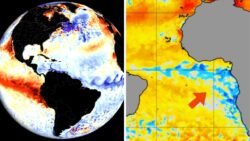 Rare Atlantic Niña Is Emerging During a Super El Niño and Experts Explain What It Could Mean
- Heavy rains can produce storms quickly.
- Low-water crossings are treacherous without warning.
What are the most exposed areas?
The biggest threat often lurks in low-lying suburbs, flood-prone roads, creek beds and areas of poor drainage. Much of central and South Texas is prone to fast-rising water in strong storms. When the rain begins to fall harder, drivers, homeowners and those who live near streams should be extra careful.

How dangerous are flash floods?
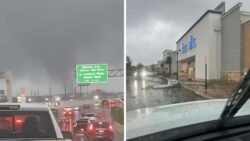
Flash floods can be very dangerous because they can occur with little or no warning and can move very fast. Water can look shallow but it could be hiding washed out pavement, debris or deep channels. The National Weather Service says “Floodwater can become life threatening quickly whether you are driving or walking into it.
- You lose your foot in swift running water.
- Water can wash cars away.
- Damage to roads or debris can be covered by floodwater.
- Night-time floods are harder to see and avoid.
- Storms can delay emergency response.
Why Should Drivers Avoid Flooded Roads?
Roads are flooded and drivers are advised not to drive through floodwaters as it is hard to tell the depth of the water while you’re in the vehicle. Some roads may look drivable, but the current can easily sweep vehicles off the road. Most flood deaths occur in vehicles and so safety officials often repeat the message “Turn Around, Don’t Drown.”
What Should Residents Do During a Warning?
“When you get a flash flood warning you don’t wait to see if it gets worse or not. You are good to go. You can reduce your risk by moving to higher ground, checking trusted alerts, and staying away from floodwater. Families should also charge their cell phones and stock up on basic emergency supplies ahead of worsening storms.
- If you are in a flood prone area, get to higher ground.
- Do not wade, swim or drive in floodwater.
- Follow local emergency alerts and road closures.
- Have water, medicine and flashlights close at hand.
- Check on elderly neighbours when safe to do so.
Can Flooding Damage Property and Homes?
Flooding can destroy homes, cars, yards and public infrastructure within hours. Water that penetrates homes can damage flooring, electrical systems, furniture and personal belongings. Even minor floods can mean mud, mould and clean-up costs for homeowners and renters so it’s important to plan ahead.
- Remove valuables from garages, from the floor.
- Clear gutters and drains before a big rain.
- Do not park your car in flood-prone areas
- Store important documents in waterproof storage boxes.
What Makes Texas Flooding So Sudden?
Texas flooding can happen quick because storms can drop a lot of rain in a very short time in a small space. There is also lots of low water crossings, creeks and quick draining ground in the state. The rain falls faster than the ground and drainage systems can absorb it. Water levels rise quickly.
What should families do before storms?
A simple emergency plan can help families prepare ahead of the storms. It is important that everyone knows where to go, how to get alerts and what to do if roads are flooded. This is really important for families with kids, seniors, pets or medical needs to prepare for severe weather.
- Get a weather app for your mobile phone
- Put together an emergency kit with the basics.
- Know alternative routes outside of flood zones.
- Bring Children & Pets Inside During Storms.
- Share your family’s evacuation plans.
If you are under a flash flood warning, take it seriously and stay away from all flooded areas. Heavy rain can come in quickly and you may get stuck if you wait too long. “Staying informed, getting to higher ground and never driving through floodwaters can save lives.
