
Chicago Weather Could Change Fast After Temperatures Reach 90°

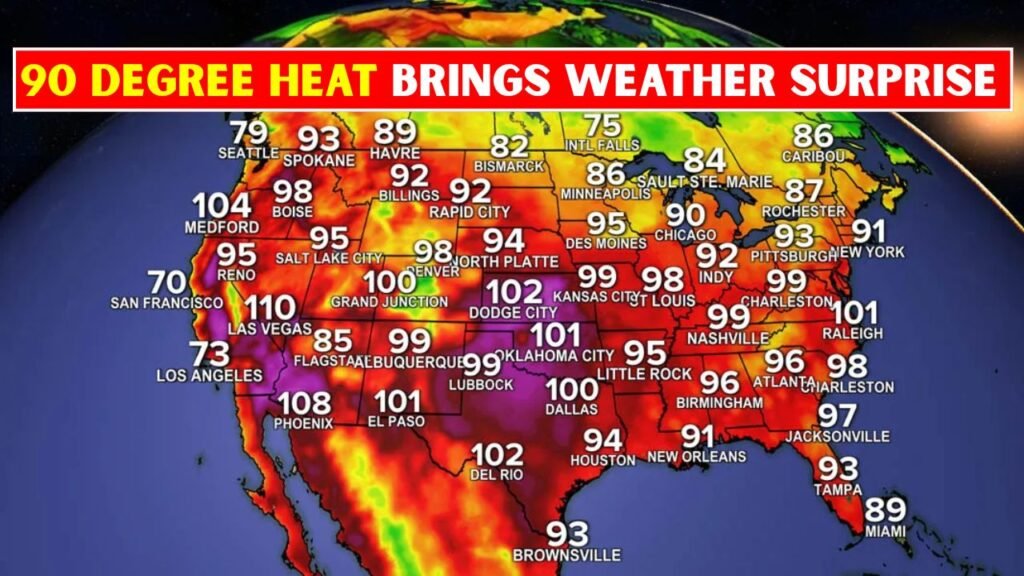

Why does the weather in Chicago change so fast?
Much of Chicago’s wide swing in temperature is due to its proximity to Lake Michigan. Warmer air from inland can push temperatures higher, while cooler air from the lake can push into neighbourhoods near the shore. The difference between hot and cool air can quickly create clouds, wind shifts and storms when a front arrives.

- Lake Michigan can cool shoreline areas quickly.
- Cold fronts can come in after hot afternoons.
- With more moisture storms can be stronger.
- Local temperatures are often changed with wind direction.
- Downtown and suburbs may experience different conditions.
Will Chicago Experience Prolonged 90-Degree Heat?
Just because Chicago hits 90 does not mean a long heat wave is on the way. Sometimes the hot air builds for a day, then a front moves through. If clouds move in or winds turn off the lake temps can drop quickly making the next day seem much cooler than expected.

What Occurs Once Temperatures Hit 90?
If the moisture increases, then the atmosphere becomes unstable in Chicago after 90 degrees. It can produce rapidly changing skies with scattered thunderstorms and gusty winds. Local forecasts are extremely important because during non-widespread storms, some neighbourhoods could get pounded while others receive no rain at all.
 Hurricane Fausto Peaks in Pacific as Tropical Storm Genevieve Strengthens Toward Major Storm
- There is a chance of storms later in the evening.
- Heat can help a cloud to become stronger.
- Expect a few places to get a little rain.
- Lightning can form with little or no warning.
- There may be cooler air behind the storms.
Could Lake Michigan cause a sudden cool down?
Yes, Lake Michigan can change Chicago’s weather pattern quickly. A lake breeze closer to the beaches and downtown can bring in cooler air from the lake. Inland suburbs can remain hot but neighbourhoods close to the lake can cool off several degrees in a short period of time, creating sharp local differences.
Is There Thunderstorms After The Heat?
Thunderstorms are more likely with hot air and moisture and an approaching weather boundary. After a warm day, we could see some scattered storms in Chicago, especially later in the afternoon or evening. Not everyone will see rain but any storm that develops can bring brief heavy showers, lightning and gusty wind.
- Storms can develop quickly after maximum heating.
- Even an isolated storm can disrupt travel.
- Have a back-up plan for outdoor plans.
- Lightning risk remains a consideration near open areas.
- Motorists should be alert for sudden wet roads.
How to prepare for rapid weather change as a resident?
Chicagoans need to be ready for heat and sudden change.” Light clothing, water and shade help during the hottest hours. But it also helps to keep an umbrella handy and watch the alerts.” Weather apps and local updates can help people change their plans before a storm or cooler air moves in.
Will the humidity make it feel more uncomfortable?
Humidity can make a 90 degree day feel more uncomfortable . Sweat evaporates more slowly . With the increase in moisture, the heat index may feel warmer than the actual temperature. Moist air can also help ignite the development of thunderstorms and that’s why muggy conditions often have a better chance at changing weather.
- Drink water before you get thirsty.
- Avoid extended outdoor activity in the midday sun.
- Check children, elderly and animals.
- If necessary, find air conditioning or a cooling centre.
- Never leave people or animals in a parked car.
Will Travel Be Affected By Changing Weather?
Storms are possible later with the heat, which could impact travel around Chicago. Rain may slow expressways, lightning may delay outdoor events and gusty winds may make driving difficult near open roads. Airport delays are also possible as thunderstorms move across the region during busy travel periods.
What to Expect from the Forecast
Most Important Details to Watch – timing of front, wind direction, humidity levels and storm chances. A small change in any of these can alter the forecast. Conditions may vary between morning and evening so people should check in during the day.
- See the latest hourly forecasts.
- Watch the wind direction around the lakefront.
- Get storm alerts from trusted sources.
- Check out the evening itinerary before you head out.
- When thunder roars, go indoors.
What Is The Bottom Line For Chicago?
When it hits 90 degrees or close to it, Chicago weather can change quickly. The heat can build during the day, but lake breezes, fronts, humidity and storms can quickly change the conditions. Residents are asked to stay flexible, be prepared for heat and continue to monitor the latest forecast throughout the day.
