
Chicago Storms Knock Down Trees and Power Lines

What happened in the Chicago storms?
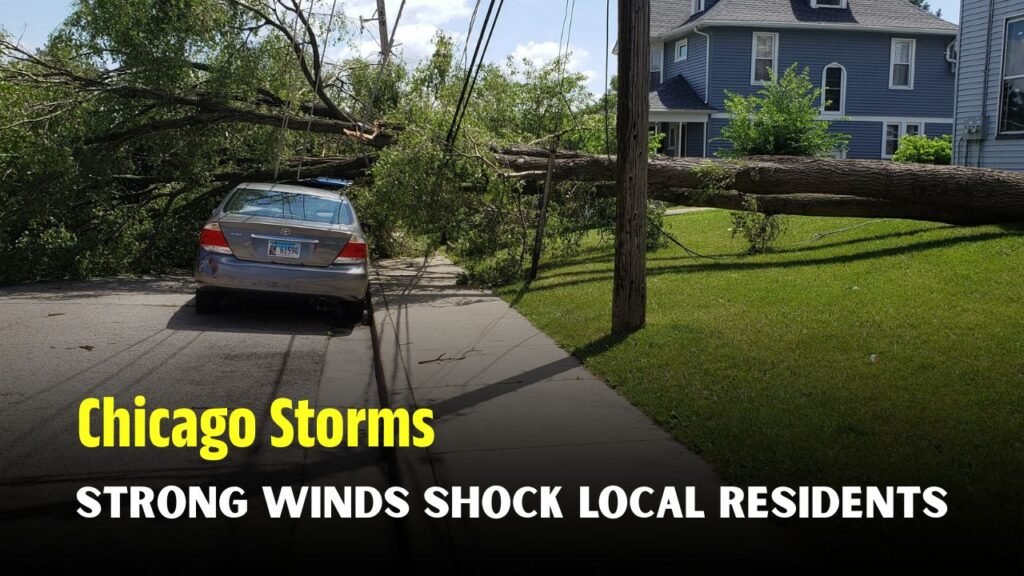
High winds, heavy rains and dangerous lightning tore through the Chicago area in severe storms. Trees, power lines and travel were disrupted across the region by the severe weather. After the storm moved through, emergency crews worked to clear hazards. Many neighbourhoods were left with blocked roads and scattered debris.
So Which Places Took The Biggest Hit?
Damaging winds from severe thunderstorms can snap tree limbs, blow down trees and damage electrical equipment. Roots of trees in moist soil may already be less secure. Fallen trees can then knock down wires near them creating hazardous conditions for residents, motorists and cleanup crews.

- Many tree-lined neighbourhoods were hit hard by branches.
- Some suburban streets were shut down.
- Thousands of customers lost electricity.
- Storms disrupted airport operations as well.
- The main storm system moved away, and the cleanup continued.
How did people handle power failures?
Power cuts have affected homes, businesses and public services. The streets were dark. Power was out. Food in refrigerators spoilt, as did the convenience of air conditioning and medical equipment for residents. Utility crews were working to restore service, but repair times depended on storm damage, safety checks and access to affected locations.
 Hurricane Fausto Peaks in Pacific as Tropical Storm Genevieve Strengthens Toward Major Storm
What to Do if You See Downed Power Lines
Never touch or go near downed power lines. They are extremely dangerous. The wire may appear inactive, but it can be live. Residents are asked to keep a safe distance, warn others in the area and call the utility company or emergency services so that trained crews can safely deal with the situation.
- Never handle or move a fallen wire.
- Stay away from damaged utility equipment.
- If you see a downed power line, do not drive over it.
- Call utility company or 911 for immediate danger.
- Keep children and pets away from storm debris.
What Happened to Chicago Flights?
Chicago airports faced big problems from severe weather. Thunderstorms led to temporary holds on flights, while lightning, wind and low visibility led to delays and cancellations. Airlines waited for safer conditions to resume normal arrivals and departures. Schedule changes affected travellers at O’Hare and Midway.
Will there be worse weather ahead?
Sometimes one strong storm round can leave warm, humid air in its wake, and more severe weather can follow. Forecasts could include elevated chances of damaging winds, hail, heavy rain or brief tornado activity. Residents should continue to monitor for reliable weather advisories and be ready for the next warning.Charge phones, backup batteries early and Keep flashlights handy and within easy reach.
What Steps Can Homeowners Take to Stay Safe After Storm Damage?
After a storm, inspect your property carefully but safely. Broken branches, leaning trees, wet electrical equipment and damaged roofs can all pose hidden dangers. It is safer to take pictures of the damage, call the insurance companies and hire qualified professionals to remove the tree or fix the electrical problem.
So what’s the big lesson from the storms in Chicago?
The storms in Chicago reminded us how quickly severe weather can disrupt life. Within minutes, trees can be down and power lines damaged, causing outages and travel delays. “Residents can protect themselves before, during and after dangerous storms by staying prepared, avoiding electrical hazards and following official safety guidance.
