
New Report Warns Social Security Benefit Cuts Could Begin by 2032 Without Congressional Action

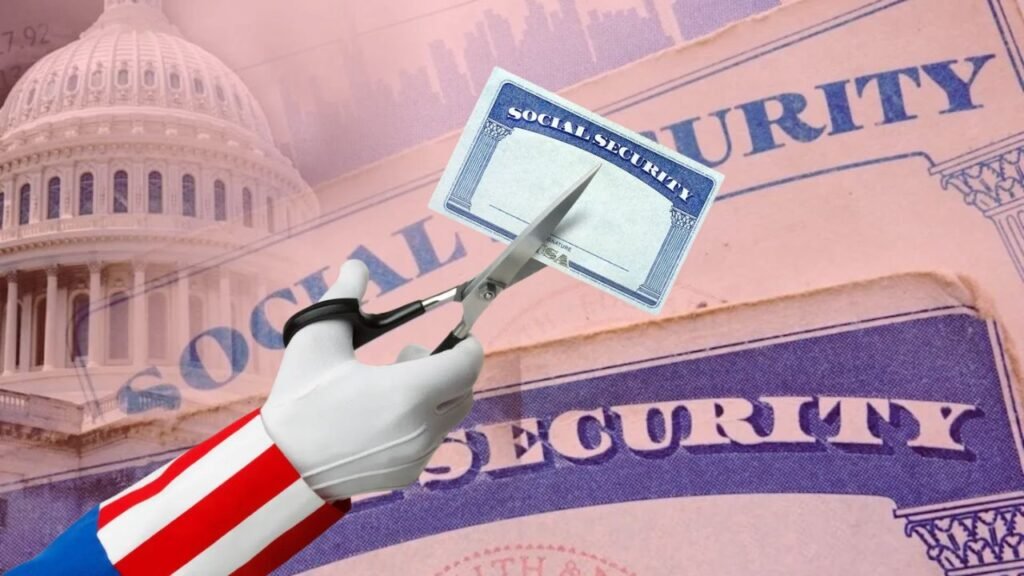
Federal trustees warned that Social Security benefit cuts could be reduced in 2032 if Congress doesn’t make reforms by the end of 2032, and millions of Americans are once again frightened about cuts. Social Security is not going away, but pensioners could get reduced monthly checks if politicians don’t fix a long-term financing shortfall in the programme.
 US Consumer Sentiment Rises to 54.4 in July as Americans Show Growing Confidence in the Economy
Why the 2032 deadline matters
The latest Social Security Trustees Report shows that the Old-Age and Survivors Insurance (OASI) Trust Fund will be exhausted in the fourth quarter of 2032. The programme would still be funded by payroll tax collections, but it would pay just roughly 78% of projected retirement benefits an inevitable decrease of nearly 22% without action by Congress.

Trustees urged Congress to act sooner rather than later, saying modest reforms would give workers and retirees more time to adjust.
 28 Large Cap Stocks Reach New 52 Week Highs as Strong Buying Momentum Continues Across the Market
What’s driving that funding gap?
The current projections take into account a number of long-term demographic and economic trends. More and more baby boomers are retiring. People are living longer, Birthrates are down. Payroll tax revenues have been falling short of the needs of future benefits.

The revision also reflects the financial impact of recent tax changes and lower immigration estimates, which together result in a more rapid depletion date for the trust fund than predicted last year.
Unlike a private pension, Social Security will continue to pay even if the trust fund is empty. But the payouts would be limited to incoming payroll tax receipts until Congress signs off on the changes.
Responses of Markets and Policies
Social Security is not a publicly traded entity, but the disclosure has put more pressure on legislators and retirement policy experts. The PROMISE Act, proposed by a bipartisan group of senators, would establish an independent committee to provide long-term solutions to keep Social Security viable for at least 50 years.
Options being considered include boosting payroll taxes, increasing or eliminating the wage cap for taxable income, changing benefits for future retirees, or a combination of changes.
The Implications for Americans
Those already getting benefits will get the full amount planned if Congress doesn’t act before the predicted financial shortfall.
Financial analysts say workers shouldn’t expect the advantages to disappear entirely. Instead, you might need to contribute more yourself to your retirement accounts to hedge against the possibility that future benefits would be less. Some estimates say the average retiree might lose around $500 a month if automatic cuts are triggered.
What now?
Congress has time to act on legislation that could prevent automatic benefit reduction. In the past, lawmakers have stepped in to make improvements before trust funds ran out, but the negotiations often took years.
And in years to come, we will be talking about how to keep those benefits flowing, while we discover new sources of revenue to ensure Social Security will be there for future generations.
Sources
Reuters
22% benefit cuts, trust fund depletion in 2032, trustees’ new prognosis
Social Security
Official estimates of solvency and call for timely congressional action.
Associated Pres
Bipartisan PROMISE Act, and congressional reform attempts.
CBS News
Roughly $500 monthly benefit loss on average without improvements.
Kiplinger
Impact of retirement savings and planning issues on future beneficiaries.
